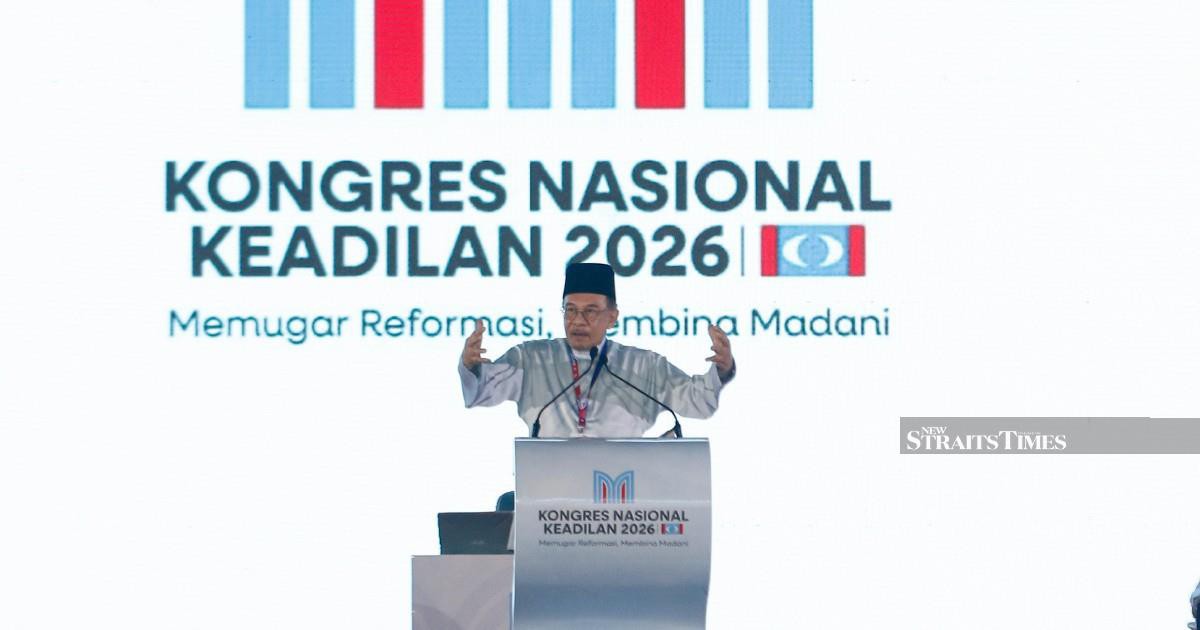
Prime Minister Datuk Seri Anwar Ibrahim has signalled a fundamental restructuring of Malaysia's university governance framework by announcing plans to repeal the Universities and University Colleges Act 1971, commonly referred to as Act 30. The declaration, made at Ayer Keroh, represents one of the most substantial policy shifts affecting the nation's higher education sector in decades, with potential ramifications for institutional autonomy, academic freedom, and the regulatory landscape that has governed Malaysian universities for over five decades.
The 1971 Act has served as the statutory foundation for university administration in Malaysia, establishing the legal parameters within which both public and private higher education institutions operate. Its provisions have traditionally given the government considerable oversight authority over university management, curriculum development, and institutional decision-making. By moving to abolish this foundational legislation, the Prime Minister is signalling a departure from the centralised regulatory model that has characterised Malaysian higher education governance since the post-independence era.
The timing of this announcement carries particular significance in Malaysia's political context. Higher education reform has emerged as a priority for the present administration, with persistent calls from academic circles, student advocates, and international observers for greater institutional autonomy and reduced government interference in university operations. This move appears to respond to those longstanding pressures while simultaneously positioning the government as a modernising force willing to challenge entrenched institutional structures.
The implications for Malaysian universities are potentially far-reaching. Abolishing Act 30 without establishing alternative legislative frameworks could create temporary legal ambiguity regarding institutional authority and accountability mechanisms. Universities will require new governance structures and regulatory guidelines to fill the vacuum left by the Act's repeal, necessitating substantial legislative drafting and consultation with stakeholders including academic staff, student representatives, university administrators, and civil society organisations. The process of developing replacement legislation will prove critical in determining whether the reform strengthens institutional autonomy or introduces new forms of regulation.
For regional higher education competitiveness, this development merits attention. Southeast Asian nations including Singapore and Thailand have reformed their university legislation in recent years to enhance institutional independence and research capacity. Malaysia's move aligns with regional trends toward granting universities greater latitude in strategic decision-making, hiring practices, and research prioritisation. Such reforms often correlate with improved university rankings and enhanced capacity to attract international faculty and research partnerships, factors increasingly important as Asian universities compete globally.
The announcement also touches on matters of academic freedom, a concern that has intermittently troubled Malaysia's higher education sector. Critics have argued that Act 30's provisions, including ministerial powers over institutional leadership appointments and curriculum oversight, have occasionally constrained intellectual inquiry and institutional independence. Removing this legislation could theoretically expand the space for scholarly pursuit and institutional decision-making autonomy, though much depends on the replacement regulatory framework that emerges.
Student communities and academic staff associations have historically advocated for reduced government intervention in university affairs, viewing such autonomy as essential for institutional excellence and intellectual development. The announcement will likely generate considerable interest among these constituencies, though reactions will probably depend on what specific provisions the new legislative framework introduces. Some stakeholders may view the repeal as insufficient reform unless accompanied by explicit protections for institutional autonomy and academic freedom.
The financial dimensions of this reform deserve consideration as well. Universities currently operate under funding models intertwined with Act 30's provisions. Changes to governance legislation may necessitate parallel adjustments to funding mechanisms, resource allocation formulas, and accountability requirements. Public universities in particular will need clarity on how government financing and oversight interact under new legislative arrangements. The transition period could create uncertainties that affect institutional planning and investment decisions.
International accreditation and quality assurance bodies may also scrutinise this transition carefully. Many global university ranking systems and professional accreditation organisations examine institutional governance structures as indicators of academic integrity and independence. A successful transition that maintains or enhances accountability while expanding autonomy could strengthen Malaysia's higher education standing internationally. Conversely, governance ambiguities during the transition period might concern external accreditors and international partners assessing Malaysian institutions.
The government's next steps will prove crucial. Establishing a clear timeline for legislative reform, conducting broad stakeholder consultations, and articulating principles for the new governance framework will demonstrate commitment to thoughtful rather than disruptive change. The Prime Minister's administration will need to balance expanding institutional autonomy with maintaining accountability mechanisms that protect public investment in higher education and ensure educational quality standards.
This reform initiative sits within broader policy discussions about Malaysia's competitive positioning in knowledge-driven economies and the role universities play in generating innovation, developing human capital, and supporting economic transformation. By revisiting foundational governance legislation, the government signals recognition that higher education structures designed for post-independence Malaysia may require recalibration for contemporary challenges. How successfully the transition unfolds will significantly influence Malaysia's higher education trajectory throughout the coming decade.

