The Malaysian government is moving ahead with an ambitious infrastructure programme to build a more resilient national disaster response system, with 15 permanent relief centres set to become operational in phased stages beginning this year. The initiative, overseen by the Ministry of Rural and Regional Development, represents a substantial shift in how the country approaches emergency preparedness, particularly in the context of increasingly severe monsoon flooding that impacts millions of citizens annually.
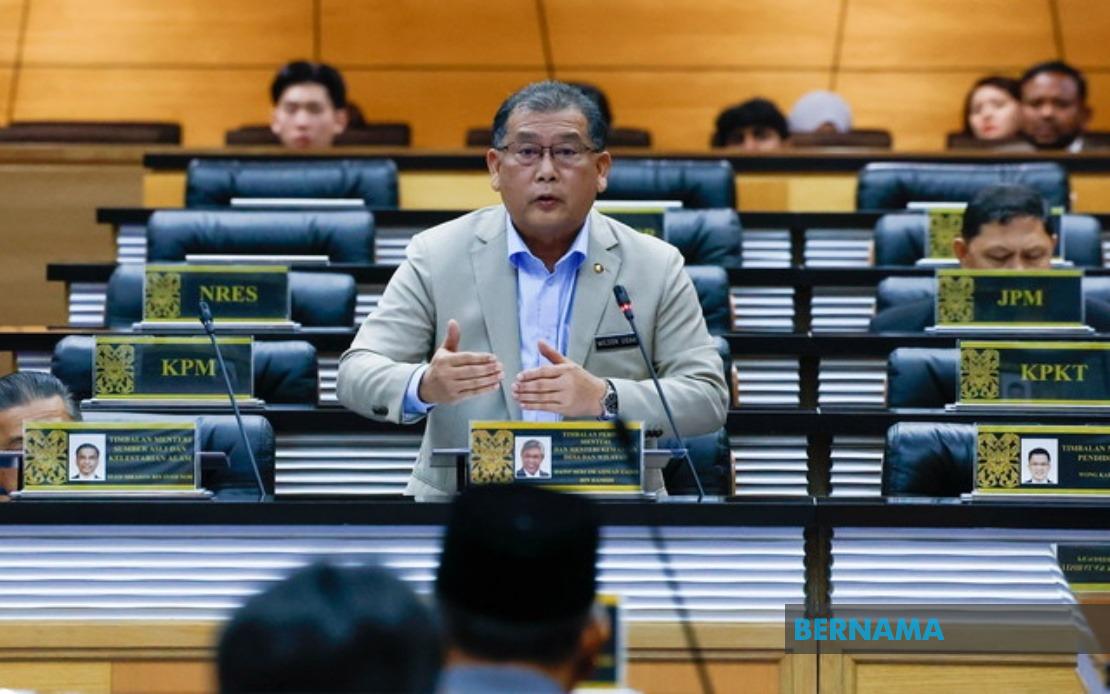
Deputy Digital Minister Datuk Wilson Ugak Kumbong revealed during parliamentary proceedings that the network of centres will be distributed across nine states, with development progressing at different speeds. Two facilities, located in Johor and Pahang respectively, have already been fully commissioned and are operational. A further nine centres are currently under active construction, while the remaining four are still navigating procurement and detailed planning phases. The staggered approach allows the government to learn from early implementations and refine operational procedures before nationwide expansion.
The concept underpinning these permanent facilities is fundamentally different from existing disaster response infrastructure. Rather than treating relief centres as emergency-only spaces, the government has designed each location to function as a community asset during ordinary times, thereby maximising the utility of public investment. This dual-function model was formally introduced in 2023 and reflects growing international best practice in disaster risk reduction, where idle infrastructure represents wasted taxpayer resources. Schools, which have traditionally served as temporary shelters during floods, will be progressively relieved of this burden, protecting the academic calendar and reducing the educational disruption that has long plagued flood-prone regions.
Each permanent centre has been engineered with specific disaster-response capabilities. The facilities include large open halls capable of accommodating up to 500 displaced persons, dedicated dining areas with attached kitchen facilities, medical treatment rooms, and accessible sanitation blocks designed for persons with disabilities. Prayer spaces and specially designated zones for vulnerable populations such as children and the elderly have been incorporated to address the psychological stress often experienced during forced displacement. This thoughtful design reflects lessons learned from previous flooding events and demonstrates a commitment to maintaining human dignity during emergency situations.
The site selection process prioritises regions with documented histories of severe flooding, ensuring resources are deployed where they can have maximum protective impact. However, the decision to construct new centres does not rest solely with the federal level. Prospective locations must first navigate approval through State Disaster Management Committees, which assess local conditions and preparedness needs. Only after this state-level vetting process are proposals submitted to the National Disaster Management Agency for final evaluation and funding approval. This layered governance structure ensures that decisions reflect both local knowledge and national strategic priorities.
While the permanent centres represent medium to long-term resilience building, the government has simultaneously approved immediate upgrades to existing temporary relief infrastructure. The National Disaster Management Agency released RM4.44 million in April specifically for upgrading facilities at 25 temporary relief centres located within Ministry of Education premises. Additionally, maintenance funding of up to RM50,000 has been made available for temporary centres activated after the Northeast Monsoon season concludes, ensuring that facilities remain in good working order as the next flood season approaches. These complementary investments recognise that the full rollout of permanent centres will take time, and existing temporary arrangements require sustained attention.
For Malaysian readers, particularly those in flood-prone states, the significance of this development extends beyond mere infrastructure provision. Historically, the displacement of schoolchildren to emergency centres has disrupted education continuity, placing additional strain on families already traumatised by flooding. By reducing reliance on schools as relief facilities, the government aims to maintain educational stability during disaster periods. This is especially important in states like Kelantan, Terengganu, and Pahang, where monsoon flooding is virtually annual and has long posed challenges to student attendance and learning outcomes.
The expansion of permanent disaster relief capacity also reflects acknowledgment that Malaysia's climate and geography make large-scale flooding inevitable. Rather than treating such events as exceptional circumstances, the government is embedding preparedness into the physical and institutional landscape. The focus on communities frequently affected by severe flooding indicates a data-driven approach to resource allocation, ensuring that infrastructure investments reach the populations at greatest risk. This targeted strategy maximises the protective impact of limited public funds.
Deputy Minister Wilson Ugak emphasised during his parliamentary statement that disaster management cannot remain the exclusive responsibility of the National Disaster Management Agency alone. Instead, he articulated a comprehensive vision of shared responsibility spanning federal authorities, state governments, the private sector, and communities themselves. This articulation of a whole-of-government and whole-of-society approach reflects international consensus on effective disaster risk reduction, though implementation in the Malaysian context presents substantial coordination challenges given the federal structure and varying state capacity.
The National Disaster Management Agency is currently pursuing development allocations for the next phase of permanent centre construction nationwide, with particular attention to Perak and other states not yet included in the current 15-centre programme. This indicates that the current initiative represents the opening chapter of a longer-term commitment to comprehensive disaster infrastructure. The extended timeline also reflects budget realities; constructing 15 major facilities is a substantial undertaking requiring careful financial management and procurement processes.
For Southeast Asian observers, Malaysia's investment in permanent disaster relief infrastructure is noteworthy as a regional peer begins to operationalise disaster resilience at scale. Many neighbouring countries face similar monsoon flooding challenges but lack comparable institutional and infrastructure responses. Malaysia's experience with this programme will likely generate lessons applicable across the region, particularly regarding dual-purpose facility design and the integration of disaster preparedness into community planning.
The success of this initiative will ultimately depend on sustained political commitment and adequate funding through implementation. The phased approach reduces the risk of project failure but requires consistent policy continuity across election cycles. As climate patterns continue to shift and monsoon intensity potentially increases, the baseline assumption that flooding will remain frequent and severe appears increasingly justified, making the investment in permanent, professionally-managed relief infrastructure an essential component of national resilience.

