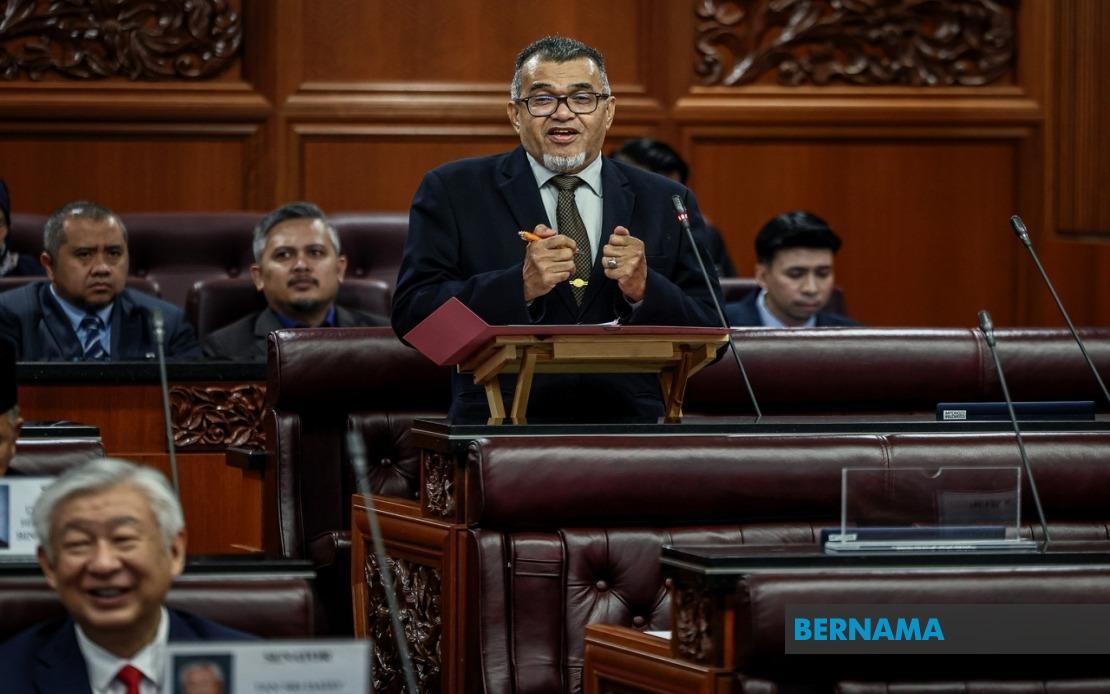
Malaysia is taking decisive action against a growing scourge of railway cable theft that has cost the nation's transport infrastructure RM50 million in cumulative losses. Deputy Transport Minister Datuk Hasbi Habibollah revealed that his ministry is finalising amendments to the rail transport law that would impose substantially stiffer penalties on those convicted of trespassing and stealing cables from national rail facilities. The proposed maximum fine of RM100,000 per offence represents a hundred-fold increase from the current RM1,000 penalty, signalling the government's determination to combat what has become a persistent operational headache for railway operators across the country.
The legislative overhaul is expected to reach Parliament during the next session, likely by year-end, according to Hasbi's statement made during question and answer proceedings at Dewan Negara. This timeline underscores the urgency with which the government views the problem, reflecting growing frustration with the inadequacy of existing deterrents. The current penalty structure has proven wholly ineffectual at dissuading thieves, particularly organised groups who view the minimal fines as a minor cost of doing business. Transport officials have long contended that penalties so far below the actual damage inflicted provide no meaningful disincentive, especially when the scrap value of stolen copper and aluminium cables can sometimes exceed the fine itself.
The scale of losses has reached alarming proportions across Malaysia's fragmented rail network. Keretapi Tanah Melayu Berhad (KTMB), the state-owned operator managing the main peninsula network, alongside Prasarana Malaysia Berhad and the East Coast Rail Link (ECRL) project, have collectively absorbed this substantial financial burden. The impact extends beyond mere accounting figures—each theft incident creates operational disruptions that cascade through the network, delaying services for commuters and freight operators who depend on reliable rail connections for their livelihoods. For passengers, particularly those in urban corridors where trains serve as vital commuting arteries, cable theft translates directly into service suspensions and schedule chaos.
The ECRL project, still under construction and not yet operational for passenger services, has emerged as a particularly vulnerable target. Between them, 71 cable theft cases along the ECRL corridor have resulted in estimated losses of RM4.06 million, while an additional 13 incidents involving equipment damage and other material theft added RM0.69 million in losses, bringing the project-specific total to RM4.75 million. Although these disruptions do not yet affect end-users awaiting the completed line's opening, Hasbi warned that the thefts pose genuine risks to the project timeline itself, potentially delaying critical phases including system installation, testing, commissioning, and operational readiness preparations. Any delay to ECRL commissioning ripples through regional transport planning and economic forecasts for the affected states.
Beyond legislative punishment, the government is implementing a multifaceted security enhancement strategy to make cable theft more difficult and risky for perpetrators. Officials are currently installing 1,146 closed-circuit television cameras along railway corridors stretching from Johor northward, creating a surveillance network intended to deter criminals and aid law enforcement in identifying and prosecuting offenders. This camera deployment represents a substantial infrastructure investment, though cybersecurity experts note that effectiveness depends critically on footage review procedures and coordination between security personnel and police investigative units.
On the ground, KTMB has bolstered physical security presence by acquiring twenty scrambler motorcycles for use by Auxiliary Police units conducting round-the-clock patrols. These agile vehicles enable rapid response to incidents along trackside routes where stationary security posts cannot provide comprehensive coverage. Complementing vehicle patrols, the operator has implemented structural modifications including the closure of high-security access points such as vulnerable manholes, while simultaneously deploying trained sniffer dogs for detecting human presence and discouraging trespassing. This layered approach—combining technology, personnel, physical barriers, and animal assets—reflects mounting recognition that no single security measure suffices against determined organised theft rings.
The cable theft phenomenon reveals broader vulnerabilities in Malaysia's transport security infrastructure that extend beyond railways. Similar problems plague electrical grids, telecommunications networks, and construction sites nationwide, all targeted by scrap metal traders motivated by international demand for copper and aluminium. The economics driving such theft remain compelling: global metal prices create substantial incentives for organised criminal networks operating across borders, sourcing stolen materials for export to processing facilities in countries with limited enforcement of origin documentation requirements. Malaysian operators compete with better-resourced facilities in developed nations for security investment attention, often placing rail infrastructure relatively lower in corporate priority hierarchies than passenger-facing services.
For regional transport planners and policymakers across Southeast Asia, Malaysia's struggle with railway cable theft offers instructive lessons. The problem affects multiple countries throughout the region, yet responses remain fragmented and often reactive rather than strategic. Information sharing about theft methods and organised networks across borders could strengthen enforcement, yet regional cooperation mechanisms for this specific challenge remain underdeveloped. Indonesia, Thailand, and the Philippines all grapple with similar issues affecting their developing railway networks, suggesting that comprehensive regional frameworks tackling transnational theft organisations might prove more effective than individual nation-state responses alone.
The proposed RM100,000 fine increase, while symbolically powerful as a statement of government commitment, represents only one element of deterrence theory. Criminology research suggests that certainty of punishment influences criminal behaviour more significantly than severity of penalties alone. Therefore, the law amendment's real impact will depend substantially on whether enhanced investigative resources, faster prosecution procedures, and higher conviction rates accompany the increased fines. If legislation passes without corresponding improvements in detection and prosecution capabilities, offenders may rationally discount the theoretical risk, viewing increased fines merely as a legislative gesture lacking enforcement muscle behind it.
The government's announcement reflects mounting political pressure from affected constituencies and transport operators demanding action. Service reliability remains a critical measure by which citizens and businesses evaluate government performance, particularly in urban areas where rail transport accounts for significant commuter volumes. Each cable theft incident generating service disruptions feeds public frustration with transport quality, potentially influencing broader perceptions of government competence and administrative effectiveness. By proposing substantial penalties and visible security upgrades, transport authorities signal responsiveness to constituent concerns, though sustained implementation and measurable crime reduction will ultimately determine whether this initiative succeeds beyond its public relations dimension.

