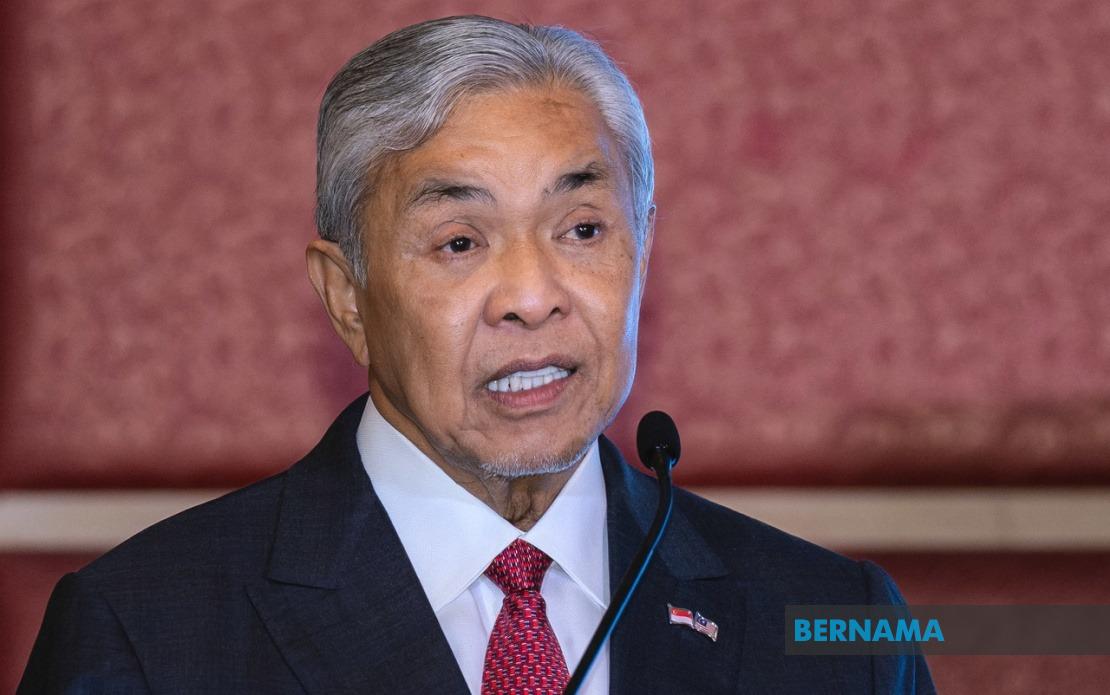
Malaysia will establish a self-contained framework for managing refugees and asylum seekers, moving away from dependence on external actors, according to provisions outlined in National Security Council Directive No. 23, which was updated in 2023. Deputy Prime Minister Datuk Seri Dr Ahmad Zahid Hamidi announced this strategic shift during recent parliamentary proceedings, emphasising that the country requires comprehensive domestic solutions tailored to its unique circumstances and constraints.
The proposed mechanism represents a significant recalibration of Malaysia's approach to one of Southeast Asia's most pressing humanitarian challenges. Rather than outsourcing refugee administration to international organisations, the government intends to consolidate responsibility across multiple domestic agencies, creating a coordinated approach that balances humanitarian obligations with national interests. This framework, signed by Prime Minister Datuk Seri Anwar Ibrahim on June 14, 2023, reflects the government's determination to take fuller control over policy direction and implementation.
A central pillar of the new system involves determining which refugees qualify for essential services, with the government pledging to extend healthcare, education, and employment opportunities to those deemed eligible. Ahmad Zahid, who also holds the Rural and Regional Development portfolio, stressed that these provisions must be carefully calibrated to ensure they serve genuine humanitarian needs without creating unsustainable burdens on Malaysia's already stretched public resources. The balance between provision and restraint will prove critical to the policy's political viability.
Enforcement mechanisms and policy coordination form the backbone of this domestic management structure. Rather than relying on international bodies to verify refugee status or coordinate assistance, Malaysian agencies will develop institutional capacity to perform these functions independently. This consolidation of authority under the National Security Council reflects concerns about maintaining sovereignty over immigration matters and ensuring that refugee policy advances Malaysian interests alongside humanitarian considerations.
Significantly, Ahmad Zahid highlighted a persistent operational challenge: local enablers who facilitate irregular migration networks for personal profit. He identified rental property owners who house undocumented migrants and employers seeking cheap labour as obstacles to effective enforcement. This candid acknowledgment reveals the government's frustration with enforcement undermining by community members acting from narrow self-interest rather than social responsibility. Addressing this requires not merely legal frameworks but cultural shifts in how Malaysians view their responsibilities toward irregular migrants.
The policy's urgency stems partly from Malaysia's position as a refuge for over 126,000 registered Rohingya, making it a significant host nation despite lacking international legal conventions to guide refugee protection. The Refugee Registration Document programme provides a mechanism for identifying and tracking vulnerable populations, yet generates ongoing administrative and social demands. Ahmad Zahid's parliamentary response, triggered by Jempol member Datuk Shamshulkahar Mohd Deli's inquiry, underscores growing parliamentary attention to the adequacy of existing refugee frameworks.
The comprehensive nature of NSC Directive No. 23 extends beyond simple border control. It seeks to define precisely the functions and responsibilities of every ministry and agency involved in refugee administration, from health and education to security services and local government authorities. This granular delineation aims to eliminate overlapping jurisdictions, turf wars between agencies, and the policy gaps that have historically complicated Malaysia's refugee response. Clear institutional mandates should theoretically improve coordination and accountability.
However, establishing an independent mechanism raises profound questions about capacity and sustainability. Malaysian government agencies must now develop expertise in refugee law, trauma-informed service delivery, and secure documentation systems comparable to what international organisations have built over decades. Building these capabilities requires sustained funding, staff training, and institutional commitment—resources that often face competition from other policy priorities. Whether the government can allocate sufficient resources remains uncertain.
The policy also reflects Malaysia's broader shift toward reasserting control over immigration and national security matters amid regional pressures. As refugee populations in Southeast Asia remain persistently large while international burden-sharing remains inadequate, countries increasingly pursue autonomous solutions rather than waiting for global cooperation. Malaysia's approach mirrors similar efforts across the region, where nations struggle to balance humanitarian values with public sentiment increasingly skeptical of large refugee populations.
Critically, Ahmad Zahid's framing emphasizes that effective refugee management requires "balance between enforcement of national laws and the community's social responsibilities." This articulation suggests the government recognises that purely restrictive approaches alienate communities and generate humanitarian crises, yet purely welcoming policies face political resistance. The NSC Directive attempts to thread this needle, though whether it succeeds depends on implementation rigour and sustained political will across administrations.
The independent framework also permits Malaysia to develop policies reflecting Southeast Asian values and practical constraints rather than global refugee regime norms. International organisations sometimes promote approaches designed for wealthy nations with different labour markets, social security systems, and demographic pressures. Malaysia's domestically-designed mechanism can prioritise employment models, education standards, and security screening suited to Malaysian conditions, potentially generating more sustainable outcomes than importing wholesale international models.
Looking forward, the success of NSC Directive No. 23 hinges on inter-agency coordination, public engagement, and resource allocation. The government must ensure that its rhetoric about fairness and welfare provision translates into actual access to services for vulnerable refugees while maintaining credibility with a population experiencing legitimate anxieties about jobs, housing, and security. This balancing act will test Malaysia's institutional maturity and political leadership.

