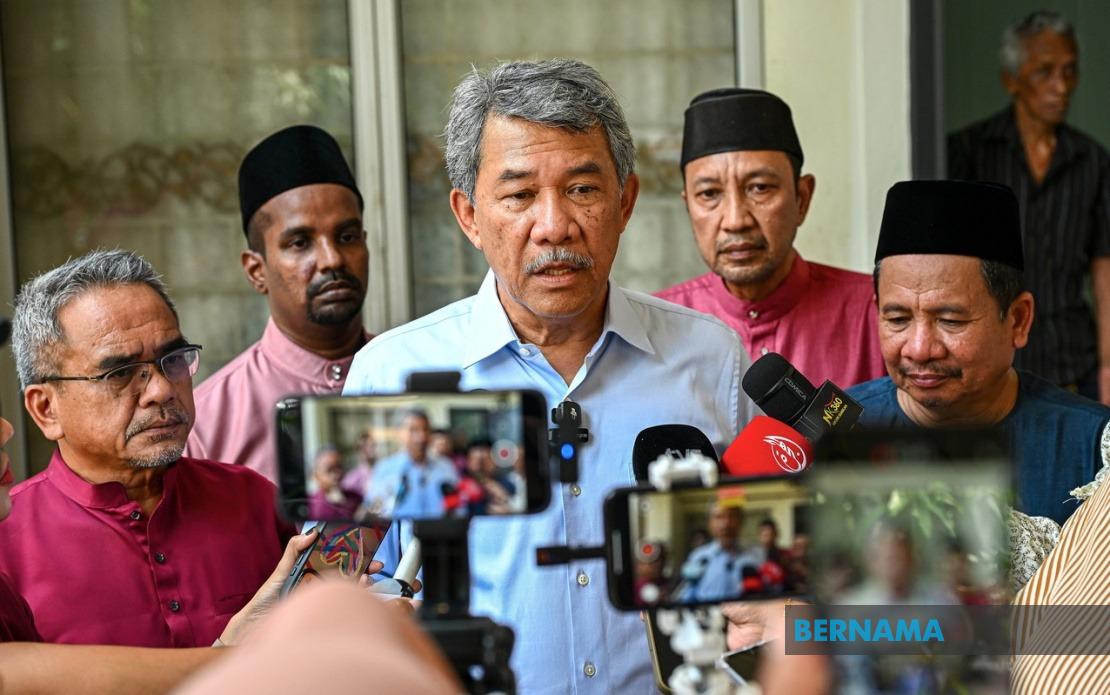
Malaysia intends to proceed cautiously with the repatriation of Myanmar refugees currently in the country, prioritising their personal security and wellbeing throughout the process. Foreign Minister Datuk Seri Mohamad Hasan outlined this measured approach during remarks made in Seremban on August 14, stressing that no returnees would be sent back without careful preparation and verification of conditions awaiting them in Myanmar.
The repatriation effort will depend heavily on sustained cooperation between Malaysia's Home Ministry and the United Nations High Commissioner for Refugees. This partnership is essential for confirming the legal status of individual refugees and conducting thorough assessments of the security landscape they would encounter upon their arrival home. By coordinating closely with the UNHCR, Malaysia aims to mitigate risks and ensure that vulnerable populations are not inadvertently placed in danger.
Authorities in Kuala Lumpur have also initiated direct diplomatic engagement with Myanmar's government to facilitate orderly returns. Mohamad Hasan indicated that the Ministry of Foreign Affairs has tasked its Secretary-General with liaising through Myanmar's embassy in Malaysia, establishing a structured channel for negotiations. This diplomatic groundwork reflects recognition that repatriation is not merely a domestic undertaking but requires careful orchestration between nations.
While Myanmar's government has reportedly signalled willingness to receive 5,000 of its nationals by sea, Malaysia has opted for a graduated approach rather than accepting large cohorts in single operations. This strategy acknowledges both the logistical challenges of managing mass movements and the importance of quality control in the verification process. By sending smaller, carefully vetted groups, Malaysia can maintain oversight and respond to any complications that arise.
The Foreign Minister emphasised that there is no urgency to delay proceedings until all 5,000 potential returnees have been processed. Instead, the 1,000 individuals already identified and verified as eligible for repatriation can proceed immediately, with subsequent waves following as additional refugees clear the security and status assessments. This phased implementation represents a pragmatic compromise between Myanmar's capacity to receive returnees and Malaysia's responsibility to protect those departing.
The situation reflects broader regional complexities surrounding Myanmar's humanitarian crisis. Since the 2021 military coup, Myanmar has descended into widespread civil unrest, displacement, and violence, driving hundreds of thousands to seek refuge across Southeast Asia. Malaysia, as a non-signatory to the 1951 Refugee Convention, has accommodated approximately 185,000 registered refugees, making it one of the world's largest refugee-hosting nations relative to its population. Managing this population while maintaining diplomatic relationships with Myanmar presents genuine policy challenges.
ASEAN's collective approach to the Myanmar crisis also features prominently in Malaysia's calculations. Regional policymakers have determined that the humanitarian dimensions of Myanmar's turmoil must be addressed cooperatively by member states rather than through unilateral action. Mohamad Hasan stressed that ASEAN considers refugee management a serious concern requiring coordinated responses that balance humanitarian obligations with diplomatic and security considerations.
The Five-Point Consensus, adopted by ASEAN leaders as a framework for addressing Myanmar's political crisis, remains central to Malaysia's position on repatriation matters. This consensus encompasses principles such as dialogue, the cessation of violence, and humanitarian assistance. By anchoring repatriation policy within this established ASEAN mechanism, Malaysia seeks to ensure that refugee returns align with broader efforts to promote stability and accountability in Myanmar.
For Malaysian stakeholders, the measured approach reflects acknowledgment that premature or poorly managed repatriations could undermine both Malaysia's humanitarian standing and its regional diplomatic credibility. NGOs and civil society organisations monitoring the situation have increasingly emphasised the risks facing returnees in Myanmar, particularly those perceived as opponents of the military regime. By insisting on thorough vetting and coordination with international agencies, Malaysia attempts to mitigate criticism from human rights advocates while maintaining constructive relations with the Myanmar government.
The economic and social dimensions of hosting such large refugee populations also feature in Malaysia's calculations, though officials have not emphasised these publicly. Schools, healthcare facilities, and labour markets in host communities experience measurable strain from refugee concentrations. Successful, voluntary repatriation of those who wish to return reduces pressures on these systems, provided it proceeds safely and respects individual choice. Malaysia's gradual approach thus serves multiple policy objectives simultaneously.
Looking forward, the success of repatriation efforts will depend on sustained improvements in Myanmar's security environment. Even if Malaysia successfully identifies and verifies willing returnees, their safety cannot be guaranteed without broader progress toward political stability and the rule of law in Myanmar. This reality shapes Malaysia's insistence on ongoing coordination with the UNHCR and bilateral communication with Myanmar's authorities, creating built-in mechanisms to pause or adjust repatriation timelines if conditions deteriorate.
The pathway Malaysia has charted represents a middle position between critics demanding immediate repatriation and those calling for indefinite sanctuary. By committing to staged returns only after rigorous verification, Malaysia acknowledges both the aspirations of refugees themselves and the legitimate interests of Myanmar's government in receiving its nationals. Whether this equilibrium can be sustained will depend on the evolving political and security situation in Myanmar, the capacity of international agencies to support the process, and Malaysia's continued commitment to prioritising refugee welfare over other pressures.

