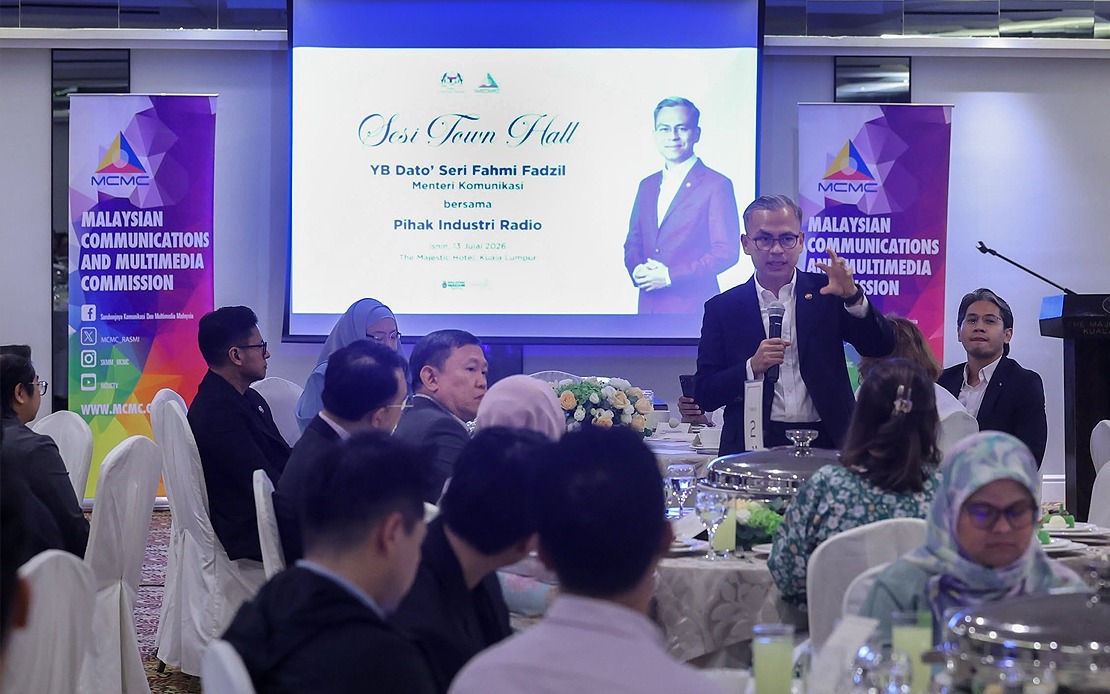
The Malaysian government has initiated a comprehensive review of its radio broadcasting landscape, signalling renewed attention to an industry facing profound disruption from digital streaming platforms and changing listener habits. Communications Minister Datuk Seri Fahmi Fadzil outlined the strategic undertaking during a town hall engagement with radio broadcasters and industry stakeholders, emphasising the need to strengthen the country's broader broadcasting ecosystem at a time when traditional media faces unprecedented pressure to adapt and innovate.
The Malaysian Communications and Multimedia Commission (MCMC) will spearhead the policy study, aligning it with two complementary government frameworks: the National Creative Industry Policy and the Orange Economy Council's agenda. This multi-layered approach suggests the government views radio not merely as a standalone medium but as part of a larger creative economy strategy designed to generate employment, foster entrepreneurship, and bolster Malaysia's cultural output globally. The Orange Economy concept, increasingly adopted across Southeast Asia, positions creative industries as drivers of economic transformation and social development.
During the town hall discussions, several critical challenges emerged as focal points for the review process. The sustainability of radio broadcasters ranks prominently among government concerns, reflecting anxiety about the sector's ability to maintain profitability as advertising revenue fragments across digital channels. Local music content production and promotion also featured significantly in the dialogue, highlighting government interest in preserving Malaysia's music industry and ensuring radio stations continue to serve as platforms for homegrown talent rather than relying exclusively on international catalogues.
Licensing models formed another substantive element of the consultations. The current regulatory framework governing radio station licences, operating periods, and renewal conditions may require modernisation to accommodate evolving business models and the emergence of digital radio services. Fahmi's acknowledgment of this issue indicates the government recognises that existing licensing structures, developed for a more stable media landscape, may inadvertently hinder innovation or disadvantage smaller operators competing against established players with deeper resources.
The competitive pressure emanating from the digital landscape represents perhaps the most acute challenge facing Malaysian radio. Streaming services such as Spotify, Apple Music, and YouTube Music have fundamentally altered how audiences consume audio content, particularly among younger demographics who increasingly favour on-demand music over scheduled radio programming. Podcasts, another digital format, have attracted significant listener investment and advertising interest. Traditional radio's historical advantage—serving as a constant companion during commutes and workdays—faces erosion as people increasingly inhabit car infotainment systems connected to streaming apps and commute via public transport with personal audio devices.
Yet radio retains distinct advantages that the government appears determined to preserve and strengthen. The medium remains cost-effective for advertisers seeking to reach specific geographic or demographic segments, particularly in suburban and rural areas where internet penetration may be lower or where listeners habitually tune to established stations. Radio also provides a unique intimacy through on-air personalities and community connection that algorithmically-driven streaming services struggle to replicate, a factor that resonates especially with older listeners and those seeking local news and information.
Fahmi's commitment to maintaining radio's relevance and accessibility reflects broader policy recognitions about media plurality and cultural preservation. A healthy radio sector contributes to media diversity, ensuring that not all content decisions flow through centralised digital platforms controlled by international technology corporations. Local radio stations, particularly those with community roots, serve gatekeeping functions for local news, support emerging local artists, and provide employment for journalists, producers, and technical staff throughout Malaysia's regions.
The government's willingness to formally review the National Broadcasting Policy signals that previous policy iterations may require recalibration. Original frameworks likely predated the mobile internet revolution and the subsequent consolidation of digital audio consumption. Updating these policies offers an opportunity to remove regulatory obstacles that may inadvertently disadvantage traditional radio while simultaneously establishing guardrails to ensure public interest broadcasting obligations remain viable and enforced.
The review process also hints at potential interventions beyond regulation. Support mechanisms such as content development funds, grants for local music promotion, or tax incentives for radio-based advertising could emerge from the study. Malaysia might examine approaches adopted by other democracies, such as public funding models for community radio or designated slots for local music, adapting international best practices to the Malaysian context.
Industry consultation during this review phase carries significant weight. Radio broadcasters possess intimate knowledge of their operating constraints, audience behaviour, and competitive pressures that regulatory bodies cannot independently perceive. The town hall format signals government openness to stakeholder input, though industry players will scrutinise whether their feedback translates into actionable policy changes or represents mere consultation theatre.
The timing of this review occurs as Malaysia's creative industries increasingly feature in national economic diversification strategies. Radio's positioning within this broader framework could yield unexpected benefits, potentially unlocking new revenue streams or supporting the development of allied services such as podcast production, audio content licensing, or digital radio technologies developed by Malaysian firms.
Ultimately, the success of this policy review hinges on balancing two sometimes-competing imperatives: creating sufficient regulatory flexibility to allow radio broadcasters to innovate and compete in digital markets, while simultaneously protecting content standards, local music promotion, and community values that justify public interest in preserving a vibrant radio sector. The MCMC's study will determine whether Malaysian radio enters its next chapter as a reinvigorated medium or a nostalgia-driven relic.

