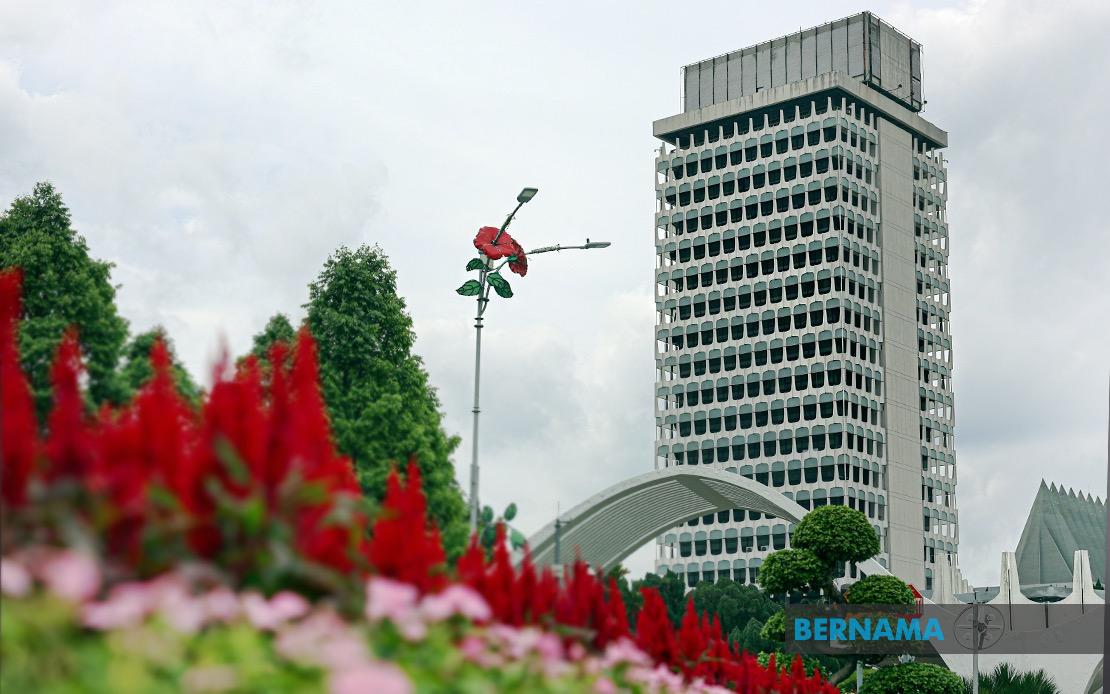
Parliament reconvened on July 14 to tackle two pressing geopolitical and economic concerns affecting Malaysia's strategic interests and fiscal health: the development framework of the Malaysia-Thailand Border Economic Zone and the ripple effects of sustained tensions in the Strait of Hormuz. These debates reflect mounting parliamentary scrutiny of how the government intends to capitalise on regional cooperation while protecting national interests against volatile global conditions.
During the Ministers' Question Time session, Datuk Adnan Abu Hassan from Kuala Pilah raised fundamental queries about the tangible economic returns Malaysia expects to derive from the BEZ initiative. His inquiry extends beyond headline figures to encompass the distribution mechanisms for those gains, specifically targeting small and medium enterprises and communities residing in frontier districts. This line of questioning underscores a persistent concern among Malaysian lawmakers: whether large-scale border development projects genuinely translate into prosperity for peripheral regions or simply concentrate benefits among major corporations and urban centres.
The Malaysia-Thailand Border Economic Zone represents a significant bilateral undertaking designed to deepen economic integration between the two neighbours through enhanced trade, investment, and cross-border commerce. For Malaysia, particularly Perlis and northern Kedah, such arrangements offer pathways to diversified revenue streams and employment opportunities. However, policymakers and constituents alike scrutinise how equitable benefit-sharing mechanisms will operate, given historical patterns where border communities remain economically marginalised despite proximity to development zones.
Parallel to these concerns, Datuk Rosol Wahid from Hulu Terengganu pressed the Prime Minister on the government's assessment of how the prolonged Strait of Hormuz crisis threatens Malaysia's political and economic equilibrium. One-fifth of global maritime trade transits this narrow waterway, making regional stability pivotal to Malaysia's commerce, energy security, and shipping interests. The cumulative effect of tensions here directly impacts port operations, insurance costs, and commodity prices affecting ordinary Malaysians.
The Strait of Hormuz crisis carries multilayered implications for Southeast Asia's largest economy. Elevated geopolitical risk raises energy prices, straining household budgets and industrial competitiveness. Malaysian shipping companies face elevated insurance premiums and longer voyage times through alternative routes. Port authorities and logistics operators grapple with operational uncertainties. Beyond economic metrics, sustained instability risks embroiling regional powers into broader conflicts, complicating Malaysia's non-aligned foreign policy stance and ASEAN unity.
Rosol's questioning sought clarity on government mitigation strategies, implying parliamentary concern that contingency planning may prove inadequate. Whether Malaysia has diversified energy sourcing, strengthened maritime security protocols, or engaged diplomatic channels remains critical for investors and businesses assessing medium-term stability. Parliamentary oversight of these dimensions reflects democratic accountability for navigating external shocks beyond Malaysia's unilateral control.
Additional parliamentary business included Datuk Yusuf Abd Wahab's inquiry into Transport Ministry measures combating illegal highway racing, prompted by a dangerous incident in Simpang Renggam, Johor, during June. This question highlights how Parliament addresses immediate public safety threats alongside macroeconomic concerns, demonstrating the institution's capacity for addressing layered governance challenges.
The sitting proceeded to introduce two consequential bills shaping Malaysia's institutional architecture. The Statistics Bill 2026, tabled by the Economy Minister, modernises data collection and analysis frameworks essential for evidence-based policymaking. Improved statistical capabilities strengthen Malaysia's capacity to assess development programme effectiveness, including the Malaysia-Thailand BEZ, by providing granular economic indicators. The National Trust Fund Bill 2026, presented by the Finance Minister, establishes governance structures for long-term financial stewardship, potentially addressing intergenerational equity and fiscal sustainability concerns.
Minister in the Prime Minister's Department Datuk Seri Azalina Othman Said presented a critical constitutional reform report concerning separation of the Attorney General and Public Prosecutor roles. The Parliamentary Special Select Committee, which convened seven sessions, refined the original proposal through seven substantive improvements targeting institutional independence, integrity, and accountability. This reform addresses longstanding concerns about prosecutorial independence from political influence, strengthening judicial safeguards essential for rule of law.
The seven-session committee work indicates deliberative legislative craftsmanship, with multiple stakeholders consulted and iterative refinements incorporated. Such thoroughness builds legitimacy for constitutional amendments, traditionally requiring supermajority support. The reform's emphasis on prosecutorial independence resonates with international best practice and domestic expectations for impartial justice administration, particularly relevant given Malaysia's recalibration of institutional accountability mechanisms in recent years.
This 16-day parliamentary sitting, scheduled from late June through early July, demonstrates Parliament's engagement with interconnected challenges spanning border economics, geopolitical risk, public safety, statistical infrastructure, fiscal governance, and constitutional accountability. The breadth reflects Malaysia's positioning as a middle-income economy navigating regional integration, external vulnerabilities, and internal institutional strengthening simultaneously. Parliamentary debates on these issues signal how elected representatives balance growth ambitions against stability imperatives, equity concerns against development efficiency, and democratic oversight against executive governance.

