Malaysia's National Unity Ministry is pursuing an ambitious expansion of community-based dispute resolution infrastructure, with plans to certify 1,280 community mediators by 2030 and establish 12 additional mediation centres by 2027. The initiative represents a strategic shift toward preventative conflict management, aligning with the broader aspirations outlined in the 13th Malaysia Plan to strengthen social cohesion through accessible, inclusive mechanisms for resolving disputes outside the formal court system.
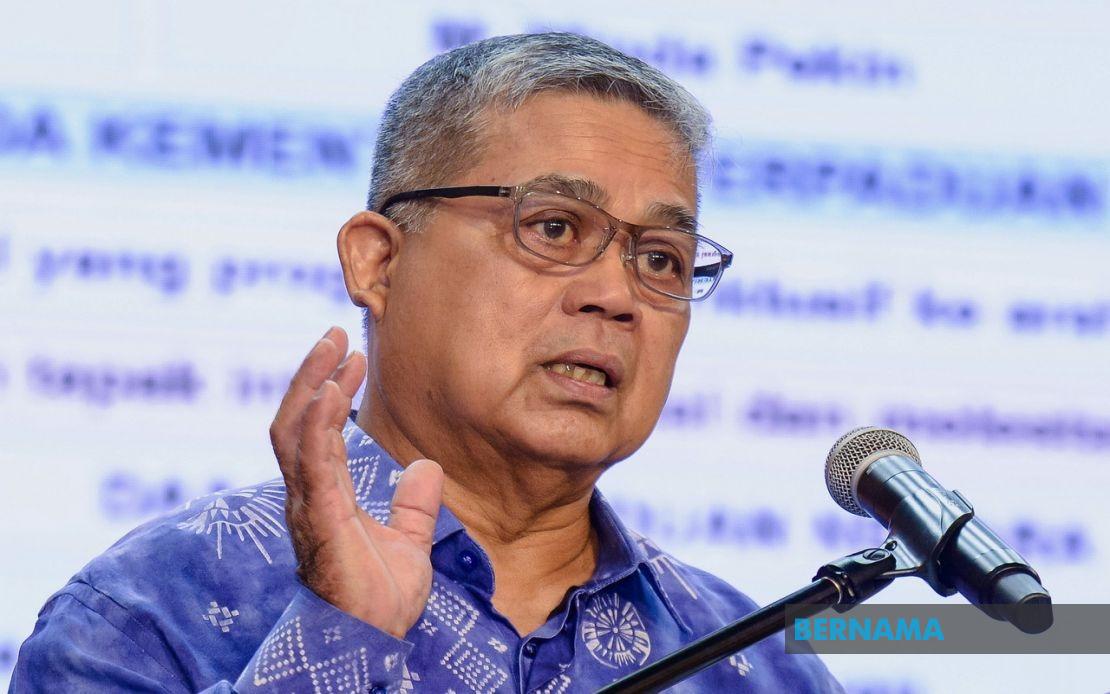
Minister Datuk Aaron Ago Dagang announced the expansion programme in Putrajaya, framing mediation services as a critical tool for managing the diverse grievances that emerge within multiethnic communities. The emphasis on community-level intervention reflects growing recognition that court litigation, while necessary in many instances, often proves inadequate for preserving relationships and addressing root causes of tension within neighbourhoods and residential areas. By offering free, professionally facilitated mediation, the ministry seeks to decongest the judicial system while empowering residents to resolve disputes through negotiation and mutual understanding.
The economic rationale underpinning the expansion is substantial. Mediation services avoid the protracted timelines and substantial legal costs associated with court proceedings, enabling disputing parties to reach binding settlements more swiftly and affordably. This efficiency gains particular importance in communities where financial constraints might otherwise prevent individuals from accessing formal justice mechanisms. The pro bono delivery model removes financial barriers entirely, ensuring that access to skilled mediation depends solely on geographic proximity and awareness rather than ability to pay.
The 12 new mediation centres will be strategically distributed across the country, with locations spanning from Sabah and Sarawak to the southern states. Specific sites include Pusat Rukun Tetangga Taman Khidmat in Kota Kinabalu, Sabah; Perumahan Awam Seri Kota in Kuala Lumpur; Pontian, Johor; Pusat Aktiviti Perpaduan Kulim in Kedah; PAP Permatang Badak in Pahang; Machang, Kelantan; Labuan; PAP Miri in Sarawak; Kamunting, Perak; Jasin, Melaka; Shah Alam, Selangor; and PRT Pekan Bukit Payong in Terengganu. This geographic distribution signals an intention to embed mediation services within existing community infrastructure, leveraging neighbourhood associations and community activity centres as anchor points.
The scaling of mediator certification constitutes the programme's human capital dimension. Training 1,280 certified professionals by decade's end will require substantial investment in curriculum development, trainer capacity, and ongoing professional standards. These mediators will require competencies spanning conflict analysis, communication facilitation, cultural sensitivity, and awareness of relevant legal frameworks. The professionalization of the mediation workforce distinguishes this initiative from informal approaches, ensuring that settlements reached carry credibility and enforceability.
For Malaysian readers, the expansion carries particular relevance given the country's diverse religious, ethnic, and cultural composition. Community disputes frequently emerge from misunderstandings rooted in cultural differences, religious sensitivities, or land and property matters. Trained mediators equipped with cultural awareness and conflict resolution expertise can help disputants navigate these complexities more effectively than adversarial court processes. The preservation of community harmony through mediation becomes especially valuable in residential settings where neighbours must maintain ongoing relationships.
The ministry's integration with local authorities represents a structural innovation aimed at sustainability. By anchoring mediation centres within municipal infrastructure and establishing collaborative relationships with local governments, the programme embeds dispute resolution within formal administrative structures. This approach enhances accountability, enables resource-sharing, and ensures that mediation services remain responsive to evolving community needs rather than depending solely on centralised ministry direction.
The initiative also addresses a recognised bottleneck within Malaysia's justice system. While the formal courts provide essential services, their capacity remains limited relative to population growth and the diversity of disputes requiring resolution. Community mediation offers a pressure valve, diverting suitable cases toward faster, less formal resolution while preserving court resources for matters requiring judicial authority or involving criminal allegations. This triage approach potentially improves overall system efficiency.
Beyond administrative efficiency, the expansion reflects a philosophical commitment to restorative rather than purely punitive approaches to conflict. Mediation emphasises healing relationships and addressing underlying grievances rather than determining winners and losers through adversarial litigation. This orientation aligns with Malaysia's constitutional commitment to harmony and the values embedded in the Malaysia MADANI framework, which prioritises inclusive prosperity and social resilience.
Implementing the programme will require coordinated effort across multiple stakeholders. The ministry must invest in mediator training infrastructure, ensuring quality and consistency across diverse geographic contexts. Local authorities require guidance on integrating mediation services with existing community governance structures. Public awareness campaigns will be essential to building familiarity with available services among populations accustomed to viewing courts as the primary mechanism for dispute resolution.
The success of this expansion depends partly on cultural factors influencing community willingness to utilise mediation. In some contexts, disputants may perceive court litigation as conferring greater legitimacy or finality. Building trust in mediation requires demonstrating consistent quality, publicising successful outcomes, and securing endorsement from respected community leaders and authorities. The programme's performance will likely vary across regions based on existing conflict management traditions and local institutional capacity.
Looking beyond 2030, the pathway established through this initiative suggests potential for further development. As mediator networks expand and institutional memory accumulates, Malaysia may explore specialised mediation for particular dispute categories including neighbourhood conflicts, commercial disagreements, and family matters. Enhanced data collection on mediation outcomes could inform evidence-based policy refinement and contribute to understanding how community-level intervention influences broader social cohesion indicators.
The ministry's commitment to expanding mediation infrastructure and certification represents a meaningful attempt to distribute justice more equitably across Malaysian society. By making dispute resolution more accessible, faster, and less financially burdensome, the programme acknowledges that formal courts, while essential, cannot adequately serve all communities. The vision of a mediation-enabled society where residents possess accessible pathways to resolving disputes while preserving relationships resonates with aspirations for a more harmonious and inclusive Malaysia.

