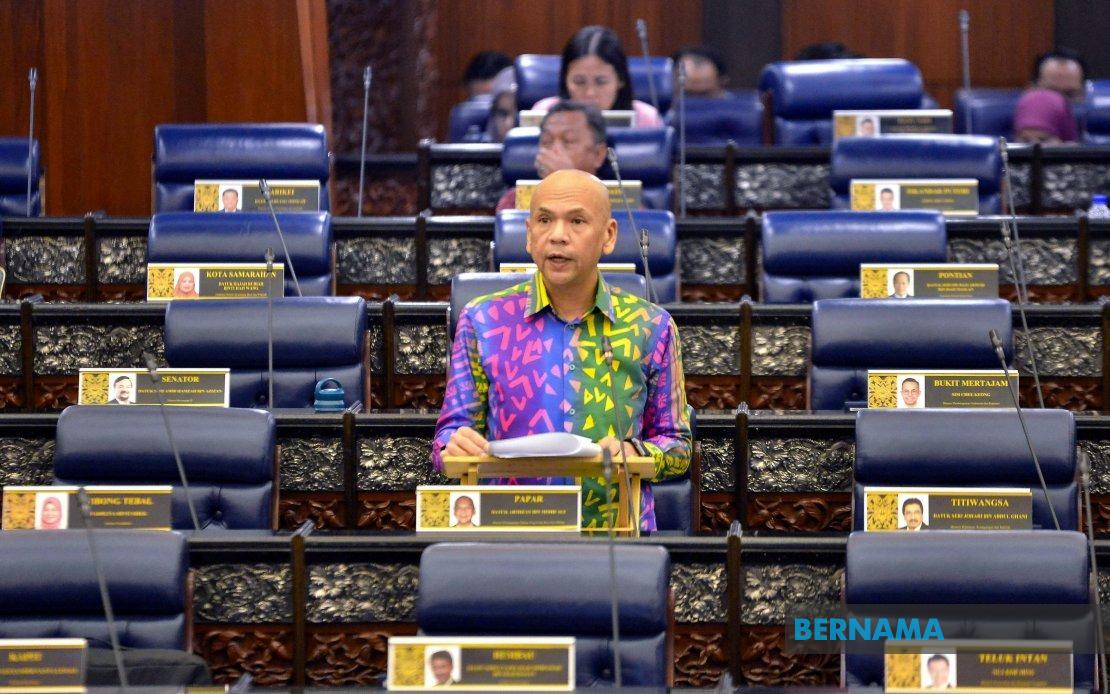
Malaysia is taking decisive legislative action to combat the evolution of cartel behaviour in the digital age. Datuk Armizan Mohd Ali, the Domestic Trade and Cost of Living Minister, tabled the Competition (Amendment) Bill 2026 in parliament, signalling the government's commitment to keeping competition law abreast of technological change. The 34-clause Bill represents a comprehensive overhaul designed to equip the Malaysia Competition Commission with the tools necessary to investigate and prosecute increasingly complex forms of anti-competitive conduct that threaten consumer welfare and market integrity across the region.
The sophistication of modern cartel operations has accelerated far beyond traditional collusive practices. Contemporary offenders now leverage algorithmic systems to coordinate pricing and output decisions with minimal human interaction, making detection considerably more difficult for enforcers. They communicate through encrypted platforms with self-deleting message capabilities, deliberately erasing digital footprints of their coordination. Some enterprises have even adopted data-destruction technologies specifically designed to eliminate evidence before investigators can access it. This technological arms race between cartels and authorities underscores why Malaysia's legislative response has become urgent and necessary.
Armizan emphasised that the Bill's development drew extensively on MyCC's accumulated experience over fourteen years of active enforcement. The Commission has observed firsthand how market participants continue to innovate in concealing collusive behaviour, adapting quickly to existing legal constraints. Beyond domestic learning, Malaysian lawmakers benchmarked the proposed amendments against enforcement practices employed by other Malaysian regulatory agencies, international competition authorities, and recognised global standards. This comparative approach ensures that the resulting legislation reflects proven methodologies while remaining tailored to Malaysia's specific legal and market context.
One particularly significant addition is the creation of a new criminal offence under Section 24 specifically targeting the intentional destruction, concealment, tampering with, or alteration of records and data intended to obstruct MyCC investigations. This provision addresses a critical enforcement gap identified through MyCC's investigative experience. Previously, enterprises could destroy evidence with limited consequences under competition law specifically, even though such conduct undermines the investigative process. The criminalisation of evidence destruction raises the stakes for would-be offenders and sends a clear message that obstructing enforcement carries serious personal consequences for corporate decision-makers.
The Bill proposes broader enhancements to MyCC's investigative and enforcement architecture beyond the evidence-destruction provisions. The amendments strengthen enforcement mechanisms against both cartels and abuses of dominant market position, reflecting recognition that anti-competitive harm manifests across multiple conduct types. By modernising procedural frameworks and expanding investigative authorities, MyCC will gain capacity to respond swiftly to novel market structures and business models that existing legislation may not adequately address. This flexibility proves essential in an environment where digital platforms, artificial intelligence, and data-driven decision-making continuously reshape competitive dynamics.
The legislative initiative reflects broader regional anxieties about digital-age cartels. Across Southeast Asia, competition authorities have grown increasingly concerned about algorithm-facilitated collusion and evidence destruction in the digital economy. Malaysia's proactive stance positions it as a regional leader in addressing these challenges, potentially setting standards that neighbouring countries may eventually follow. For Malaysian businesses operating across borders, the amendments signal heightened enforcement expectations and underscore the importance of compliance frameworks that can withstand rigorous investigation.
Armizan stressed that the legislative review confirmed the necessity of substantive strengthening to maintain the Act's relevance. Market structures have become increasingly complex, with multi-sided platforms, digital ecosystems, and data-driven business models presenting enforcement challenges that traditional competition law rarely contemplates. The amendments recognise that enterprises engaging in anti-competitive behaviour have become increasingly ingenious in concealing their conduct through technological means. Without corresponding legislative updates, MyCC's capacity to investigate and prosecute would gradually erode as a gap widened between legal authorities and the sophistication of modern misconduct.
The Bill's focus on natural justice principles demonstrates Malaysian policymakers' commitment to procedural fairness alongside enforcement strength. International best practices in competition law increasingly emphasise the protection of procedural rights even while strengthening substantive enforcement authorities. By explicitly benchmarking against these principles, Malaysia ensures that enhanced MyCC powers operate within a framework of due process and legal safeguards that protects legitimate business activity whilst targeting genuine anti-competitive conduct. This balanced approach enhances the legitimacy and durability of enforcement outcomes.
For Malaysian consumers and businesses, the amendments carry significant implications. Stronger enforcement against cartels should translate to more competitive pricing and greater choice in affected markets. Enterprises that maintain genuine compliance programmes will experience minimal disruption from heightened scrutiny, whilst those engaging in sophisticated concealment tactics face substantially elevated legal and reputational risks. The focus on digital-age cartel tactics reflects the reality that much commercial communication now occurs through encrypted, data-intensive channels where traditional investigative methods prove insufficient.
The international dimension of modern cartels adds further urgency to Malaysia's legislative response. Digital cartels frequently operate across borders, coordinating activity amongst participants in multiple jurisdictions through encrypted channels and cloud-based systems. Enhanced MyCC investigative powers facilitate better cooperation with competition authorities in partner nations, strengthening cross-border enforcement capability that individual countries struggle to achieve alone. Malaysia's amendments contribute to a broader regional ecosystem of competition enforcement that makes cartel operation increasingly risky and costly for potential perpetrators.
The Bill's passage through parliament represents the culmination of careful legislative drafting and consultation with stakeholders. MyCC's practical enforcement experience has evidently shaped the amendments in ways that address real investigative obstacles encountered in recent cases. By creating specific criminal provisions targeting evidence destruction and expanding investigative authorities, Malaysian competition law moves beyond general prohibitions toward targeted responses to emerging misconduct patterns. This evidence-based legislative approach enhances the prospects that enforcement will prove both effective and proportionate.
Looking ahead, the Competition (Amendment) Bill 2026 positions Malaysia to address competition challenges inherent in the digital economy. As artificial intelligence, algorithmic decision-making, and data-driven platforms become more prevalent across Southeast Asian markets, competition authorities must continuously adapt to novel collusive mechanisms. Malaysia's proactive legislative stance demonstrates commitment to maintaining competitive markets that benefit consumers and support efficient resource allocation. The amendments ensure MyCC possesses both the legal authorities and procedural frameworks necessary to investigate and prosecute increasingly sophisticated anti-competitive conduct in coming years.

