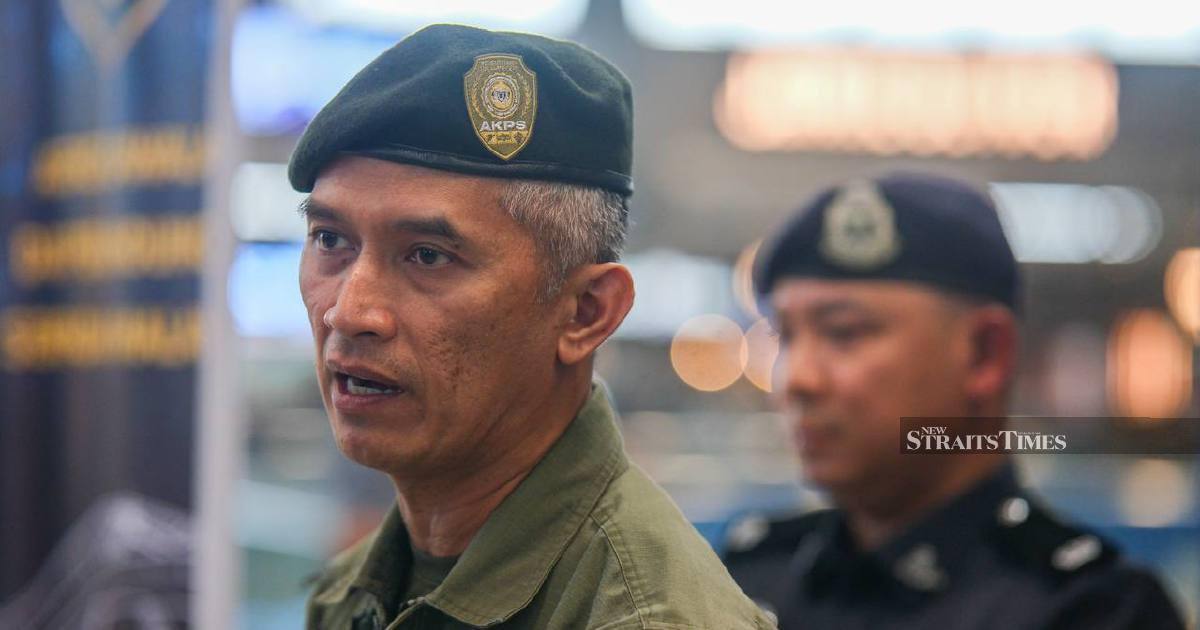
Investigators in Malaysia have stopped short of dismissing the possibility that counter-setting—a deceptive practice where legitimate cargo masks illegal contraband—played a role in the drug smuggling allegations against a Malaysia Airlines pilot currently detained in Indonesia, according to officials overseeing the cross-border inquiry.
The Malaysia Border Control and Protection Agency (MCBA), speaking through its leadership, has indicated that the investigation into the case remains fluid and that several theories continue to be examined. Rather than narrowing the focus of their inquiry, authorities are maintaining a broad investigative approach to understand how drugs may have entered the smuggling pipeline and whether established smuggling networks exploited legitimate aviation logistics to move narcotics across borders.
Counter-setting represents a sophisticated smuggling technique where contraband shipments are concealed within or alongside legitimate commercial goods or cargo movements. In the context of international aviation and border trade, this method allows criminal syndicates to leverage the established trust and streamlined processes afforded to legitimate carriers and logistics operators. For Malaysian border authorities, the technique poses particular challenges because it can operate within frameworks designed to facilitate rapid international commerce.
The case has drawn significant attention in Malaysia because of the profile of the arrested individual. Malaysia Airlines, the national carrier, maintains strict vetting and compliance protocols for its personnel. An involvement by pilot staff in drug movements would represent a serious breach of trust and operational security within the airline's supply chain and personnel oversight systems. Such breaches carry implications not only for the airline's reputation but also for broader questions about the vulnerability of Malaysia's aviation sector to infiltration by organised crime.
The Indonesian authorities, under whose jurisdiction the arrest was made, have been conducting parallel investigations. The involvement of multiple national jurisdictions complicates the inquiry, as different legal standards, investigative authorities, and evidentiary protocols must align. Malaysia's cooperation with Indonesian law enforcement has been framed as essential to understanding the full scope of the operation, particularly whether networks operating across both nations were involved in structuring the alleged smuggling scheme.
Counter-setting investigations require authorities to map supply chains, interview cargo handlers, examine documentation trails, and track the movement of goods across checkpoints. For Malaysia's border agencies, such investigations demand expertise in both traditional narcotics interdiction and supply chain forensics. The MCBA's hesitancy to exclude counter-setting from consideration suggests that preliminary evidence or investigative leads have warranted deeper examination of logistics networks connected to the arrested pilot's access or movements.
The implications for Malaysia's aviation and logistics sectors are considerable. If counter-setting networks have penetrated Malaysia Airlines' operations, questions will arise about compliance frameworks, personnel screening, and the efficacy of internal controls designed to prevent such breaches. Legitimate businesses and workers in Malaysia's aviation and cargo handling industries may face increased scrutiny at borders as authorities heighten their vigilance for signs of infiltration by smuggling networks seeking to exploit established commercial relationships and trusted operators.
Regionally, the case exemplifies the transnational nature of drug smuggling operations, which frequently exploit the asymmetries between nations' enforcement capabilities and the bureaucratic complexities of cross-border cooperation. Indonesia, Malaysia, and other Southeast Asian nations have all faced challenges in disrupting well-funded smuggling organisations that possess sophisticated knowledge of border procedures, officer vulnerabilities, and the technical capacity to integrate illegal movements within legitimate trade flows.
From a strategic perspective, the case underscores the importance of intelligence sharing and joint task forces in combating organised crime at borders. The MCBA's continued openness to the counter-setting hypothesis suggests that Malaysian investigators are pursuing leads that may extend beyond the arrested individual to implicate broader networks or operational methods. Such investigations, when successful, can yield valuable intelligence about how smuggling organisations structure their operations and identify systemic vulnerabilities in border and supply chain security.
The statement that conclusions remain premature indicates that the investigating agencies are still in evidence-gathering phases. Releasing findings prematurely, or publicly ruling out investigative angles, risks either compromising ongoing inquiries in Indonesia or signalling to other members of suspected networks that particular methods or vulnerabilities have been identified and are now under heightened scrutiny. This deliberate ambiguity, while sometimes frustrating to the public and media, reflects standard investigative caution.
For Malaysian citizens and businesses, the case serves as a reminder of the persistent threat posed by international drug trafficking networks that seek to corrupt officials, infiltrate supply chains, and exploit the infrastructure of legitimate commerce to move contraband. The border agency's commitment to thorough investigation, even as conclusions remain uncertain, reflects the institutional determination to address these threats comprehensively and to understand not merely the immediate arrest but the operational networks and vulnerabilities that enabled the alleged smuggling to occur.

