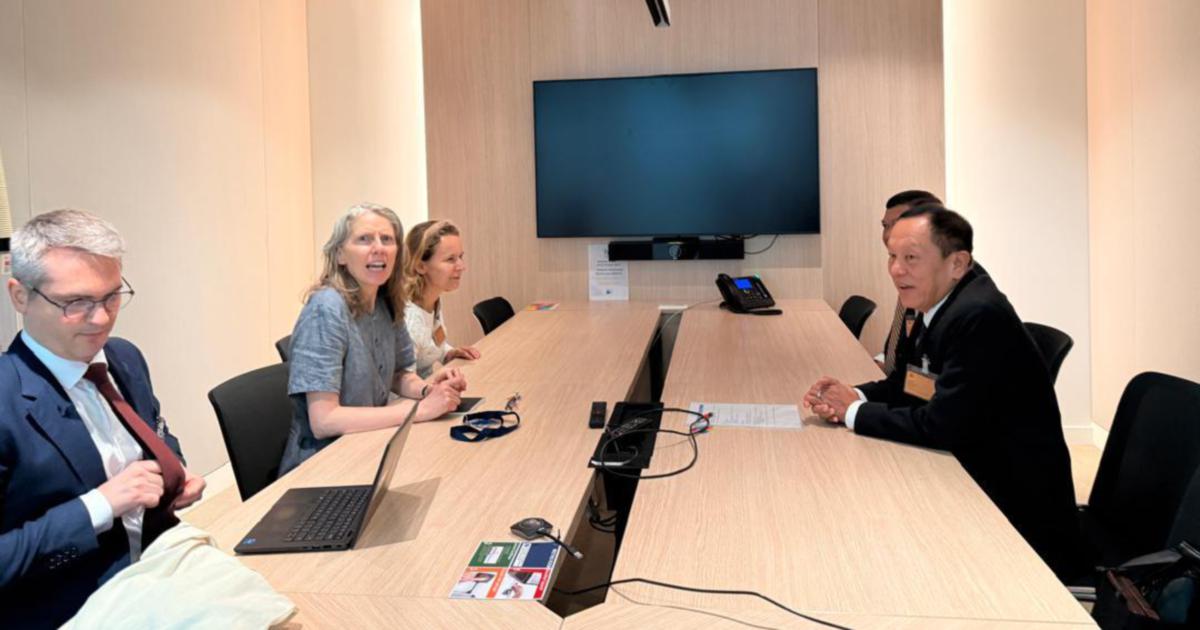
Malaysia has brought its hard-won experience in recovering assets tied to the 1Malaysia Development Bhd scandal to an international anti-corruption forum, presenting lessons learned from one of the world's largest financial crimes at an Organisation for Economic Co-operation and Development gathering in Paris.
The move underscores Malaysia's shift from being at the centre of a massive corruption scandal to becoming a recognised voice in global efforts against bribery and asset misappropriation. The 1MDB case, which saw billions of dollars siphoned off through an elaborate web of shell companies and international transfers, has given Malaysian authorities unprecedented insight into the mechanics of cross-border financial crime and recovery techniques.
The Malaysian Anti-Corruption Commission (MACC) presented its work at the OECD forum, drawing on experiences that have reshaped the country's approach to detecting and preventing large-scale corruption. The presentation reflects the institutional learning that has occurred since investigations began into the sovereign wealth fund, which was established in 2009 with ambitious development goals but became instead a vehicle for embezzlement and money laundering.
Recovering assets from the 1MDB case has proven extraordinarily complex, involving coordination between multiple jurisdictions, financial intelligence units, and law enforcement agencies across continents. Money traced from the fund passed through Singapore, Switzerland, the United Arab Emirates, and numerous other countries before being concealed in real estate, artwork, and other high-value assets. Each recovery required detailed forensic analysis, legal proceedings in foreign courts, and sustained diplomatic engagement.
For Southeast Asian nations facing similar challenges, Malaysia's experience offers practical guidance on navigating the international legal frameworks that govern asset recovery. Many countries in the region struggle with corruption cases that involve transnational elements, making Malaysia's documented approach particularly relevant to regional anti-corruption efforts and capacity-building initiatives.
The presentation at the OECD forum, which focuses on anti-bribery practices among developed and developing economies, positions Malaysia within a global context of corruption-fighting nations. By sharing its recovery methodologies, Malaysia contributes to international standards while simultaneously demonstrating that despite setbacks, the country possesses institutional capacity to address high-level financial crime.
The involvement of MACC in international forums also highlights the agency's transformation and enhanced authority following various institutional reforms. The commission has expanded its investigative reach, improved its financial intelligence capabilities, and strengthened relationships with international counterparts—changes that were catalysed by the scale and international dimensions of the 1MDB investigation.
Asset recovery from the 1MDB case has yielded significant sums, though the total remains a fraction of what was misappropriated. Malaysia has recovered funds through negotiated settlements with several countries and through legal proceedings, while some assets remain subject to ongoing claims. The incomplete recovery underscores the challenge of tracing and retrieving funds that have been deliberately obscured and distributed across multiple jurisdictions with different legal systems.
The OECD platform provides Malaysia with an opportunity to strengthen bilateral relationships with other nations' anti-corruption authorities while advocating for international mechanisms that facilitate faster asset recovery. Many countries face analogous situations where recovered assets become entangled in protracted legal processes, and Malaysia's participation in these discussions can influence how international anti-corruption cooperation develops.
Beyond asset recovery mechanics, Malaysia's presentation likely addresses the preventive measures that have been strengthened since the 1MDB revelations. Enhanced oversight of sovereign wealth funds, improved corporate governance requirements for state-linked entities, and revised anti-money laundering regulations represent systemic responses that extend beyond punitive approaches. These preventive frameworks are increasingly relevant as international anti-corruption bodies emphasise deterrence over purely reactive enforcement.
The presentation also carries implications for Malaysia's international reputation and standing within the developed-economy-dominated OECD framework. While OECD membership is limited to wealthy nations, Malaysia participates in various working groups and initiatives, and demonstrating expertise in corruption-fighting enhances its credibility and influence in these spaces.
For Malaysian investors and businesses operating internationally, the country's prominence in global anti-corruption discussions signals improved governance environments and reduced regulatory risk. International partners and investors increasingly assess countries not merely by their corruption indices but by their demonstrated capacity to investigate, prosecute, and recover assets from large-scale financial crimes.
Moving forward, Malaysia's continued engagement with international anti-corruption forums will likely focus on translating lessons from the 1MDB case into sustainable institutional practices and regional capacity-building initiatives. The presence of Malaysian experts at global platforms establishes pathways for knowledge exchange that benefit not only Malaysia but also neighbouring countries working to strengthen their own financial crime detection and prevention capabilities.

