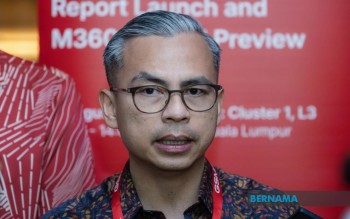
Malaysia has been selected to host M360 ASEAN 2026, marking a significant recognition of the country's growing prominence in the region's technology landscape. The conference, organised by the GSMA and set for September 9 and 10 in Kuala Lumpur, represents both a first-time event for Malaysia and a inaugural gathering for ASEAN as a collective bloc. Communications Minister Datuk Seri Fahmi Fadzil highlighted the strategic importance of this selection, noting that it positions the nation as a credible convener for discussing the future trajectory of digital development across Southeast Asia.
The M360 ASEAN 2026 conference will serve as a critical nexus for regional stakeholders navigating the rapidly evolving digital ecosystem. By assembling industry operators, technology vendors, subject-matter experts, institutional investors, academic researchers and government officials from across the ASEAN community, the event creates a rare opportunity for collective dialogue on matters of existential importance to the region's economic future. For Malaysian delegates and businesses, the hosting role provides unparalleled access to regional decision-makers and influential figures shaping the technology sector's development.
The economic implications of this regional focus are substantial. According to GSMA analysis, mobile technologies and services are projected to contribute US$1.4 trillion to the Asia-Pacific economy by 2030, representing a 40 per cent increase from the current US$1 trillion baseline. This trajectory underscores the centrality of telecommunications and digital infrastructure to regional prosperity. Malaysia's role as conference host places it at the centre of discussions about capturing and maximising these economic opportunities, particularly through policies and partnerships that attract investment and foster innovation.
Artificial intelligence emerges as one of the defining issues that M360 ASEAN 2026 will address. The rapid proliferation of AI capabilities has created both extraordinary opportunities and significant governance challenges for Southeast Asian nations. Malaysia, which has been developing its own AI strategy and regulatory framework, stands to benefit from comparative insights with neighbouring countries facing similar implementation questions. The conference platform will enable Malaysian policymakers to learn from regional peers and international experts while showcasing the nation's own approach to responsible AI deployment.
Connectivity expansion represents another central pillar of the conference agenda. Despite significant progress in recent years, digital connectivity remains unevenly distributed across ASEAN, with rural and remote areas still underserved. The gathering will facilitate discussions on bridging these infrastructure gaps, sharing best practices in network deployment, and identifying financing mechanisms for connectivity projects. For Malaysia, which has undertaken substantial investment in digital infrastructure through initiatives like the National Fibre Backbone programme, the hosting role provides an opportunity to share lessons learned and cement its reputation as a model for regional digital development.
Digital trust has emerged as a critical concern for the region's technology sector. Cybersecurity threats, data privacy concerns, and questions about the governance of digital platforms have eroded public confidence in digital systems across Southeast Asia. The M360 ASEAN 2026 conference will provide a forum for addressing these trust deficits through policy dialogue, technical standard-setting, and cross-border cooperation mechanisms. Malaysia's experience in balancing innovation with consumer protection offers valuable insights for regional peers grappling with similar regulatory challenges.
The resilience of digital infrastructure has assumed heightened importance in a geopolitical context characterised by supply chain vulnerabilities and strategic competition over technology standards. ASEAN nations have recognised that overdependence on external suppliers for critical digital infrastructure poses risks to their economic autonomy and security. The conference will facilitate regional discussions on developing more robust, diversified, and resilient infrastructure ecosystems that reduce vulnerability to external shocks or coercion.
Digital sovereignty represents perhaps the most contentious theme likely to surface at M360 ASEAN 2026. Southeast Asian governments have increasingly sought to assert control over digital services and data flows within their borders, establishing local data centres, implementing content regulations, and developing indigenous technology capabilities. Malaysia has been at the forefront of these discussions, balancing openness to foreign investment with assertions of regulatory authority. The conference will provide a platform for regional governments to compare notes on digital sovereignty approaches and coordinate where feasible.
The selection of Kuala Lumpur as the inaugural ASEAN host venue for M360 reflects confidence in Malaysia's institutional capacity and technological maturity. The city has developed substantial conference infrastructure and expertise in hosting major international technology gatherings. This selection also carries symbolic weight, positioning Malaysia as a responsible steward of regional dialogue on technology governance issues and affirming its commitment to ASEAN digital integration.
For Malaysian businesses and entrepreneurs, the conference creates networking opportunities and market visibility on a regional stage. Local technology firms, telecommunications operators, and AI-focused startups will have opportunities to showcase their capabilities to investors, partners and potential customers from across Southeast Asia. The heightened international attention and investment interest typically generated by such events can catalyse business expansion and attract additional venture capital to the Malaysian technology ecosystem.
The hosting role also places obligations on Malaysia to demonstrate leadership in implementing the policy recommendations and collaborative frameworks that emerge from M360 ASEAN 2026. As the conference convener, Malaysia will be expected to champion regional initiatives addressing the four converging priorities of AI governance, digital trust enhancement, infrastructure resilience, and digital sovereignty. This leadership position can strengthen Malaysia's influence in ASEAN technology discussions and enhance its reputation as a progressive, forward-thinking nation in the digital realm.
Looking ahead, M360 ASEAN 2026 represents a pivotal moment for regional technology governance. The conference will occur at a critical juncture when ASEAN nations are still developing their regulatory frameworks for emerging technologies. By hosting this gathering, Malaysia has positioned itself to shape regional norms and standards during this formative period. The discussions and partnerships forged during the conference are likely to influence technology policy across Southeast Asia for years to come.

