The Malaysian government is casting a wide net for industry input as it shapes its approach to boosting local products and reducing the nation's dependence on imports. Datuk Armizan Mohd Ali, the Domestic Trade and Cost of Living Minister, has called on all stakeholders to submit proposals and recommendations that will help ensure government policies truly reflect the practical needs and concerns of domestic businesses and manufacturers.
This consultation drive comes as the administration has established a high-level Cabinet Committee dedicated to empowering the use and purchase of local products, an initiative that reflects broader concerns among domestic entrepreneurs about the deluge of foreign goods flooding Malaysian markets, both through traditional retail channels and increasingly through e-commerce platforms. The committee, chaired by Deputy Prime Minister Datuk Seri Fadillah Yusof with the Domestic Trade Ministry acting as secretariat, held its inaugural meeting recently and represents a significant effort to move beyond fragmented government initiatives toward a coordinated national strategy.
One of the fundamental problems the committee aims to address is the siloed nature of how different government agencies have historically approached supporting local industries. By bringing together the Ministry of Economy, the Ministry of Investment, Trade and Industry, the Ministry of Tourism, Arts and Culture, the Ministry of Entrepreneur Development and Cooperatives, the Finance Ministry, and various related agencies under a single coordinating structure, officials hope to create synergies and eliminate overlapping or contradictory policy directives that may have hindered previous efforts.
Armizan emphasised that this integrated approach is essential for formulating coherent directions, strategies, and methodologies that incorporate not just government thinking but genuine insights and suggestions from the business community itself. The invitation for feedback signals a shift toward more inclusive policymaking, acknowledging that bureaucrats alone cannot effectively determine what local manufacturers and entrepreneurs actually require to compete successfully against imported alternatives.
The concerns driving this initiative are substantial and growing. Local business owners worry increasingly about the competitive pressures they face from imported products, particularly those marketed through online platforms where foreign retailers can reach Malaysian consumers directly with minimal regulatory friction. This situation has prompted calls for more assertive government action to level what many perceive as an unequal playing field, where international suppliers enjoy advantages that domestic competitors struggle to match.
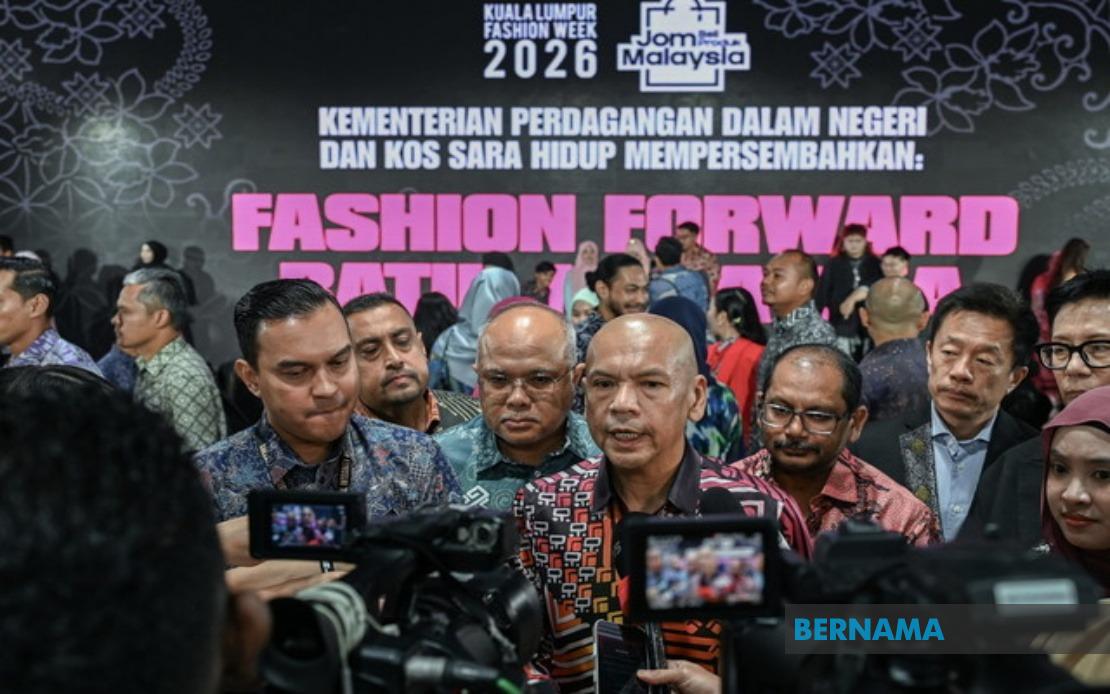
To demonstrate government commitment to this agenda, Armizan highlighted the strategic partnership between the Domestic Trade Ministry and the Kuala Lumpur Fashion Week, positioning the event as a crucial platform for elevating local products onto the global stage. The fashion week's Fashion Forward Batik segment exemplifies how traditional Malaysian cultural products can be commercialised and internationalised, creating commercial opportunities for designers, manufacturers, and artisans while simultaneously strengthening Malaysia's cultural brand positioning in world markets.
The previous edition of the fashion week generated USD32 million in measured media value, a figure that underscores the significant commercial and promotional potential of such platforms when leveraged effectively. This achievement demonstrates that Malaysia's creative industries can command international attention and purchasing interest, provided that domestic products receive adequate visibility and positioning within high-profile promotional vehicles.
Furthermore, the broader cultural and creative industries sector represents a substantial economic contributor to the national economy. According to the 2024 Cultural and Creative Satellite Account Report, the sector contributed RM130.7 billion to gross domestic product, representing 6.8 per cent of total GDP. This substantial contribution reinforces the strategic importance of supporting domestic producers within these sectors, as growth here yields meaningful macroeconomic benefits beyond simply assisting individual entrepreneurs.
The government's Jom Beli Produk Malaysia movement serves as the overarching framework within which these various initiatives are being coordinated. This movement encourages Malaysian consumers to consciously choose domestically manufactured goods and services, reflecting a philosophy that consumer preference patterns can meaningfully shift when awareness, access, and trust in local products increase. Strategic partnerships with high-profile events like the fashion week help translate this philosophy into concrete commercial opportunities.
For Malaysian businesses and entrepreneurs, the opportunity to provide feedback to government policymakers represents a rare and valuable channel for influencing the regulatory and support environment in which they operate. Those in sectors ranging from fashion and textiles to food production, manufacturing, and other industries can now submit detailed observations about barriers they face, competitors' advantages, government support gaps, and potential policy solutions that could materially improve their competitive positions.
The timing of this consultation also reflects recognition that Malaysia's economic model must continue evolving to maintain competitiveness and create high-quality employment opportunities. Heavy reliance on imported consumer goods represents a net outflow of capital and a lost opportunity for domestic value creation and job generation. Conversely, a more robust domestic production ecosystem could contribute substantially to employment, skills development, and regional economic dispersion, as local manufacturers typically operate across multiple geographic locations.
Regional competitors including Indonesia, Thailand, and Vietnam have similarly pursued policies promoting domestic consumption and local product prominence, sometimes with varying degrees of success. Malaysia's approach appears designed to learn from these neighbouring experiences while adapting strategies to local market conditions, demographic preferences, and competitive advantages. The Cabinet Committee structure suggests a serious long-term commitment to this agenda rather than a temporary or purely rhetorical initiative.
As the consultation process unfolds and the Cabinet Committee deepens its work, Malaysian businesses and policymakers will likely see more concrete proposals emerging around trade protection, procurement preferences, quality certification standards, and promotional support for local products across multiple sectors. The success of this effort will ultimately depend on whether government can genuinely incorporate stakeholder input into workable policies while maintaining competitiveness and consumer choice.

