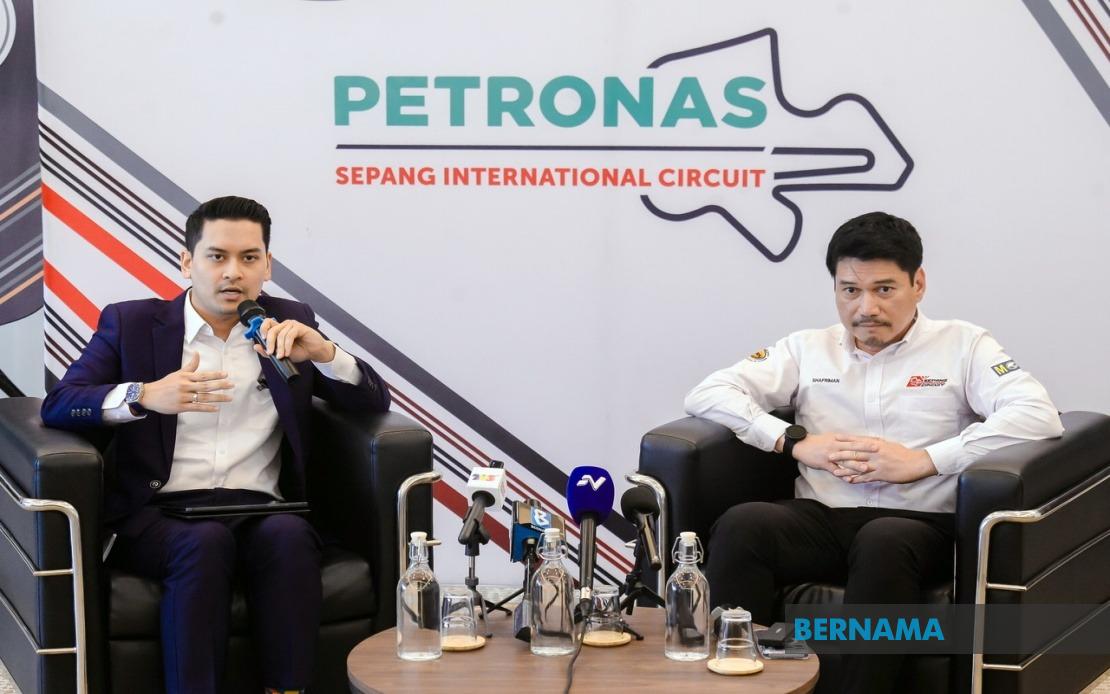
Malaysia has extended its Motorcycle Grand Prix hosting arrangement through 2031, cementing the nation's position as a premier motorsport destination in the Asia-Pacific region. Youth and Sports Minister Dr Mohammed Taufiq Johari announced the five-year extension at the Sepang International Circuit, noting that cabinet approval has already been granted. The new agreement commences in 2026, following the conclusion of the current contract this year, providing continuity for one of Asia's most significant racing events.
The contract renewal represents more than a simple administrative formality. Government officials have framed the extension as a deliberate strategic calculation aimed at preserving Malaysia's competitive advantage within the global motorsport landscape. The announcement underscores the administration's determination to leverage sporting infrastructure and international events as catalysts for broader economic development and positioning within the region.
The financial implications underscore why policymakers regard MotoGP as crucial infrastructure investment. An economic impact assessment of the 2024 edition revealed the event generated approximately RM694 million in overall economic benefit across multiple sectors. Beyond the headline figure, the event supported over 4,400 employment opportunities during the racing period, indicating substantial labour market effects beyond permanent positions. The return on investment ratio of 6.3 times demonstrates that government expenditure on hosting fees delivers measurable economic multiplier effects across the economy.
These benefits extend throughout Malaysia's service economy. The tourism sector experiences direct demand surges from international spectators, teams, media personnel and associated entourages descending on Sepang. Hospitality providers, including accommodation establishments and food service operators, capture spending from visitors. Transportation networks—both ground logistics and aviation services—experience increased utilisation. Small and medium enterprises operating within supply chains supporting the event gain revenue opportunities. This cascade of spending distinguishes major sporting events from other forms of infrastructure investment by creating diffuse economic opportunities rather than concentrated benefits.
Beyond immediate revenue generation, the government identifies motorsport development as a strategic priority aligned with broader industrial policy objectives. Malaysia's motorsport ecosystem encompasses vehicle manufacturing, component suppliers, technical services and racing talent development. Maintaining a world-class racing event on domestic territory creates competitive pressure and aspirational benchmarks for local operators whilst providing demonstration opportunities for international partners considering regional investments.
The Malaysian Motorsport Development programme exemplifies how major events create feedback loops supporting talent advancement. Two riders developed through this structured pathway—Hakim Danish and Qabil Irfan—have progressed to international competition, validating the investment logic. Success stories of homegrown competitors generate grassroots interest, encouraging younger participants to pursue motorsport careers and supporting educational institutions offering motorsport-related training.
The Sepang International Circuit itself has undergone significant evolution since first hosting MotoGP in 1999. Malaysia's initial exposure to the world championship occurred in 1991 at a different venue, but the relocation to Sepang represented a major infrastructure modernisation. Over subsequent decades, the circuit expanded its facilities and increasingly attracted international event organisers across multiple racing categories. The MotoGP contract provides revenue stability and justifies ongoing capital investment in maintaining world-class facilities.
From a regional perspective, Malaysia's continued hosting of MotoGP reinforces Southeast Asia's emergence as a motorsport hub. Thailand, Indonesia and Singapore operate or develop competing racing venues, creating a regional motorsport ecosystem that attracts teams, manufacturers and talent development investment. Malaysia's MotoGP securing until 2031 signals competitive resilience within this landscape and may influence other regional sporting event hosting decisions.
The five-year extension also reflects considerations about sporting event stability from series operators' perspectives. MotoGP organisers value predictable calendars and established circuits, allowing teams to plan resource allocation across a known championship season. Frequent venue changes create logistical complications and increased costs, making host countries that commit to extended commitments more attractive to international sports governing bodies.
Looking forward, the contract extension enables Malaysian authorities to undertake longer-term planning around event infrastructure and associated development initiatives. Environmental considerations, crowd management capabilities and emergency response procedures can be integrated into broader urban planning affecting Sepang and surrounding regions. The predictability encourages private sector investment in hospitality, transportation and commercial ventures dependent on tourism flows during race periods.
The cabinet approval process itself carries significance within Malaysia's federal governance structure. Sporting event hosting arrangements typically require coordinated support across multiple ministries including sports, tourism, transport and local government. The formal approval signals alignment of priorities across the administration, reducing risks of policy reversals that sometimes affect event hosting arrangements in different countries.
For Malaysia's international positioning, maintaining premier sporting event hosting capacity contributes to soft power objectives and global reputation building. Countries hosting world-class sporting events enhance their perceived development status and international standing. Annual global television coverage of MotoGP races from Sepang provides sustained visibility and reinforces Malaysia's image as a technologically capable, modern nation capable of managing complex international operations.

