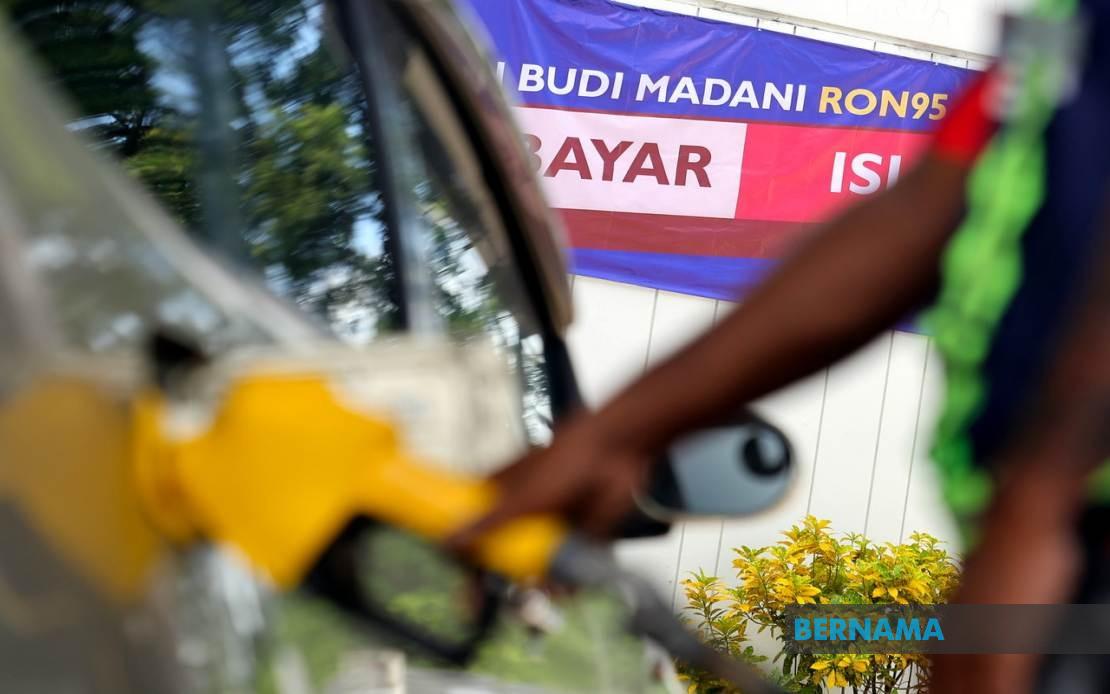
Prime Minister Datuk Seri Anwar Ibrahim has announced a significant reversal in fuel subsidy policy, restoring the monthly quota under the BUDI MADANI RON95 programme to 300 litres per motorist. The announcement, made during the National Day address at the Putrajaya International Convention Centre, signals the government's commitment to maintaining fuel affordability for millions of Malaysian drivers amid volatile international energy markets.
The restoration represents a major policy shift following concerns raised by the public and transport stakeholders over a planned reduction in subsidies. The decision will provide immediate relief to over 16 million registered users of the subsidised RON95 fuel scheme, ensuring they retain access to the fuller monthly allocation that many had come to depend upon for household and business transport needs. The price of subsidised RON95 remains pegged at RM1.99 per litre, unchanged since the subsidy framework was implemented.
The government had previously announced on March 26 that the BUDI95 quota would be cut from 300 litres to 200 litres monthly, effective from April 1, 2026. The planned reduction was attributed to global geopolitical tensions in West Asia, which had raised concerns about fuel price volatility and the fiscal sustainability of Malaysia's subsidy programme. That decision reflected the administration's initial assessment that budget constraints required a more restrictive approach to fuel subsidies despite widespread public pressure to maintain existing benefit levels.
Beyond the RON95 restoration, the government has also expanded support for diesel users. Over half a million eligible owners of diesel-powered commercial and utility vehicles, including pick-up trucks and jeeps, will now receive up to 400 litres of Budi Diesel monthly under the companion subsidy scheme. This recognition of the diesel sector's importance demonstrates an understanding that Malaysia's transport and agricultural economies depend heavily on affordable fuel for commercial operations.
The reversal underscores the political and economic sensitivity surrounding fuel subsidies in Malaysia. Energy costs directly influence inflation, transportation expenses, and the operational viability of small businesses and logistics operators. For families already managing tight household budgets, fuel subsidies represent a tangible form of government support that affects their ability to commute, conduct business, and maintain economic productivity. The decision to restore rather than reduce quotas reflects recognition of these realities.
From a fiscal perspective, the restoration represents a commitment to maintaining existing subsidy expenditure levels despite macroeconomic challenges. While precise budget figures were not detailed in the announcement, restoring the 300-litre quota reverses anticipated cost savings from the proposed reduction. This suggests the government has either identified alternative efficiency measures or determined that the social and economic costs of reducing subsidies outweigh the fiscal benefits of the cuts.
The timing of the announcement during National Day ceremonies carries symbolic weight, positioning fuel assistance as part of the government's broader social contract with citizens. The public visibility of the decision, delivered by the Prime Minister himself rather than through routine administrative channels, signals that this policy matter receives high-level political attention and reflects government priorities regarding cost-of-living pressures facing ordinary Malaysians.
The subsidy scheme's sustainability remains a longer-term policy question. Global oil prices, exchange rate fluctuations, and geopolitical developments will continue influencing the fiscal burden of maintaining fuel subsidies. However, the government's current posture suggests that near-term political and social considerations take precedence over budgetary constraints in determining subsidy levels. This approach carries implications for future energy policy flexibility should international circumstances significantly alter fuel price trajectories.
For regional context, Malaysia's targeted fuel subsidy scheme positions it differently from some neighbouring economies that have pursued more rapid subsidy reform. The BUDI95 and Budi Diesel programmes channel support directly to registered users rather than maintaining blanket subsidies at pumps, allowing the government greater precision in controlling expenditure while maintaining support for priority groups. The restoration of quotas demonstrates confidence in this framework's ability to balance affordability with fiscal management.
The decision also reflects ongoing debates within government about the appropriate role of subsidies in addressing cost-of-living challenges. Supporting fuel affordability helps maintain competitiveness for transport-dependent sectors, reduces inflationary pressures from energy costs, and provides tangible assistance to lower and middle-income households. Conversely, subsidy programmes create long-term fiscal commitments and may distort market signals about energy efficiency and pricing.
Looking forward, stakeholders including transport operators, logistics companies, and ordinary commuters will welcome the restored quota as providing greater certainty and stability in fuel budgeting. However, the government will likely continue monitoring international energy developments and fiscal implications, suggesting that future adjustments remain possible should circumstances warrant reassessment. For now, the restoration represents a definitive commitment to maintaining existing benefit levels and prices through the current policy cycle.

