Malaysia has made significant strides in coastal ecosystem restoration, with the Natural Resources and Environmental Sustainability Ministry announcing that approximately 3,965 hectares of mangrove forests have been recovered nationwide through an intensive planting initiative involving more than 9.3 million mangrove trees and complementary coastal species. The achievement underscores the government's strategic commitment to rehabilitating critical maritime habitats while supporting broader environmental sustainability goals across the nation.
The restoration efforts represent a substantial investment in Malaysia's environmental future. According to NRES Minister Datuk Seri Arthur Joseph Kurup, the government has committed RM71.3 million through 2025 specifically for mangrove and coastal species planting activities, encompassing establishment of new forests, ongoing maintenance operations, scientific research initiatives, systematic ecological monitoring, and community awareness campaigns. This substantial budgetary allocation demonstrates the scale of commitment required to reverse decades of mangrove habitat degradation in Southeast Asia.
Looking ahead, the government has secured an additional RM2 million allocation under the 13th Malaysia Plan for 2026 to extend mangrove conservation and preservation work across Peninsular Malaysia, Sabah, and Sarawak. This regional approach recognises that mangrove ecosystems present distinct ecological characteristics and restoration challenges across Malaysia's diverse coastal zones, from the Straits of Malacca to Borneo's maritime frontiers. The continued funding signals long-term institutional commitment rather than ephemeral environmental gestures.
The restoration programme operates as a complex collaborative framework involving multiple tiers of government forestry agencies. Forestry Peninsular Malaysia, the Sabah Forestry Department, the Sarawak Forest Department, and the Forest Research Institute Malaysia coordinate technical implementation across regions. This inter-agency structure aims to standardise best practices whilst accommodating regional ecological variations and governance structures unique to Sabah and Sarawak's constitutionally distinct environmental management authorities.
Non-governmental organisations and grassroots communities form essential pillars of the restoration strategy. Rather than treating mangrove conservation as a purely technocratic government function, the initiative recognises that long-term ecosystem sustainability depends on embedding environmental stewardship within local populations who directly interact with coastal habitats. NGO partnerships facilitate environmental education programmes, mobilise volunteer labour for planting activities, and establish community monitoring systems that extend government oversight capacity into remote coastal areas.
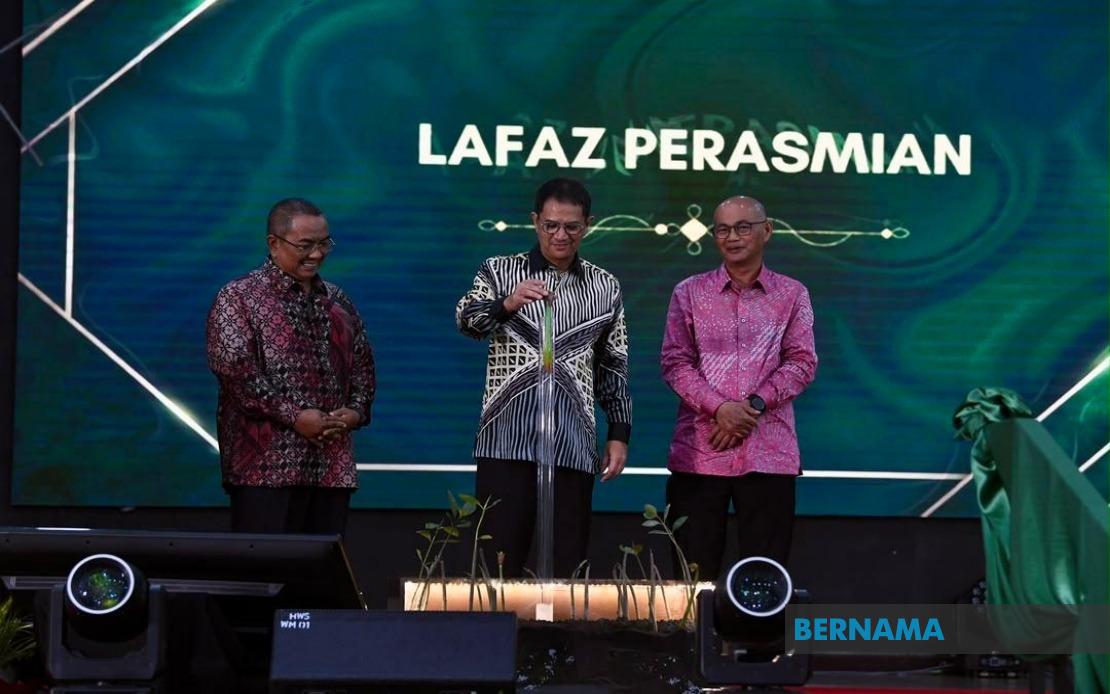
The initiative gained formal recognition through celebrations commemorating the International Day for the Conservation of the Mangrove Ecosystem 2026, held in Alor Setar under the thematic framework "Mangrove Ecosystems Towards Blue Economy Sustainability." This framing reflects contemporary environmental policy discourse linking ecological restoration to economic development, particularly the emerging concept of blue economy that positions sustainable maritime resource management as a growth engine for developing nations. Malaysian policymakers are positioning mangrove conservation not merely as environmental obligation but as economic investment with prospective returns through sustainable fisheries, carbon sequestration mechanisms, and climate adaptation resilience.
The National Mangrove and Coastal Ecosystem Seminar 2026, convened in conjunction with the official celebrations, facilitated knowledge exchange among researchers, technical specialists, government officials, and stakeholder organisations. The academic component included twelve research presentations, fifteen technical poster displays, and nine exhibition stalls showcasing contemporary mangrove management methodologies, field research findings, and conservation case studies. Such forums strengthen professional networks and disseminate evidence-based practices essential for improving restoration outcomes across disparate geographical contexts.
Mangrove ecosystems perform critical ecological services that extend far beyond their immediate coastal boundaries. These biodiverse forests provide crucial nursery grounds for commercial fish species, protecting larval and juvenile populations within tangled root systems whilst producing organic matter that sustains offshore food chains. Mangroves simultaneously offer physical protection against tidal surges and cyclonic storms, a service increasingly valuable amid climate change scenarios predicting elevated sea levels and intensified tropical cyclone activity. Carbon storage capacity in mangrove soils represents another significant ecosystem service, as these oxygen-depleted sediments accumulate organic material at rates exceeding terrestrial forest environments.
Malaysia's mangrove restoration efforts acquire particular significance within Southeast Asian conservation contexts. The region historically contained extensive mangrove coverage, yet aquaculture expansion, coastal infrastructure development, and timber harvesting have eliminated approximately three-quarters of original mangrove extent across Southeast Asia. Malaysia's restoration programme represents counter-current action within this regional trajectory of ecosystem loss. Successful mangrove rehabilitation in Malaysia potentially establishes replicable models for other Southeast Asian nations confronting similar restoration imperatives, from Indonesia's extensive mangrove degradation to Thailand's coastal ecosystem challenges.
The Kedah Royal presence at the ceremony, with Tengku Sarafudin Badlishah Ibni Sultan Sallehuddin officiating proceedings, reflected the political significance attributed to mangrove conservation at state and federal levels. Recognition ceremonies honouring NGO and community group contributions acknowledged grassroots actors whose sustained commitment proves essential for translating government policy into on-ground ecological outcomes. Such ceremonial acknowledgment potentially strengthens civil society motivation for continued environmental voluntarism.
Mangrove restoration initiatives intersect with Malaysia's international climate commitments and biodiversity preservation pledges. The country's Nationally Determined Contribution under the Paris Climate Agreement includes forest conservation and restoration targets, with mangrove ecosystems representing priority habitats for achieving stated carbon sequestration objectives. Similarly, Malaysia's obligations under the Convention on Biological Diversity require demonstrable progress in protecting and restoring threatened coastal ecosystems. The mangrove programme simultaneously addresses multiple policy commitments whilst generating measurable environmental outcomes quantifiable through reforested hectares and established tree populations.
The scale of restoration effort—9.3 million trees across 3,965 hectares—requires contextualisation within global mangrove challenges. Worldwide, mangrove forests continue declining despite recognised ecological and economic importance. Malaysia's committed investment positions the nation as a regional conservation leader, demonstrating that systematic government engagement combined with community participation can reverse habitat degradation trends. However, the restoration programme's long-term success ultimately depends on maintaining funding streams, preventing future mangrove conversion through regulatory enforcement, and embedding mangrove conservation within cultural values of Malaysian communities inhabiting coastal regions.

