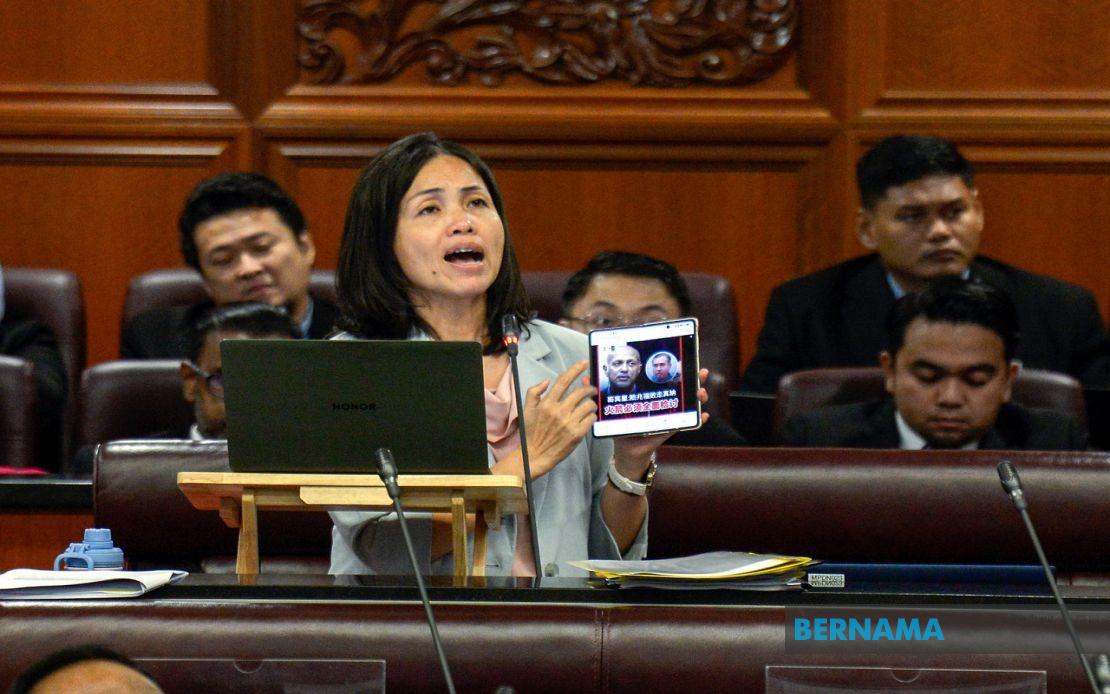
Malaysia's fight against online fraud is intensifying, with authorities removing nearly 100,000 pieces of scam content from social media platforms in just the first seven months of 2024. Deputy Communications Minister Teo Nie Ching revealed that 99,693 scam-related items had been deleted as of July 31, a figure that already surpasses the 98,503 content pieces removed throughout the entire previous year. This dramatic acceleration underscores the escalating challenge posed by digital deception across Malaysian social networks, where fraudsters increasingly exploit the connectivity that defines modern life.
The trajectory of content removal efforts reveals a troubling pattern of growth in online scams across Malaysia. In 2022, authorities removed just 242 scam-related posts, a figure that climbed to 6,297 the following year before jumping to 63,652 in 2024. The latest seven-month figure suggests that annual removals could potentially double compared to 2024, indicating either an explosion in fraudulent activity or a marked improvement in detection and enforcement capabilities—likely both. For Malaysian internet users, this volatility signals that the threat landscape continues to evolve faster than protective measures can keep pace, demanding constant vigilance when engaging with social platforms.
Teo made these remarks during the parliamentary debate on the Communications and Multimedia (Amendment) Bill 2026, legislation designed to equip authorities with stronger legal instruments to combat digital fraud and protect national security. The amendments introduce the National Universal Service Provision initiative, framed as essential infrastructure for safeguarding citizens in an increasingly interconnected digital economy. By providing the Malaysian Communications and Multimedia Commission with clearer statutory authority to support this initiative, the government aims to create a more coordinated response to online threats that transcend traditional enforcement boundaries.
The amendments address a critical institutional gap: the legal empowerment of the MCMC to implement directives related to network services and applications in pursuit of the NUSP initiative. This represents a shift toward proactive regulation of digital platforms, moving beyond reactive content removal to establish preventative frameworks. For Malaysian citizens and businesses operating in the digital sphere, these changes mean more aggressive platform monitoring, faster response times to fraud reports, and potentially stricter obligations on social media companies to cooperate with local authorities. However, such expanded powers also invite scrutiny regarding oversight and accountability.
Recognising these concerns, parliamentarians during the debate emphasised the necessity for transparency and clear criteria in implementing new national security determinations. Senator Datuk Seri Prof Dr Noor Inayah Ya'akub cautioned that expanded governmental authority must rest on explicit, objective standards rather than discretionary judgment, ensuring that regulatory decisions withstand public and judicial scrutiny. This perspective reflects growing regional anxiety about digital governance frameworks that, while intended to protect citizens, might inadvertently enable overreach or selective enforcement against particular groups or viewpoints.
The legislative package includes procedural safeguards designed to balance enforcement efficiency with individual rights. The government has established an Appeals Tribunal, chaired by a High Court judge, to review MCMC decisions and directives. Affected parties may escalate tribunal decisions to the courts for judicial review, creating a multi-layered appeal mechanism. These procedural protections aim to instil confidence that regulatory power, however expanded, remains subject to judicial constraints and cannot function unchecked. For Malaysian digital economy participants—from small e-commerce operators to social media users—these appeal pathways offer potential recourse against regulatory actions they believe unjustified.
Senator Sheikh 'Umar Bagharib Ali characterised the communications sector as strategic national infrastructure underpinning both digital economic development and public safety. This framing reflects a sophisticated understanding of how connectivity shapes economic opportunity and security simultaneously. Digital networks enable innovation, entrepreneurship, and financial inclusion while simultaneously facilitating fraud, disinformation, and criminal activity. Addressing this dual nature requires regulation that simultaneously protects and enables economic participation. The government's challenge lies in crafting enforcement approaches that dismantle criminal infrastructure without strangling legitimate digital commerce and expression.
The broader Southeast Asian context amplifies Malaysia's concerns. Cybercriminal syndicates operate across borders, using encryption, proxy servers, and jurisdictional complexity to evade enforcement. Scams originating in one nation frequently target victims in another, yet fragmented regulatory frameworks hamper coordinated responses. Malaysia's legislative initiative reflects recognition that unilateral action, while necessary, remains insufficient against transnational threats. Regional cooperation mechanisms and harmonised standards could enhance enforcement effectiveness, though achieving such coordination among ASEAN nations with varying regulatory philosophies and governance structures remains challenging.
The Communications and Multimedia (Amendment) Bill 2026 gained parliamentary approval following debate among fifteen senators, passing by majority voice vote following its earlier passage in the Dewan Rakyat on July 15. The legislation's two primary clauses amend Section 202 of the Communications and Multimedia Act 1998, fundamentally restructuring the legal basis for MCMC's operational authority. This amendment represents among the most significant regulatory evolution in Malaysia's digital governance framework in recent years, signalling the government's determination to prioritise online safety as a core policy objective.
For Malaysian citizens and businesses, these developments carry practical implications. Enhanced content moderation may reduce exposure to fraud, potentially protecting vulnerable populations—elderly citizens, recent internet adopters, and those with limited digital literacy—from scams that exploit trust and technical naiveté. Simultaneously, broader regulatory frameworks could affect digital innovation, platform operations, and online expression more broadly. Businesses relying on social media marketing must navigate stricter content scrutiny, while civil society actors must contend with an expanded government surveillance apparatus, even if theoretically constrained by appeals procedures.
The accelerating removal of scam content reflects Malaysia's acknowledgment that online fraud represents a systemic challenge requiring sustained governmental attention and investment. Yet the exponential growth in both fraudulent content and removal efforts suggests authorities remain perpetually reactive, chasing threats rather than preventing them. Educational initiatives teaching digital literacy and fraud recognition deserve equal emphasis with enforcement, empowering Malaysians to recognise and avoid scams before content reaches removal pipelines. The Communications and Multimedia amendments represent necessary but incomplete responses to digital fraud, requiring complementary strategies spanning consumer protection, platform accountability, and public awareness to meaningfully reduce vulnerability across Malaysian digital society.

