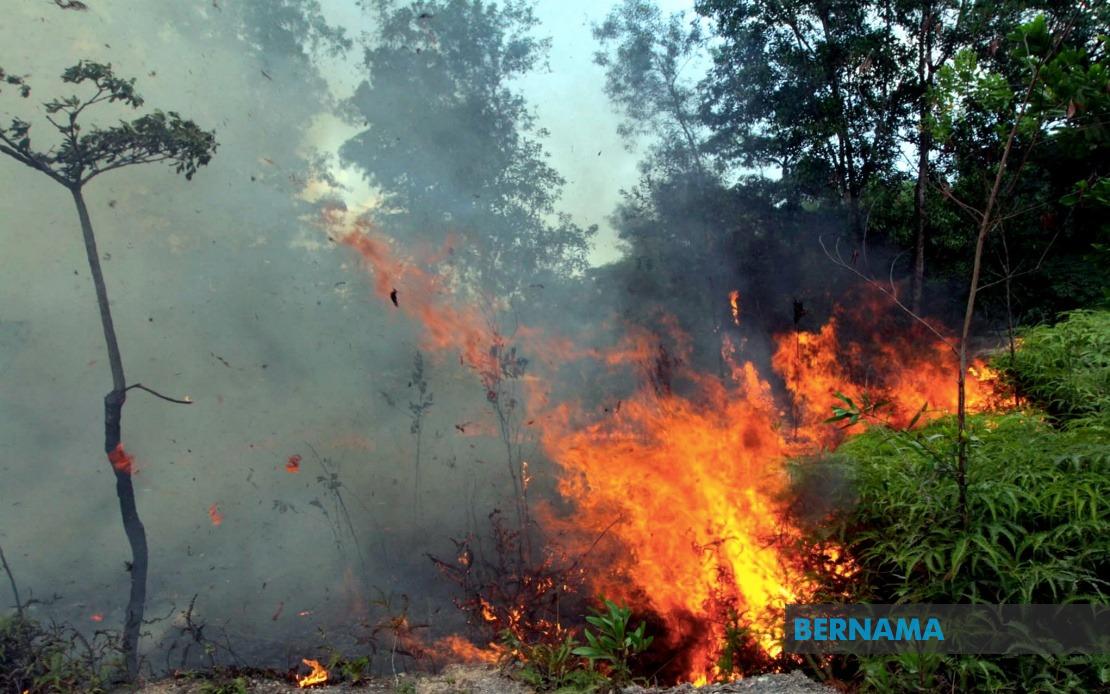
The Malaysian Fire and Rescue Department has sounded an alarm over a dramatic surge in open burning incidents, recording 18,432 cases across forests, shrubland and waste areas during the first seven months of 2024—nearly twice the 9,941 incidents logged during the corresponding January-to-July period in 2023. The figure also substantially exceeds the 16,294 cases documented for the same timeframe in 2024, pointing to an accelerating trend that is stretching the nation's firefighting resources and raising concerns about the capacity to respond effectively to major conflagrations.
Datuk Seri Nor Hisham Mohammad, director-general of the Malaysian Fire and Rescue Department (JBPM), revealed these figures at a public engagement after opening the Firefighting Skills Hub in Kuala Lumpur. The escalation has prompted the department to adopt a more targeted monitoring strategy, identifying 183 vulnerable locations nationwide based on five-year historical patterns. This proactive approach reflects a shift from reactive firefighting toward prevention and early intervention, a necessity given the resource constraints that plague emergency services across the region.
Among those 183 monitored zones, the situation is most acute in 62 locations classified as carrying high risk of large-scale fires capable of consuming more than 25 hectares. Such expansive blazes pose a strategic challenge to JBPM, as coordinating and deploying sufficient personnel and equipment across such areas proves operationally difficult and costly. The concentration of these dangerous sites across multiple states underscores a nationwide vulnerability rather than a localised problem, suggesting systemic factors driving the open burning phenomenon across diverse geographical and climatic zones.
The geographic distribution of incidents reveals patterns that reflect both environmental conditions and land-use practices. Sarawak has emerged as a particular hotspot, with major fires documented in Sri Aman and Mukah, regions where agricultural clearance and industrial logging activities create tinderbox conditions during dry seasons. Peninsular Malaysia, while recording a higher frequency of incidents, generally experiences smaller-scale fires—a distinction that may reflect different vegetation types, settlement densities, or burning practices between regions. Sabah presents a distinct challenge: its challenging terrain and dense vegetation create conditions where fires spread with alarming speed and resist containment efforts, making it another focal point for departmental oversight.
Kota Kinabalu emerged as a particularly concerning case study. Seven locations around the city recorded major fire incidents during 2024, and all seven have been incorporated into the department's 62 high-risk monitoring list. This clustering suggests either seasonal environmental factors specific to the region or recurring patterns in how land is managed and cleared. Understanding these localised dynamics becomes crucial for developing targeted prevention strategies rather than applying blanket national policies that may prove ineffective in specific contexts.
Weather remains a primary driver of open burning incidents. Nor Hisham identified elevated temperatures in various regions as a significant contributing factor to the surge, though he stopped short of attributing the increase solely to climate variables. Hot and dry conditions reduce moisture content in vegetation, making forest and shrubland susceptible to ignition and rapid fire spread. However, the twofold increase year-on-year suggests that escalating temperatures alone cannot fully explain the trend; behavioural factors, enforcement capacity, and land-use changes likely play complementary roles.
Looking ahead, the department is bracing for potentially worse conditions linked to the Super El Niño phenomenon. This climatic event, anticipated to manifest in the Pacific region in November, is projected to reach Malaysian shores around the third or fourth week of January next year, bringing with it drier conditions and elevated fire risk. JBPM is undertaking early preparatory measures informed by meteorological forecasts, positioning itself to respond to what could become a critical fire season if the phenomenon's effects materialise as anticipated. Such advance planning reflects lessons learned from previous El Niño events that have triggered catastrophic transboundary haze crises affecting multiple Southeast Asian nations.
The implications for Malaysia extend beyond immediate domestic fire management. The recurring open burning incidents, particularly those generating regional haze, carry diplomatic and health dimensions. Cross-border smoke affects neighbouring countries, straining diplomatic relations and triggering international criticism. Domestically, air quality degradation from open burning triggers public health concerns, particularly for vulnerable populations including children, the elderly, and those with respiratory conditions. Schools and businesses may be forced to close, productivity declines, and healthcare systems face additional strain.
The JBPM's identification of 62 high-risk zones represents a strategic acknowledgment that resources must be deployed intelligently rather than spread uniformly. Concentrating personnel, equipment, and monitoring capacity in these locations during high-risk periods offers a more efficient approach than attempting comprehensive coverage nationally. However, this concentration strategy also carries risk: if major fires occur simultaneously in zones outside the monitored cohort, response capacity may prove insufficient. The department must therefore balance targeted focus with maintaining baseline capacity across all regions.
Effective fire prevention requires coordination beyond the fire department. Land-use management, agricultural practices, logging regulations, and waste disposal policies all influence open burning frequency. Enforcement of existing prohibitions on open burning remains inconsistent across states and municipalities, with penalties often insufficient to deter offenders. Public education campaigns promoting alternative land-clearing methods have achieved limited success, suggesting that economic incentives or mandatory alternatives must be introduced to shift behavioural patterns.
The doubling of open burning cases within twelve months demands urgent policy review. While weather cycles explain some variation, the magnitude of increase suggests deeper issues requiring comprehensive action. Investment in firefighting infrastructure, particularly in remote areas where response times are lengthy, deserves priority. Training programmes for local communities in fire prevention and community-based suppression offer potential, as do technology solutions for early fire detection in vulnerable zones.
As Malaysia enters what could be a challenging fire season influenced by climatic patterns beyond immediate control, the urgency of preventive action becomes apparent. The 62 high-risk locations require not just departmental monitoring but coordinated interventions addressing root causes—whether agricultural clearing, waste disposal, or industrial activity. Without such comprehensive approaches, open burning incidents will likely continue their upward trajectory, overwhelming emergency services and inflicting broader environmental, health, and diplomatic consequences that extend far beyond Malaysia's borders.

