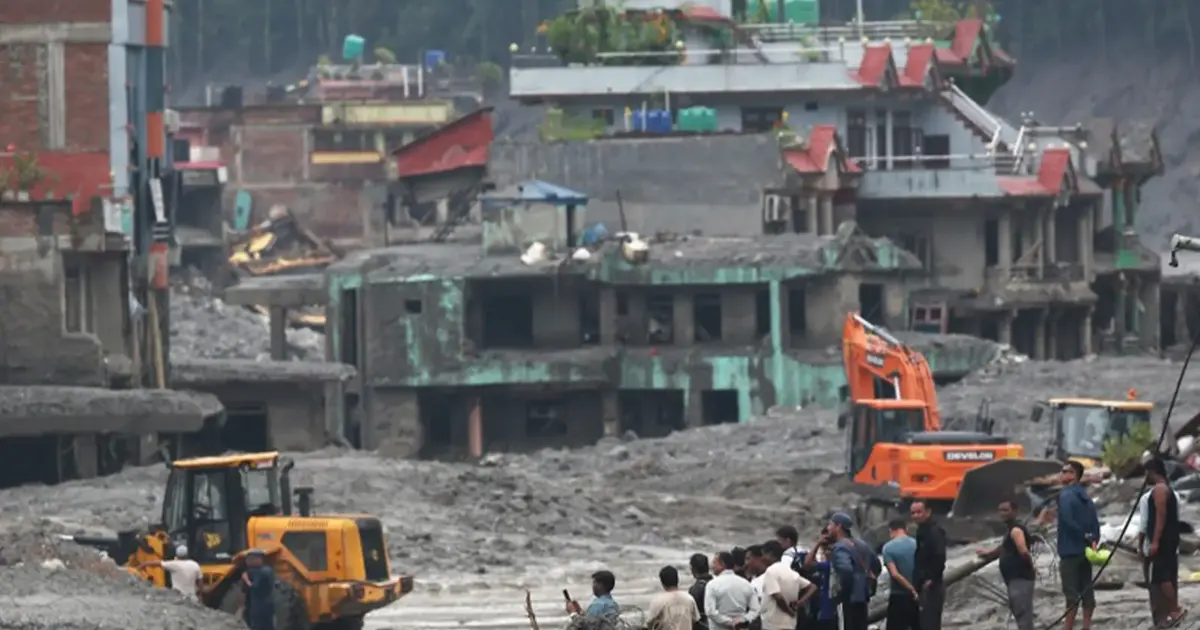
Prime Minister Anwar Ibrahim has confirmed that Malaysia will dispatch its SMART (Specially Mounted Able Response Team) to Nepal, with authorities working to expedite the deployment following high-level discussions with officials in Kathmandu. The announcement reflects Malaysia's commitment to regional humanitarian assistance and underscores the bilateral cooperation mechanisms that have developed between the two nations in recent years.
The SMART team represents Malaysia's specialized rapid-response capability, typically mobilized during natural disasters or large-scale emergencies. These units comprise trained personnel equipped with search and rescue expertise, medical personnel, logistics support, and specialized equipment designed for challenging environments. The deployment to Nepal indicates that Malaysian authorities have assessed a significant humanitarian need that warrants sending such specialized resources across regional boundaries.
Coordination efforts between Malaysia and Nepal have been characterised by both nations' diplomatic channels working in tandem to overcome logistical challenges inherent in international disaster response. Officials from Malaysia's relevant agencies—likely including the police force's specialized units and civil protection authorities—have been liaising directly with their Nepali counterparts to establish landing procedures, staging areas, and integration protocols. This administrative groundwork is essential for ensuring the team can operate effectively upon arrival without bureaucratic delays.
Nepal faces recurring disaster risks owing to its geography and climatic conditions. The nation sits in a seismically active zone, experiences monsoon-induced flooding and landslides, and has limited domestic capacity for rapid large-scale emergency response in remote mountainous regions. These structural vulnerabilities have made Nepal increasingly receptive to international technical assistance, and Malaysian teams bring specific expertise that complements local resources.
Malaysia's willingness to deploy specialized personnel reflects a broader strategic approach within Southeast Asia to build disaster resilience networks. Regional cooperation in this domain has intensified as climate change patterns increase the frequency and severity of extreme weather events affecting the wider Asia-Pacific zone. By establishing practical experience in cross-border operations, Malaysia strengthens its own operational capabilities whilst building diplomatic goodwill with partner nations.
The timeline for deployment remains flexible, dependent on logistical coordination and Nepal's specific requirements at the time of arrival. Prime Minister Ibrahim emphasized that all arrangements are being expedited to ensure Malaysian responders can contribute meaningfully during the critical initial phases of any emergency response effort. This reflects understanding that disaster response effectiveness often hinges on rapid mobilization during the first 72 hours following an incident.
From a regional perspective, Malaysian disaster assistance initiatives contribute to positioning the nation as a reliable security and humanitarian partner within South Asia. Nepal, whilst geographically closer to South Asian powers, has increasingly engaged with Southeast Asian nations on development and cooperation matters. The SMART team deployment represents practical demonstration of Malaysia's capacity and willingness to project assistance beyond traditional areas of engagement.
The coordination process also highlights evolving frameworks for international humanitarian response within Asia. Rather than ad-hoc interventions, many nations now maintain formal protocols for requesting and providing specialized assistance. Malaysia's engagement with Nepal through established diplomatic channels suggests both countries are operating within such structured arrangements, potentially through ASEAN regional mechanisms or bilateral agreements developed over prior interactions.
Malaysia's SMART teams have previously demonstrated their capabilities during domestic emergencies and have occasionally been made available for regional operations. The decision to deploy to Nepal reflects confidence in these units' ability to function effectively in unfamiliar terrain and coordinate with local authorities speaking different languages. Such deployment also provides valuable operational experience for the Malaysian responders themselves, enhancing their capacity to handle future complex emergencies.
For Nepal, receiving international specialized assistance acknowledges both the scope of challenges facing the nation and the practical benefits of regional cooperation frameworks. Rather than relying solely on domestic capacity or generic international aid, targeted deployment of technical specialists enables more effective response outcomes. The Malaysian team's arrival will complement efforts by Nepali authorities and other international partners potentially also contributing resources.
As preparations continue, the focus remains on ensuring the SMART team can integrate rapidly with existing Nepal emergency management structures and contribute meaningfully to relief, rescue, and recovery operations. Both governments recognize that effective international humanitarian response requires seamless coordination, clear communication, and mutual respect for operational sovereignty. The current timeline discussions between Malaysian officials and their Nepali counterparts reflect this collaborative mindset.

