Malaysia has initiated a coordinated diplomatic effort to secure compensation arising from the cancellation of its Naval Strike Missile system procurement deal with Norway's Kongsberg Defence & Aerospace AS, according to Defence Minister Datuk Seri Mohamed Khaled Nordin. The government's two-pronged approach involves both the Defence Ministry and Foreign Ministry in formally communicating Malaysia's position to the Norwegian government, underscoring the seriousness with which the administration is treating the dispute. This escalation to the ministerial level signals recognition that resolving the compensation claim requires more than routine commercial channels and demands intervention at the state-to-state level.
The decision to bring Norway's government into the negotiation framework reflects a strategic calculation by Malaysian officials. By formally notifying the Norwegian authorities of Malaysia's intentions, the Defence Ministry aims to position Oslo as a facilitating intermediary between Malaysian government representatives and Kongsberg Defence & Aerospace, a company with deep ties to the Norwegian defence establishment. This approach acknowledges the reality that military-industrial relationships in Scandinavian countries often involve close coordination between private contractors and their home governments, particularly when substantial international contracts face termination. The Foreign Ministry's involvement elevates the matter beyond a simple contractual dispute into a bilateral issue requiring diplomatic finesse.
Defence Minister Nordin stressed the government's commitment to resolving the matter expeditiously, noting that the issuance of formal notices from the outset was deliberate and purposeful. The Foreign Ministry has been tasked with writing to Norwegian counterparts to request their active role in facilitating negotiations between the Defence Ministry and Kongsberg. This structured communication ensures that Malaysia's claims are presented through official channels and allows the Norwegian government to understand the gravity and legitimacy of Malaysia's position. By engaging at this level, Malaysia hopes to leverage diplomatic relationships and Norway's interest in maintaining defence relationships with Southeast Asian countries to facilitate a negotiated settlement.
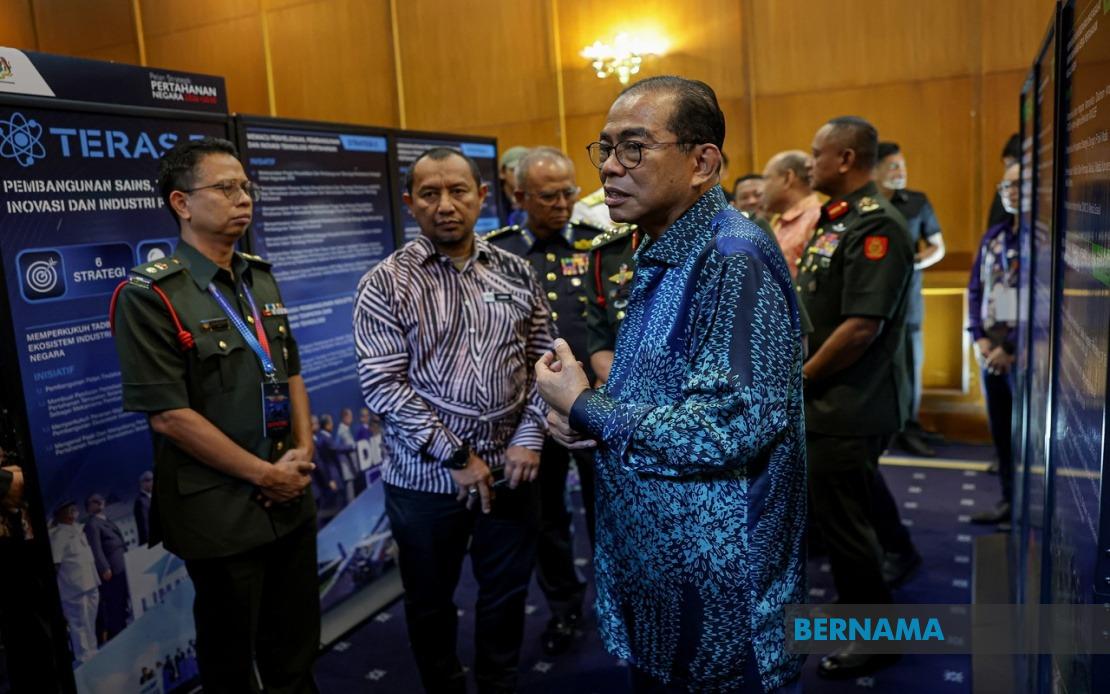
The timing of this diplomatic push becomes clearer when viewed against the backdrop of Malaysia's broader defence modernisation agenda. The Defence Ministry simultaneously launched the National Defence Strategic Plan and Defence Capability Blueprint 2026-2030, signalling an ongoing commitment to upgrading the country's military capabilities despite the setback from the NSM cancellation. This dual messaging—pursuing compensation while simultaneously outlining future defence investments—projects confidence in Malaysia's defence procurement processes and suggests that the government views this incident as an isolated issue rather than a systemic problem. The presence of Chief of Defence Force General Tan Sri Malek Razak Sulaiman at the strategic plan launch underscored unified institutional backing for the government's defence strategy.
Parliamentary scrutiny has already begun to shape the compensation recovery effort. The Public Accounts Committee received a special briefing from the Defence Ministry on the NSM situation and subsequently issued guidance urging the government to strengthen both mitigation and diplomatic efforts. The PAC's emphasis on pursuing "a fair resolution while safeguarding the country's fiscal sovereignty" reveals parliamentary concern about two interconnected issues: ensuring Malaysia recovers legitimate compensation without accepting unfavourable settlement terms, and protecting Malaysia's broader financial interests and independence in future defence dealings. This oversight reflects appropriate legislative vigilance over major defence expenditures and their consequences.
The NSM cancellation carries broader implications for Malaysia's defence procurement ecosystem and its relationships with international suppliers. Military contracts worth hundreds of millions of ringgit involve complex negotiations spanning years of planning, systems integration, and training preparations. When such arrangements are terminated—whether due to budget constraints, shifting strategic priorities, or changing political administrations—both parties typically incur substantial costs. Malaysia's decision to pursue compensation through diplomatic channels rather than international arbitration or litigation suggests confidence in negotiating a mutually acceptable outcome while preserving future defence relationships with Norway and other Scandinavian suppliers.
From a regional perspective, Malaysia's handling of this dispute merits attention from other Southeast Asian nations facing similar procurement challenges. Countries across the region routinely negotiate major defence purchases with European, Asian, and American suppliers, and contractual disputes are not uncommon. The Malaysian government's approach—combining formal diplomatic notification with ministerial-level coordination and parliamentary oversight—provides a template for managing such disputes while maintaining strategic relationships. Southeast Asian defence planners facing comparable situations can observe how Malaysia balances legitimate compensation claims against the imperative to preserve defence supplier relationships crucial for future regional security arrangements.
The involvement of the Foreign Ministry in a defence procurement dispute also highlights how modern military acquisitions transcend purely commercial or technical considerations. Defence contracts inherently involve matters of national sovereignty, strategic autonomy, and long-term capability development. When disputes arise, they require diplomatic sophistication to navigate successfully. Malaysia's decision to formally notify the Norwegian government acknowledges that Kongsberg Defence & Aerospace, despite being a private corporation, operates within a broader Norwegian strategic context and that addressing compensation claims effectively requires engaging that institutional ecosystem.
The path forward for Malaysia involves balancing multiple objectives simultaneously. Officials must recover legitimate compensation, avoid establishing precedents that could disadvantage Malaysia in future defence negotiations, preserve the possibility of working with Kongsberg or other Norwegian defence firms in subsequent procurements, and maintain the broader bilateral relationship between Malaysia and Norway. These competing considerations cannot all be maximised simultaneously; the government's diplomatic strategy will ultimately reflect the prioritisation of these various interests. Parliamentary oversight through the Public Accounts Committee suggests that recovery of compensation ranks high among government priorities, though without compromising Malaysia's fiscal sovereignty or strategic independence.
The Defence Ministry's emphasis on commitment to resolution suggests this matter will remain actively pursued over the coming months. Malaysia's preference for diplomatic negotiation rather than formal international legal processes indicates confidence in achieving reasonable outcomes through structured dialogue. Whether the Norwegian government's role as facilitator ultimately produces a settlement satisfactory to all parties will depend on the negotiating positions of Kongsberg Defence & Aerospace and Malaysia's Defence Ministry, but the formal diplomatic framework now in place provides the institutional foundation for productive negotiations.

