Malaysia's government has set an ambitious target to develop at least 1,000 MADANI Recreational Parks nationwide by 2030, marking a significant push to democratise access to quality recreational facilities across urban and rural communities. The initiative reflects a broader commitment to improving quality of life through publicly accessible green spaces strategically positioned within residential neighbourhoods, ensuring that Malaysians of all socioeconomic backgrounds can enjoy recreational amenities without significant travel burden.
As of early 2025, the National Landscape Department has already completed 216 such parks, with momentum accelerating this year as an additional 100 facilities enter construction phase. This steady progress suggests the department is on track with its deployment strategy, though delivering a thousand parks within five years would require a substantial increase in the pace of development. The phased approach indicates the government is balancing ambition with practical constraints around funding, land acquisition, and implementation capacity across multiple state jurisdictions.
Financial outlay for individual parks ranges between RM400,000 and RM500,000 per facility, a figure that reflects modest but thoughtful infrastructure investment. The cost variance depends on site dimensions and customised design requirements, allowing flexibility to accommodate geographical and demographic differences across Malaysia's diverse landscape. At average cost, reaching the thousand-park target would require approximately RM450 million in capital expenditure, a substantial but not prohibitive sum when spread across a five-year development cycle and shared among federal and state budgets.
The strategic placement of these parks within existing communities and residential zones addresses a critical urban planning principle often overlooked in developing nations: accessibility. By anchoring recreational infrastructure within walking distance of homes, the government reduces barriers to participation, particularly for families without private transport and elderly residents with mobility constraints. This community-centric approach contrasts with traditional park development that sometimes concentrates facilities in city centres, inadvertently excluding peripheral residents.
Design philosophy underpinning MADANI parks embraces universal design principles, a progressive framework ensuring usability across the entire demographic spectrum. Parks incorporate features accommodating children, teenagers, working-age adults, persons with disabilities, and senior citizens, reflecting recognition that recreational spaces must serve inclusive social functions rather than catering to narrow user groups. This inclusive orientation has particular relevance in an ageing Malaysia, where senior citizens represent a growing proportion of the population requiring accessible recreational options that support active, healthy lifestyles.
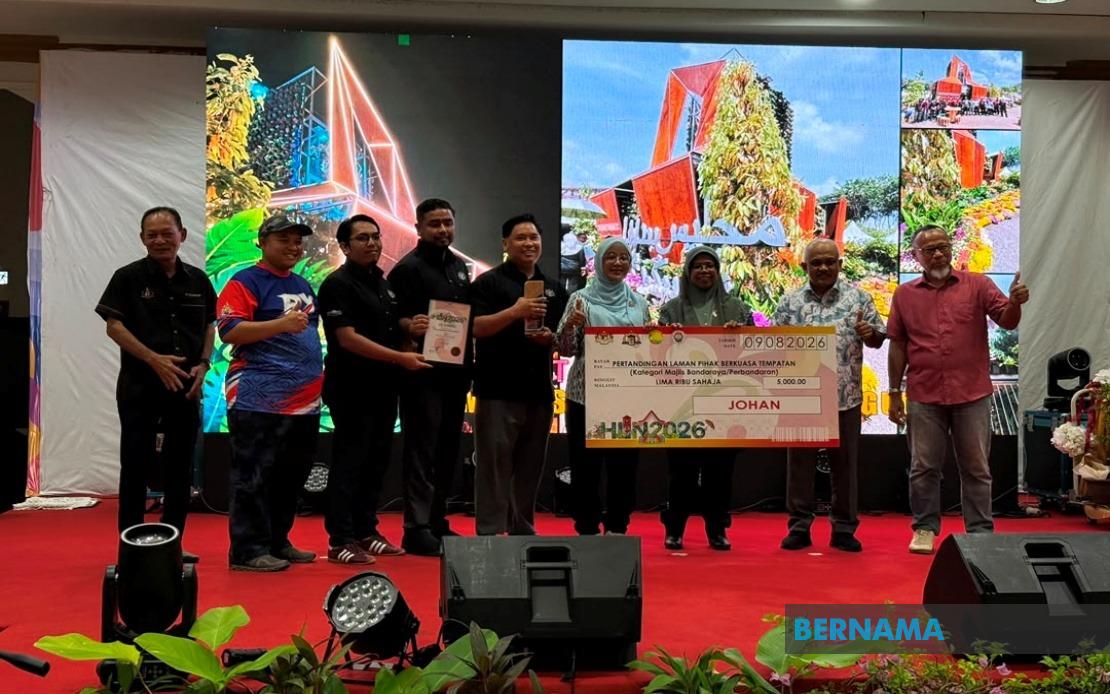
The National Landscape Day celebration in Melaka, which concluded in August, drew approximately 80,000 visitors across four days, demonstrating substantial public interest in landscaping initiatives and recreational development. Beyond celebrating achievement, the event functioned as a marketplace, providing landscape industry entrepreneurs visibility and sales opportunities while simultaneously building community awareness about green space benefits. Such celebrations serve dual functions: they legitimise government initiatives through public engagement whilst simultaneously supporting the broader landscaping industry ecosystem.
Deputy Housing and Local Government Minister Datuk Aiman Athirah Sabu's involvement in the ceremonial proceedings underscores inter-ministerial coordination required for park development, as recreational infrastructure intersects housing policy, local government administration, and urban planning portfolios. This coordination requirement reflects the complexity of landscape development, which involves multiple stakeholder layers including federal departments, state governments, local councils, and community organisations.
Continuation planning is already underway for next year's National Landscape Day celebration, with government officials identifying future venue locations and systematically gathering stakeholder feedback. This forward-planning approach suggests institutional commitment to sustaining momentum rather than treating current progress as a temporary initiative. Systematic feedback collection from communities, industry practitioners, and municipal authorities enables iterative improvement in park design and implementation processes.
For Malaysian residents, particularly those in underserved neighbourhoods, the MADANI parks initiative represents tangible infrastructure investment in quality of life. In an era where rapid urbanisation often crowds out recreational spaces, systematic government commitment to distributing parks across communities addresses environmental justice concerns whilst supporting public health through increased physical activity opportunities. The initiative also carries economic dimensions, as well-maintained public parks enhance property values and neighbourhood attractiveness, benefiting adjacent homeowners and strengthening community cohesion through shared recreational spaces.
Regionally, Malaysia's approach offers a model for Southeast Asian governments grappling with rapid urbanisation and recreational infrastructure gaps. The emphasis on modest-cost, community-embedded parks rather than expensive flagship facilities demonstrates a pragmatic philosophy suited to resource-constrained contexts. As other ASEAN nations face similar challenges around public space accessibility and urban livability, Malaysia's implementation experience and cost metrics could inform comparable initiatives across the region.
The timeline to 2030 provides a realistic but demanding implementation horizon. Success will depend on sustained political commitment beyond electoral cycles, efficient bureaucratic coordination, and community engagement ensuring parks meet actual recreational needs rather than top-down assumptions. The government's demonstrated progress to date, combined with systematic planning for future celebrations and stakeholder engagement, suggests institutional seriousness about achieving this target.

