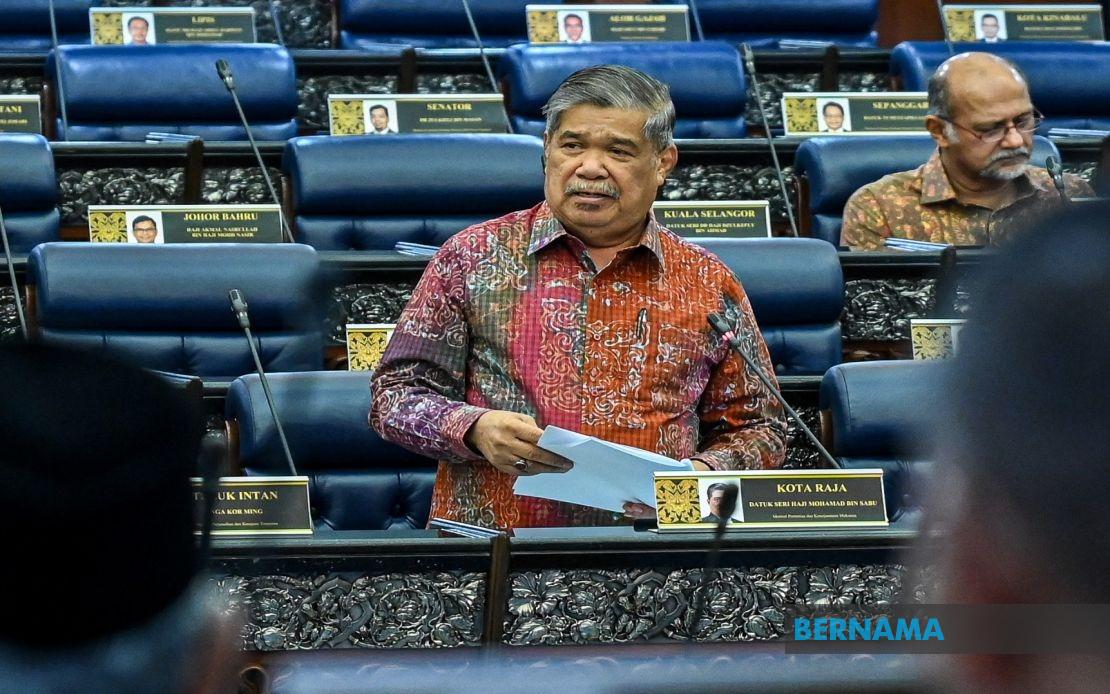
The Malaysian government has opened the door for unlicensed fishermen to transition into the formal fishing sector through a periodic regularisation programme designed to address licensing gaps. Datuk Seri Mohamad Sabu, the Agriculture and Food Security Minister, announced in Parliament that coastal fishermen operating without proper documentation can now submit applications to their respective District Fisheries Offices. This initiative represents a structured pathway for informal operators to gain legal status, a significant consideration in a region where many small-scale and traditional fishermen have historically struggled with compliance requirements.
The regularisation approach serves multiple policy objectives beyond simple licence issuance. By bringing unlicensed operators into the formal framework, the government aims to enhance compliance with fisheries regulations while simultaneously protecting the livelihoods of fishing communities dependent on marine resources. Once licensed, fishermen gain access to government assistance programmes, subsidies, and support schemes previously unavailable to them. This transition also strengthens data collection and resource management efforts, allowing the Fisheries Department to better monitor catch volumes, fishing grounds, and sustainability metrics across Malaysian waters—critical information for managing fish stocks that support both commercial and subsistence fishing.
The programme operates on a merit-based system with clearly defined eligibility criteria designed to ensure licences reach genuine fishermen rather than speculators or businesses using fishing permits for other purposes. Applicants must be at least 18 years old, in good health, and demonstrate active engagement in fishing as their primary occupation. Financial constraints are also considered; pensioners applying for licences must prove their pension income does not exceed RM2,200 monthly, indicating the scheme prioritises those with genuine economic need. Additionally, applicants must obtain a 10-year residency confirmation from their village fishing community leader, establishing local roots and connection to traditional fishing grounds.
Operational requirements form another key component of the eligibility framework. Prospective licence holders must demonstrate commitment to fishing by proving they venture to sea at least 120 days annually—a substantial threshold that distinguishes serious operators from casual participants. State Fisheries Office endorsement is mandatory, ensuring regional authorities verify claims and assess whether granting additional licences aligns with local resource capacity and sustainability targets. These layered conditions reflect the complexity of managing fish stocks in contested waters where Malaysia shares maritime boundaries with neighbouring countries and faces growing pressure from commercial overfishing.
Recent licensing statistics reveal the scale of this regularisation effort. The Fisheries Department approved 800 fishing licences nationwide during the previous fiscal year, while 915 permits received approval in the preceding year. These approval volumes suggest a steady but measured approach to licence expansion, likely calibrated against scientific assessments of sustainable catch levels. The variation between years may reflect fluctuating application rates, changing resource assessments, or adjusted government policy on sector expansion. For context, these numbers represent the formal legal permissions granted through official channels, distinct from the unknown quantity of unlicensed operators the regularisation programme seeks to formalise.
The minister acknowledged concerns raised in Parliament about transparency and eligibility verification, particularly regarding whether non-fishermen have obtained licences improperly. Mohamad Sabu committed the Fisheries Department to periodic review and refinement of licence-issuing criteria to prevent misuse and ensure permits reach only those genuinely dependent on fishing. He invited public participation in enforcement, encouraging citizens and fishing community members to lodge formal complaints about suspicious licence holders, with assurance that departmental officers would investigate and take appropriate action. This accountability mechanism recognises that local knowledge often detects fraud more effectively than centralised oversight.
For Malaysia's fishing communities, particularly traditional operators in Peninsular Malaysia and East Malaysia who rely on small-scale coastal operations, this regularisation pathway addresses a long-standing compliance challenge. Many small fishermen traditionally operated in legal grey areas, neither fully licensed nor entirely clandestine, leaving them vulnerable to enforcement action while unable to access government support. The programme formalises this transition without penalising past non-compliance, recognising that licensing barriers—whether financial, bureaucratic, or informational—have historically excluded marginal operators from the formal system.
The broader implications for Southeast Asia's fishing sector merit consideration. Malaysia's approach to regularisation reflects regional challenges where informal fishing remains prevalent despite governments' efforts to formalise operations and improve resource management. By creating structured pathways for unlicensed fishermen rather than pursuing only enforcement and penalties, Malaysia demonstrates pragmatic recognition that sustainable fisheries depend on voluntary compliance and community buy-in. Similar pressures exist across the region, where Cambodia, Vietnam, Indonesia, and Thailand all grapple with balancing livelihood protection against resource conservation.
The government's emphasis on assistance for those "truly in need" signals recognition of the fishing sector's economic vulnerability. Marine resource depletion, climate impacts on fish stocks, rising fuel costs, and competition from industrial fishing vessels have squeezed subsistence and small-scale operators. By linking licence accessibility to income thresholds and formalising routes to government support, the policy attempts to preserve fishing as a viable livelihood while maintaining regulatory oversight. This balance remains delicate; overly restrictive licensing perpetuates informal operations, while insufficiently controlled expansion risks further resource depletion.
Moving forward, the programme's success depends on Department of Fisheries capacity to process applications efficiently and assess criteria consistently across all District Fisheries Offices. Administrative coordination challenges often emerge in decentralised licensing systems, where different districts may interpret eligibility standards variably. Clear guidelines, staff training, and inter-departmental communication protocols will determine whether the regularisation programme achieves its stated goals of expanding legal participation while maintaining sustainability standards. Additionally, the government's willingness to review criteria periodically suggests recognition that static rules may not accommodate changing economic and environmental conditions in Malaysia's fishing sector.

