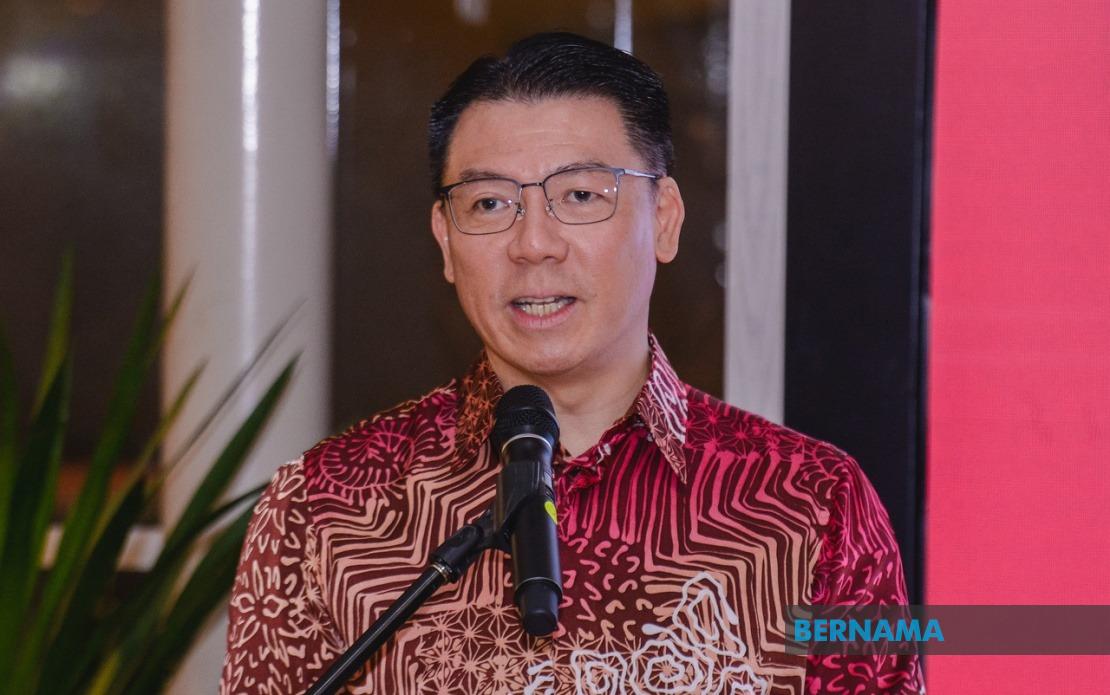
The Malaysian government is rolling out a significant housing incentive ahead of the ASEAN Real Estate Conference (AREC) 2026, offering a 10 per cent discount on home purchases during the event to be held at the Malaysia International Trade and Exhibition Centre (MITEC) from July 29 to August 1. Housing and Local Government Minister Nga Kor Ming unveiled the initiative, developed jointly with the Real Estate and Housing Developers' Association Malaysia (REHDA), as part of broader efforts to address affordability challenges faced by prospective homeowners navigating the property market.
The discount scheme targets a specific pain point in the home-buying process: the initial 10 per cent deposit mandated under the Sale and Purchase Agreement (SPA). For many Malaysians, particularly first-time buyers and younger families, accumulating this deposit represents a substantial hurdle to homeownership. By reducing the effective cost through the discount mechanism, the government aims to convert what remains largely aspirational for middle and lower-income earners into a more achievable goal. The timing of the initiative, coinciding with a major industry conference, underscores the administration's commitment to treating housing accessibility as both an economic priority and a social imperative aligned with the "Rumahku, Syurgaku" philosophy.
Prime Minister Datuk Seri Anwar Ibrahim is scheduled to officiate the four-day conference, which will feature industry forums, one-to-one business matching sessions, and an extensive exhibition. Organisers project the event will catalyse approximately RM1.5 billion in property transactions, reflecting confidence in market demand and the competitive offerings from Malaysian developers. Such economic activity demonstrates that targeted government support can stimulate meaningful movement in the residential sector, particularly when coupled with industry participation and consumer incentives.
Beyond the purchase discount, the Ministry of Housing and Local Government (KPKT) has introduced the Rahmah Cement initiative, a supply-side intervention designed to combat escalating construction expenses. The programme allocates 1.6 million metric tonnes of subsidised cement to developers constructing affordable housing units. This dual-pronged approach—simultaneously easing buyer finances while reducing developer costs—creates conditions for sustainable pricing. By addressing cost pressures throughout the development pipeline, the initiative seeks to prevent developers from absorbing losses that might otherwise discourage affordable housing projects, a perpetual challenge in markets where profit margins on lower-priced units remain tight.
The timing of these announcements carries added significance given the planned launch of the National Housing Policy on July 30, coinciding with the conference. This comprehensive policy framework will likely articulate longer-term strategies for housing development, affordability targets, and the government's vision for the residential sector over the coming years. Such coordinated policy announcements at a major industry event reinforce government commitment and provide developers with clearer parameters for investment decisions, potentially unlocking capital flows toward affordable segments that might otherwise receive less attention.
Malaysia's strength in the property sector gained reinforcement from the performance of local developers at the FIABCI World Prix d'Excellence Awards 2026. The nation emerged as the overall champion, securing 14 awards including eight gold medals and six silver medals across diverse categories. Projects recognised with gold medals included Park Regent @ Desa ParkCity in the high-rise residential category, The Mansions @ ParkCity Hanoi in low-rise residential, the iconic Merdeka 118 in office and sustainable development, Elmina Lakeside Mall in retail, Sunway Velocity Two (Phase 1) in mixed-use development, Gamuda Gardens in master planning, and Diamond Precinct in Vietnam for mid-rise residential development. This breadth of recognition across product types and geographies demonstrates that Malaysian developers possess capabilities spanning the entire spectrum of property development disciplines.
Cumulatively, Malaysia has garnered 135 gold medals at these prestigious international competitions since the awards debuted in 1992, establishing the nation as a consistent performer on the global stage. This track record reflects not merely isolated successes but rather systemic competence across the industry—evidence that Malaysian companies command the technical knowledge, financial resources, and project management capabilities to deliver world-class properties. Minister Nga emphasised that these achievements carry profound signalling value, communicating to international investors and partners that the Malaysian property sector operates at standards comparable to or exceeding those of developed markets.
The international expansion of Malaysian property firms substantiates this competitive positioning. Companies including ParkCity Group have established operations in Vietnam, SP Setia in Australia, OSK Property in Melbourne, and EcoWorld in London, successfully competing in markets where they face entrenched local competitors and stringent quality benchmarks. This geographical and competitive diversification reduces dependence on the domestic market cycle while burnishing Malaysia's reputation as a source of expertise and capital in the Asian property ecosystem. Such outbound investment by Malaysian firms creates employment, generates foreign exchange, and positions the nation as a regional hub for property development knowledge and investment.
For Southeast Asian observers, Malaysia's integrated approach—combining consumer incentives, supply-side support, workforce development through awards recognition, and international expansion—offers a instructive model for balancing housing accessibility with industry competitiveness. The approach acknowledges that affordability cannot be mandated through pricing controls alone; instead, it requires systematic cost management, developer viability, and consumer purchasing power. The AREC 2026 initiative represents a moment when Malaysia publicly articulates its vision: not merely constructing homes, but creating quality residential environments accessible to ordinary Malaysians while simultaneously establishing domestic firms as global competitors.

