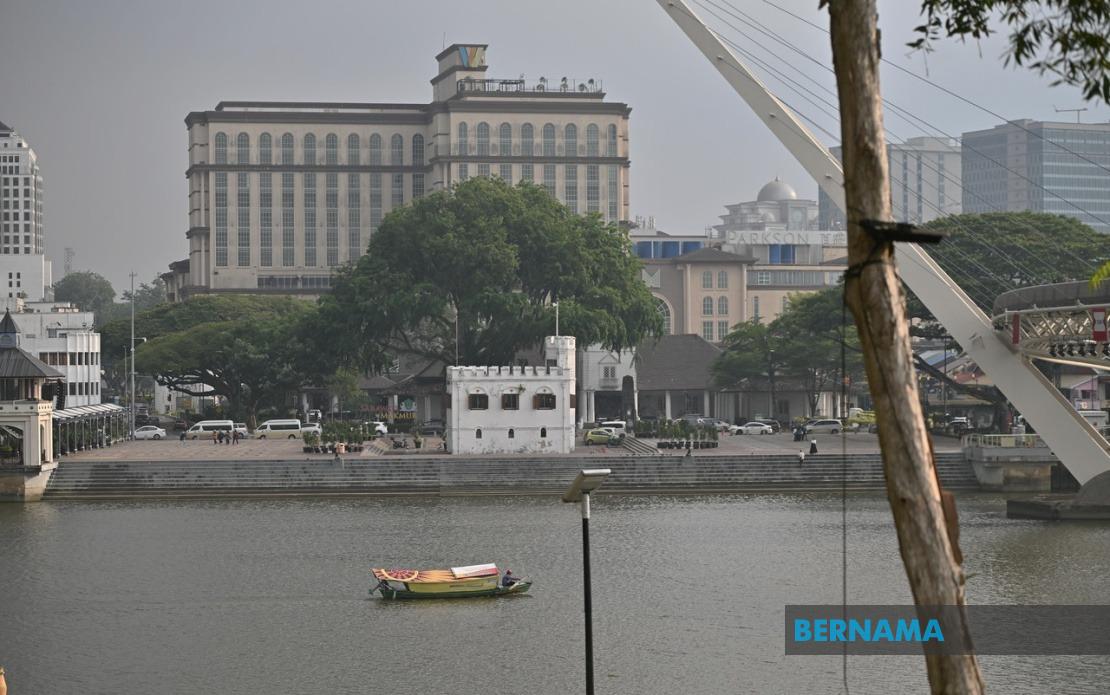
Deteriorating air quality across parts of Sarawak and Peninsular Malaysia has prompted fresh calls for the government to overhaul its approach to managing transboundary haze, with Alliance for a Safe Community chairman Tan Sri Lee Lam Thye warning that the country risks repeating past failures unless it adopts a comprehensive preventive strategy. The situation in Tebedu, Sarawak, underscored the immediacy of the threat when six schools were forced to close after the Air Pollutant Index reached levels exceeding 200, demonstrating how quickly haze episodes can disrupt essential services and affect public health.
Lee's intervention reflects growing frustration with Malaysia's historically reactive approach to a problem that has plagued the region for decades. Rather than waiting for crisis conditions to materialise, he argues, authorities should activate preventive measures as soon as early warning indicators suggest rising risk levels. This philosophical shift from damage control to anticipatory action represents a fundamental recalibration of how Malaysia frames its haze management priorities. The Alliance chairman stressed that prolonged hot and dry weather patterns create ideal conditions for fires to spread rapidly across borders, a reality that makes foresight essential rather than optional in regional contexts like Sarawak's geography.
Central to Lee's five-point strategy is the robust activation of the National Haze Action Plan whenever monitoring systems flag elevated risk signals. This framework exists on paper but requires genuine operational commitment to function effectively. Enhanced surveillance of hotspot areas, fire-prone zones, prevailing wind patterns, and real-time air quality metrics would allow authorities to intervene before situations deteriorate into full-scale emergencies. The intelligence infrastructure for such monitoring already exists within various government agencies, but Lee's proposal essentially calls for these systems to be weaponised more aggressively in service of prevention rather than merely documenting problems after they occur.
Regional cooperation emerges as perhaps the most critical element of any sustainable solution, particularly given that haze respects no borders and the ASEAN Agreement on Transboundary Haze Pollution remains inadequately implemented despite ratification by all member states in 2015. Lee emphasises that the legal framework for cooperation has existed for nearly a decade, yet ground-level action remains sluggish and insufficient. Malaysia must intensify engagement with Indonesia and other neighbouring countries to transform a commitment that exists mainly on paper into tangible enforcement mechanisms that produce measurable improvements in cross-border air quality management.
Accounting for transboundary haze as a public health crisis rather than merely an environmental nuisance is crucial to understanding why stronger regional accountability matters. The phenomenon triggers respiratory illnesses, forces school closures that disrupt children's education, and strains healthcare systems with increased demand for respiratory treatments—costs that accumulate silently across populations and economies. By reframing haze as a disaster risk comparable in seriousness to floods or earthquakes, policymakers might unlock political will for the sustained investment and coordination that solutions demand.
Yet Lee's advocacy also recognises that Malaysia cannot place entire responsibility on external actors. Domestic contributors to air pollution remain substantial, including illegal open burning practised across rural areas, smouldering peat fires that release smoke for extended periods, agricultural land clearing operations that lack proper environmental controls, and poorly supervised land clearing projects. Addressing these local sources requires enforcement of existing regulations, education campaigns targeting farmers and landowners, and investment in alternative land management practices that do not rely on fire as a clearing mechanism. Lee's emphasis on putting Malaysia's own house in order while demanding similar action from neighbours presents a balanced argument that avoids scapegoating while acknowledging genuine responsibility.
Public preparedness represents another underemphasised dimension of comprehensive haze management. Schools, hospitals, clinics, and workplaces require clear operational protocols that activate during high pollution episodes, ensuring vulnerable populations receive protective measures and essential services continue functioning. Communities need timely, transparent access to accurate air quality information rather than conflicting data from multiple sources that breed confusion during crises. Public education campaigns should explain the health impacts of various API levels and suggest practical protective measures, empowering individuals to make informed decisions about outdoor activities and health precautions.
Lee's call for a fundamental mindset shift strikes at the heart of Malaysia's historical approach to seasonal environmental challenges. Characterising haze as an annual inconvenience rather than a recurring regional disaster has permitted governments to treat it as manageable nuisance rather than a systemic risk requiring year-round prevention, sustained preparedness, and continuous regional diplomacy. This reframing is essential to justify the budgetary allocations, institutional commitments, and interstate negotiations necessary for genuine progress.
Economic considerations underscore the practical wisdom of Lee's prevention-centred approach. The costs of responding to severe haze episodes—including medical treatment, lost productivity, school closures, and tourism cancellations—vastly exceed investment in preventive measures and early intervention systems. Malaysia's experience with previous haze crises, particularly the severe episodes of 1997-98 and 2015, provides instructive data on how expensive reactive crisis management becomes compared to systemic prevention. Building the case for prevention requires articulating these financial arguments alongside health and environmental concerns.
ASEAN's early-warning system represents an existing tool that Lee suggests remains underutilised. Member states possess shared meteorological data, fire monitoring capabilities, and air quality intelligence that, if properly coordinated, could provide weeks or even months of advance notice before haze episodes reach critical levels. Acting immediately on such indicators rather than delaying decisions until pollution becomes visible across affected regions could fundamentally alter outcomes. This requires establishing decision-making protocols that trigger resource deployment when early-warning thresholds are breached, not merely when visible air quality degradation appears.
For Malaysian readers, Lee's intervention carries particular significance given that the country occupies a vulnerable geographical position in seasonal air pollution dynamics. When Indonesian fires rage during dry seasons, Malaysia lacks defensive options beyond emergency response measures. Conversely, when Malaysian activities contribute to transboundary pollution, neighbouring countries rightfully demand accountability. This reciprocal vulnerability creates legitimate grounds for Malaysia to simultaneously tighten domestic controls while pushing regional partners toward stronger implementation of collaborative frameworks.
The convergence of climate change concerns, expanding development activities, and agricultural practices across Southeast Asia suggests transboundary haze will intensify rather than diminish without structural intervention. Lee's articulation of required changes provides policymakers with a comprehensive roadmap spanning prevention, regional cooperation, domestic accountability, and public preparedness. Implementation remains the ongoing challenge, requiring sustained political commitment beyond the lifecycles of individual administrations and the capacity to maintain cooperative momentum across countries with competing priorities.

