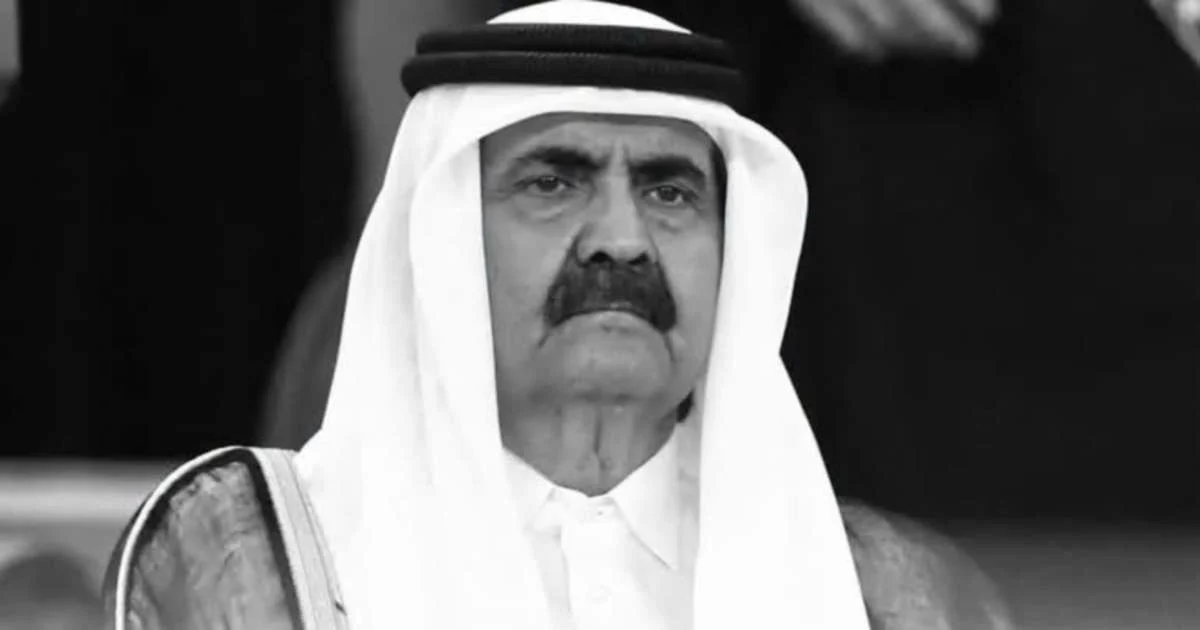
Prime Minister Datuk Seri Anwar Ibrahim has formally expressed Malaysia's sympathy to Qatar's government and population following the death of former emir Sheikh Hamad bin Khalifa Al Thani, who passed away today at the age of 74. The diplomatic gesture underscores Malaysia's commitment to maintaining strong bilateral relations with the wealthy Gulf nation during a period of significant national mourning.
Sheikh Hamad bin Khalifa Al Thani served as Qatar's ruler for approximately two decades, overseeing a transformative period that reshaped the country's global standing. Under his leadership, Qatar evolved from a relatively modest regional player into a major international force, leveraging its extensive natural gas reserves to build unprecedented wealth and geopolitical influence. His tenure witnessed ambitious infrastructural development that positioned the nation as a hub for regional diplomacy and international engagement.
The former emir's most defining achievement came with his decision to permit the establishment of Al Jazeera in 1996, a broadcasting network that fundamentally altered media landscapes across the Arab world and beyond. This bold initiative granted Qatar considerable soft power, enabling the nation to project its narrative and values across multiple continents. Similarly, his administration championed Qatar's successful bid to host the 2022 FIFA World Cup, a decision that generated both international acclaim and considerable controversy regarding labour practices and infrastructure development.
Sheikh Hamad bin Khalifa Al Thani stepped down from his position as emir in 2013, transferring authority to his son, Sheikh Tamim bin Hamad Al Thani, marking a peaceful succession that reflected the ruling family's commitment to institutional continuity. The transition demonstrated the palace's confidence in preparing the next generation to navigate Qatar's complex position within regional and international affairs. His retirement period was characterised by a gradual withdrawal from public life, though he remained a respected figure within the Al Thani family and across the Gulf Cooperation Council.
Malaysia's expression of condolences carries particular significance given the two nations' extensive diplomatic and commercial relationships. Qatar represents a crucial partner for Malaysian business interests, particularly in energy sectors, investment portfolios, and trade agreements. The Gulf state has consistently demonstrated strong investment commitments within Malaysia's economy, while Malaysian professionals and expatriates constitute a notable community within Qatar's multicultural society.
The death of Sheikh Hamad bin Khalifa Al Thani occurs at a moment when Qatar continues to navigate complex regional dynamics following the normalization of relations with neighbouring Saudi Arabia and the broader realignment of Gulf politics. The leadership transition, though it occurred a decade earlier, established frameworks that have enabled current emir Sheikh Tamim bin Hamad Al Thani to consolidate power and establish his own strategic vision. Understanding this historical context helps observers appreciate how former emir's early decisions continue influencing contemporary Gulf affairs.
From Malaysia's perspective, the passing represents an opportunity for reaffirming diplomatic bonds with Qatar's current leadership under Sheikh Tamim bin Hamad Al Thani. Anwar Ibrahim's condolence message reflects Malaysian leadership's understanding that maintaining cordial relations with Gulf nations remains strategically important for regional stability, trade prosperity, and cultural exchange. The gesture also acknowledges Qatar's historical role in hosting major international events and serving as a significant player in Middle Eastern geopolitics.
Qatar's response to this period of transition will likely be characterised by national reflection on Sheikh Hamad bin Khalifa Al Thani's legacy whilst simultaneously reinforcing the current administration's policies and future direction. The nation's institutional structures, developed substantially during the former emir's tenure, appear sufficiently robust to manage succession and maintain governmental continuity. Malaysia, alongside other Southeast Asian nations, will be observing how Qatar's current leadership navigates emerging challenges whilst preserving the diplomatic relationships established during previous administrations.
The passing of former leaders inevitably prompts broader discussions about leadership legacies, regional influence, and the evolution of Gulf politics. Sheikh Hamad bin Khalifa Al Thani's forty-year involvement in Qatar's governance, beginning with his role in orchestrating the 1995 coup that brought his family to power, fundamentally altered the peninsula's trajectory. His decisions regarding resource management, international partnerships, and cultural initiatives established pathways that continue shaping Qatar's contemporary policies and international standing.
For Malaysian readers and policymakers, this moment serves as a reminder of the importance of fostering stable relationships with Gulf partners who remain influential in global energy markets, international diplomacy, and investment flows. The region's stability depends significantly upon smooth transitions of power and the preservation of diplomatic channels across generations of leadership. Malaysia's formal expression of sympathy through Prime Minister Anwar Ibrahim demonstrates the nation's appreciation for Qatar's role as both a historical ally and ongoing commercial partner in an increasingly complex global environment.

