Malaysia has launched an immediate coordinated response to the devastating floods that swept through Nepal's Rasuwa district, with authorities working to establish contact with 57 Malaysian citizens who remain unaccounted for following the disaster. The catastrophic flooding, which struck the Himalayan nation yesterday, has prompted high-level government intervention and expressions of solidarity from Malaysian political leadership, signalling the government's commitment to assisting both affected nationals and the broader humanitarian relief effort in the region.
Datak Seri Anwar Ibrahim, Malaysia's Prime Minister, has directed the National Security Council (MKN) and the Ministry of Foreign Affairs to immediately identify and make contact with Malaysians impacted by the flooding. This directive reflects the gravity with which the government is treating the situation, deploying institutional resources across multiple agencies to establish a comprehensive picture of the circumstances facing Malaysian nationals caught in the disaster zone. The coordination between security and diplomatic channels underscores the complexity of mounting an effective emergency response across international borders during a natural disaster of this magnitude.
The figure of 57 uncontactable Malaysians is based on reports submitted by family members, friends and employers as of 11 pm on August 27, according to the Foreign Ministry. This reliance on indirect reporting mechanisms highlights the immediate communication challenges that arise when major disasters strike regions with limited infrastructure. The actual number of Malaysians in the affected area may fluctuate as more information becomes available, and the government's ongoing efforts to establish contact will likely refine the scope of the situation in coming days. For Malaysian families awaiting news, the uncertainty surrounding their relatives' whereabouts represents an intensely anxious period requiring both official assistance and community support.
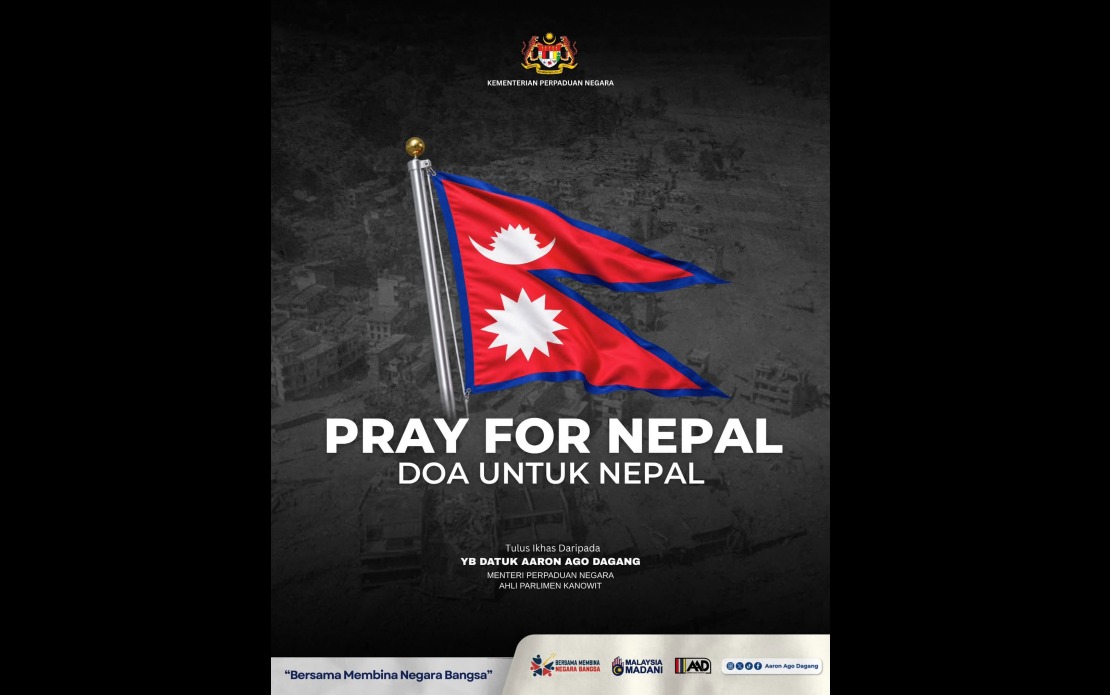
Minister of National Unity Datuk Aaron Ago Dagang has expressed personal grief over the flood disaster, using his position to articulate Malaysia's compassion toward the Nepali people during this humanitarian crisis. Through a public Facebook statement, he called on Malaysians to join in prayer for the safety and wellbeing of those affected by the flooding in Nepal. His invocation of prayer and collective solidarity represents an important symbolic dimension of international response, acknowledging that disaster relief extends beyond logistical coordination to encompass emotional and spiritual support for affected communities.
Dagang specifically emphasised that Malaysia stands with Nepal during this challenging period, articulating a message of cross-border solidarity that reinforces diplomatic ties between the two nations. He additionally stressed his prayers for the safety of Malaysian nationals in Nepal, expressing hope that affected citizens can be reached by their families and by relevant government authorities. This dual focus—on supporting Nepal while simultaneously prioritising Malaysian nationals—reflects the delicate balance governments must maintain when their citizens are affected by disasters occurring in other countries.
The flooding in Rasuwa district represents a significant natural disaster for Nepal, a nation that periodically faces severe weather challenges given its mountainous terrain and monsoon climate patterns. The district's geographical characteristics—steep valleys and river systems swollen by heavy rainfall—create conditions where flooding can rapidly become catastrophic. For Malaysia, which has its own experience with monsoon-related floods affecting populated areas, the disaster carries particular resonance and underscores the shared vulnerability of South and Southeast Asian nations to extreme weather events driven by monsoon systems.
The swift activation of Malaysia's disaster response apparatus demonstrates established protocols for managing citizens abroad during emergencies. The involvement of the National Security Council indicates that authorities are treating the situation with the seriousness typically reserved for major security or humanitarian incidents. The Ministry of Foreign Affairs, meanwhile, serves as the primary diplomatic channel for coordinating with Nepali authorities, seeking access to affected areas and obtaining information about Malaysians on the ground. Such coordination is essential when communications infrastructure has been damaged or overwhelmed by the scale of the disaster.
For Malaysian expatriates and their families, the unfolding situation underscores both the vulnerabilities and support mechanisms that apply to citizens living or travelling abroad. While Malaysia maintains diplomatic presence and consular services in Nepal to assist nationals, the scale and suddenness of natural disasters can strain such resources. The public appeals for information from families and employers represent an important information-gathering mechanism, allowing authorities to identify at-risk individuals and prioritise search and assistance efforts based on known locations and activities.
The broader context includes Nepal's own capacity to manage disaster response, which can be constrained by limited resources and infrastructure challenges in mountainous regions. International assistance, including Malaysian support and coordination, becomes crucial in such circumstances. The disaster also raises questions about early warning systems, evacuation protocols, and the resilience of communities in flood-prone areas—issues that apply across South Asia and Southeast Asia as climate patterns potentially intensify extreme weather events.
Looking forward, Malaysian authorities will need to maintain sustained engagement with Nepali counterparts to account for all nationals, assess damages or injuries, and potentially provide targeted assistance. The experience will also likely inform Malaysia's own preparedness for supporting citizens abroad during future natural disasters. For Nepal, the international response and solidarity expressed by countries such as Malaysia form part of the broader regional and global humanitarian coordination necessary for effective disaster recovery and reconstruction.

