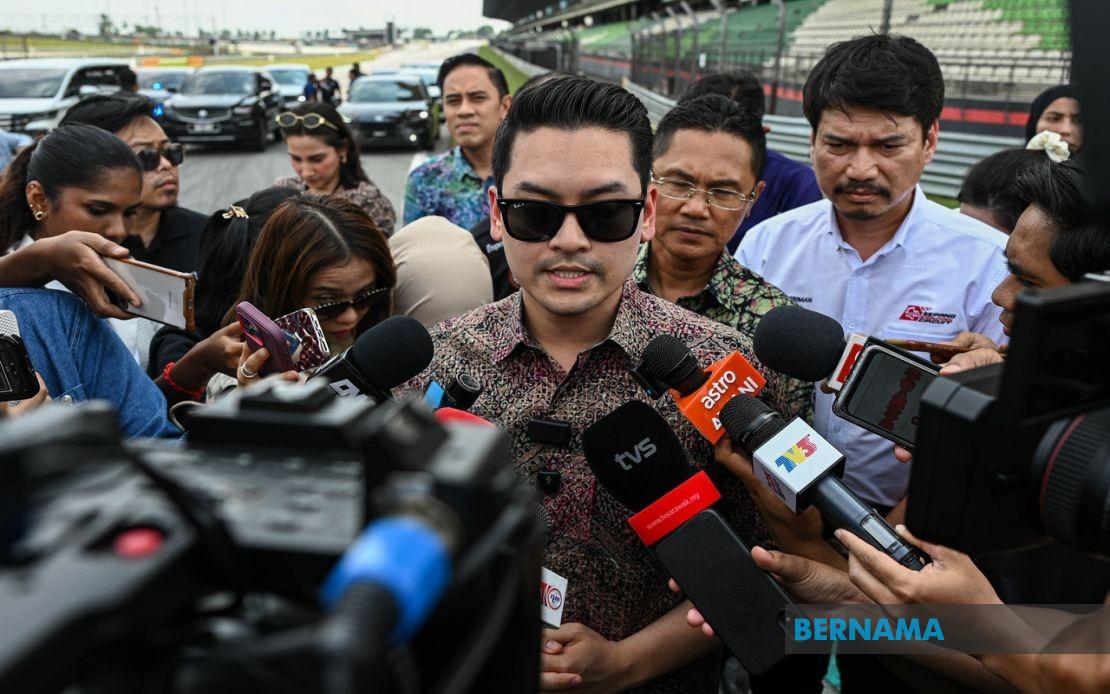
The Ministry of Youth and Sports has set in motion preparations for hosting the Formula One Bahrain Gulf Air Grand Prix at Sepang International Circuit on October 2 to 4, establishing a two-tier governance structure to manage the complexities of delivering a world-class motorsport event. Youth and Sports Minister Dr Mohammed Taufiq Johari unveiled the administrative framework during a visit to the circuit, signalling the government's commitment to bringing global attention to Malaysian facilities and tourism offerings.
The governance apparatus comprises a Main Committee chaired by the Chief Secretary to the Government, tasked with orchestrating security protocols, governmental liaison, and inter-agency cooperation across multiple sectors. A separate Technical Committee operating at ministry level will monitor implementation schedules and ensure adherence to prescribed timelines. This dual-track approach reflects the multifaceted nature of hosting an international sporting spectacle, extending far beyond track maintenance into the realms of protocol, border security, traffic management, and economic strategy.
Dr Mohammed Taufiq acknowledged the compressed timeline, noting that organisers face a two-month window to ensure operational readiness across all dimensions. The challenge encompasses not merely circuit infrastructure but encompasses the broader ecosystem—from how security forces manage spectator flows to how tourism authorities capitalise on increased visitor numbers. The minister emphasised that successful execution demands meticulous coordination between previously siloed government departments, a coordination effort that has historically proven testing for large-scale events in the region.
Encouragingly, the Fédération Internationale de l'Automobile's technical delegation completed an inspection last week and found the circuit in satisfactory condition with no critical deficiencies. Rather than requiring fundamental remediation, SIC needs selective upgrades and maintenance work to meet FIA specifications. The circuit will close to public access from September 7 onwards, permitting intensive upgrading, maintenance procedures, and testing cycles before competitors and media arrive. This closure window provides sufficient lead time for final preparations without excessive disruption to the facility's commercial operations.
The government has committed RM16 million toward facility upgrades and technical enhancements, while Bahrain, as the race organiser and promoter, bears the full operational costs of staging the event itself. This financial arrangement represents a strategic investment by Malaysia in its sporting infrastructure and international profile. Beyond direct government expenditure, the ministry actively pursues corporate sponsorship from Malaysian private enterprises to fund ancillary expenses, spreading the financial burden and creating partnership opportunities for domestic businesses.
Volunteer mobilisation represents another cornerstone of the organisational strategy. The ministry plans to recruit a minimum of 1,000 young people, drawing substantially from higher education institutions, to assist across various operational functions. This volunteer programme serves dual purposes—providing practical labour for race operations while offering students valuable experience in event management and creating a sense of national participation in the hosting endeavour.
Integrating grassroots economic participation, the government intends to organise a People's Carnival throughout the race weekend. This initiative aims to enable local traders, hawkers, and small entrepreneurs to capitalise on heightened foot traffic by selling food, beverages, handicrafts, and souvenirs that reflect Malaysian cultural identity. Such inclusive economic strategies ensure that benefits from the event extend beyond large international corporations and major hotels to touch ordinary communities.
The Prime Minister's proposed MADANI Ticket initiative, announced previously to enhance affordability for Malaysian citizens, remains under discussion. Dr Mohammed Taufiq cautioned that finalising ticket pricing and allocation quotas falls within Bahrain's purview as event promoter rather than Malaysia's, necessitating diplomatic negotiation. This technicality underscores the complexities when host nations serve as infrastructure providers rather than event principals, requiring Malaysia to balance domestic aspirations against the contractual prerogatives of international sports promoters.
Longer-term implications concern whether Malaysia might reclaim its position as a permanent Formula One calendar venue. Dr Mohammed Taufiq explicitly stated that deliberations on permanent status remain premature, with immediate focus fixed on delivering a seamless October event. However, he cited economic projections suggesting the race could generate economic spillovers approximately 13 times the cost of staging the event, providing compelling rationale for future consideration. Success in October could position Malaysia as an attractive host for future editions, expanding the nation's profile within international motorsport circles and attracting additional tourist and business investments.
For Malaysian observers, this development signals renewed engagement with premium international sporting properties after Malaysia's previous tenure as a Formula One calendar fixture. The October event represents both an operational test of national event-management capabilities and a marketing opportunity to showcase Sepang's facilities and Malaysia's hospitality to a global audience. How successfully the nation executes this staging will substantially influence perceptions of Malaysian competency in delivering large-scale international events and may determine whether Formula One returns to the Malaysian calendar on a recurring basis, with commensurate economic and tourism implications for the region.

