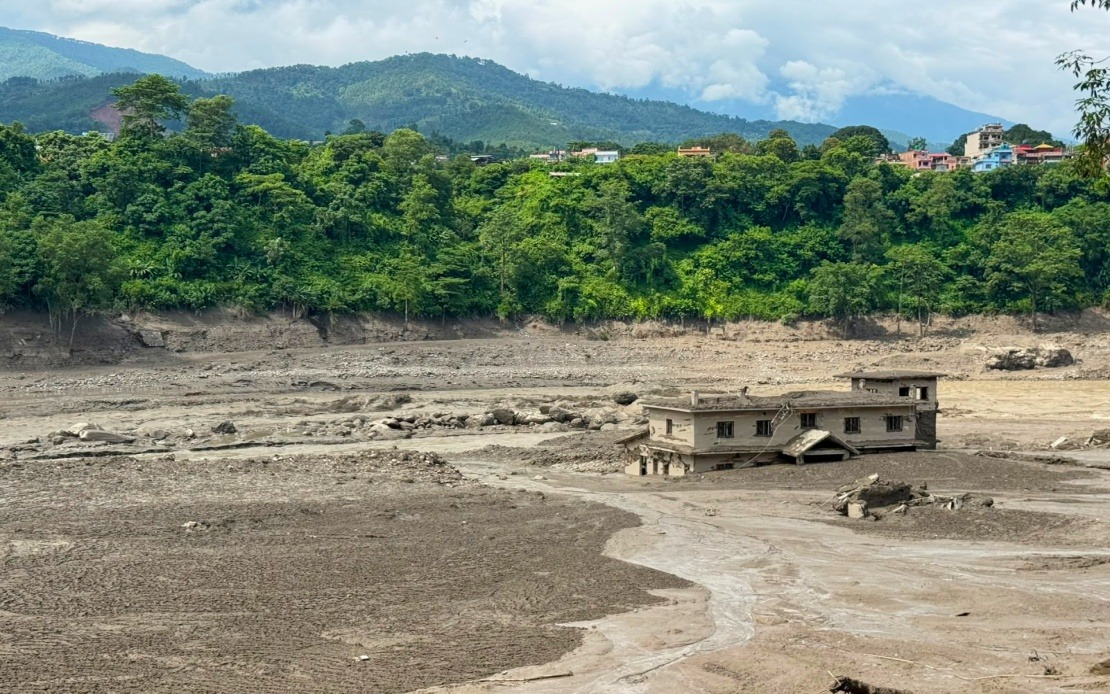
Prime Minister Datuk Seri Anwar Ibrahim has declared the government's commitment to locating 54 Malaysians who have become unreachable following catastrophic flash flooding in Nepal's Rasuwa district. The administration views the situation with considerable urgency, mobilising multiple diplomatic channels and ground resources to establish contact with the missing nationals and assess their welfare. Through a public Facebook statement, Anwar conveyed both personal concern and the broader institutional priority the Malaysian government has placed on resolving this crisis.
The disaster struck the Nepal-Tibet border region along the Bhote Koshi River, where intense rainfall combined with glacier landslides to create a devastating torrent. The flooding has effectively isolated the affected area from Nepal's capital Kathmandu, severing the primary road connection and severely hampering both communication infrastructure and the movement of people. For Malaysian citizens caught in this remote zone, the geographical isolation has compounded the difficulty of establishing contact and coordinating rescue operations.
Malaysia's diplomatic apparatus has swung into coordinated action across multiple embassies and high commissions. The Malaysian Embassy in Kathmandu stands as the frontline coordination point, working in direct partnership with Nepalese government authorities and local emergency agencies to access information and mount search efforts. Recognising the challenges posed by Nepal's terrain and communication breakdown, Kuala Lumpur has additionally deployed diplomatic personnel from the Malaysian High Commission in Dhaka, Bangladesh, to reinforce coordination capacity on the ground. This multi-point engagement strategy reflects Malaysia's determination to ensure no available diplomatic resource remains unutilised.
The Foreign Ministry has retained direct communication with the Prime Minister's office, updating leadership on developments as they emerge. Anwar's public acknowledgment of the situation signals both transparency with the Malaysian public and the government's resolve to treat this as a high-priority national concern rather than a routine consular matter. The involvement of the Prime Minister in public commentary underscores the diplomatic weight being applied to negotiations with Nepalese counterparts and the international coordination machinery activated to assist affected nationals.
Malaysian citizens are regularly found in Nepal, particularly in popular tourist destinations and trekking regions surrounding the Kathmandu Valley. Many visit during festival seasons and for adventure tourism along established mountain routes. The Rasuwa district, situated along the major trekking corridor toward Tibet, attracts considerable Malaysian visitor numbers, particularly those undertaking the challenging high-altitude mountain expeditions for which Nepal remains a premier destination. The convergence of tourist season with the heavy monsoon period creates a recurring vulnerability window for Malaysian travellers in these regions.
The communications blackout has created significant uncertainty in establishing accurate casualty figures or determining precisely how many Malaysians were in the affected zone when flooding occurred. Standard embassy protocols involve seeking voluntary registration from nationals in-country during emergencies, yet the infrastructure collapse has prevented many from utilising these channels. The 54 uncontactable individuals represent those with whom Malaysian authorities have established prior contact information but cannot currently reach, rather than necessarily the total number of Malaysians present in the disaster zone.
Nepal's monsoon season, running from June through September, annually produces flooding and landslide hazards throughout the country. The tropical moisture systems collide with the Himalayan topography to create intense precipitation events capable of triggering glacier instability and catastrophic runoff. Climate patterns have shown intensification in recent years, producing more severe weather events during traditional monsoon periods. Malaysian authorities maintain seasonal awareness protocols for nationals in Nepal, though the unpredictability of extreme events continues to outpace conventional risk management approaches.
Anwar appealed to the Malaysian public for continued prayers and hope that the missing citizens would be found safe and that rescue operations would proceed without further obstacles. This spiritual and emotional framing complements the administrative actions underway, acknowledging both the limits of government intervention in natural disasters and the role of collective national concern in supporting affected families. The appeal reflects cultural and religious dimensions of national unity during crisis periods.
The Malaysian government has committed to sustained monitoring of the situation and pledged to mobilise whatever additional resources prove necessary as circumstances develop. The Foreign Ministry will maintain active engagement with Nepalese authorities to secure updates, facilitate rescue operations where Malaysian assets can contribute, and prepare consular assistance for survivors who may face injuries, displacement, or loss of documentation. The coordination framework established through this crisis may influence how Malaysia approaches emergency preparedness for citizens in other mountainous or disaster-prone regions throughout South and Southeast Asia.
This incident underscores the vulnerability facing Malaysian nationals engaged in adventure tourism or extended residence in geographically challenging environments where infrastructure fragility meets natural hazard exposure. While Nepal's tourism industry depends significantly on international visitors' willingness to accept inherent risks, the flooding demonstrates the consequences when natural disaster scenarios actualise. For Malaysian families of the missing persons, the coming days will involve extraordinary uncertainty as diplomatic channels work to penetrate the communication void and establish definitive status updates on their loved ones' condition and location.

