Malaysia's Education Ministry will deploy comprehensive advocacy campaigns across the education sector focusing on three critical pieces of child protection legislation: the Child Act 2001, the Anti-Bullying Act 2026, and the Sexual Offences Against Children Act 2017. The initiative represents a coordinated push to strengthen awareness and compliance with these laws among students, educators, and school administrators nationwide.
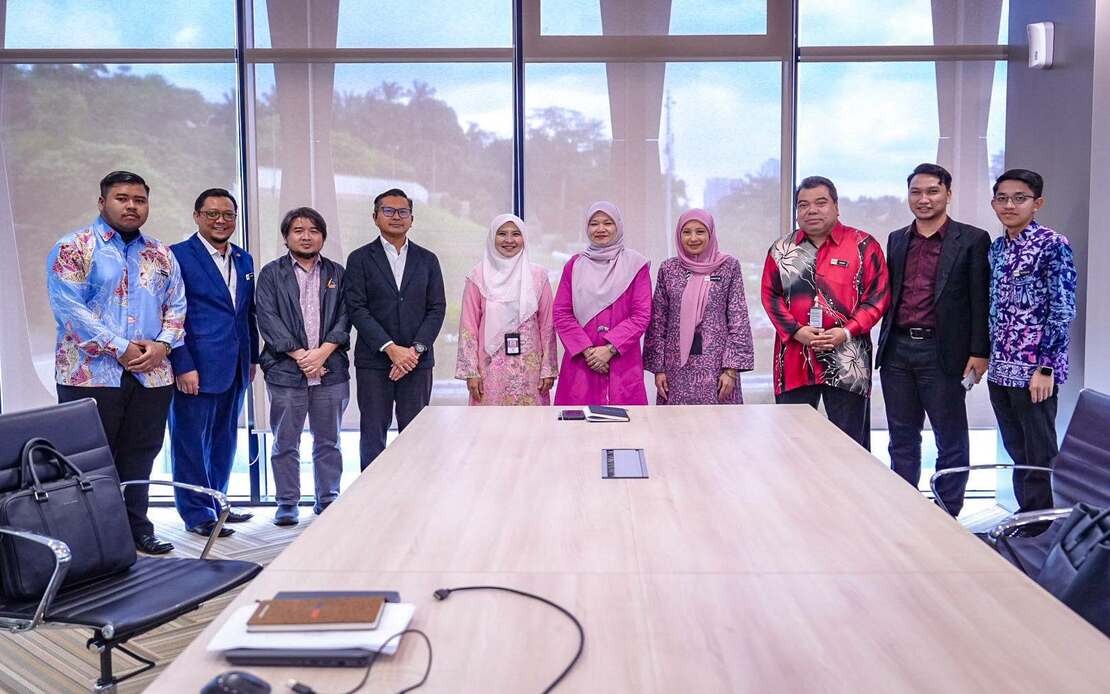
Education Minister Fadhlina Sidek announced the plans following a meeting with officials from the Human Rights Commission of Malaysia (SUHAKAM), including Children's Commissioner Dr Farah Nini Dusuki and Dr Mohd Al Adib Samuri. The discussion underscored the government's determination to address growing concerns about bullying and sexual harassment within educational institutions, areas that have drawn increasing public attention in recent years.
The Anti-Bullying Act 2026, which represents the most recent addition to Malaysia's child protection framework, will feature prominently in the rollout. This legislation provides a comprehensive legal mechanism for identifying, investigating, and addressing bullying incidents in schools. As bullying continues to damage student mental health and academic performance across Southeast Asia, the emphasis on statutory awareness becomes particularly relevant for Malaysian educators tasked with creating safer learning environments.
Fadhlina emphasised that collaboration between the Education Ministry and SUHAKAM must deepen to ensure advocacy messages reach all stakeholder levels effectively. This partnership model recognises that child protection requires coordinated effort across government agencies, drawing on SUHAKAM's expertise in human rights compliance and the Education Ministry's direct access to schools and students. The combination allows for evidence-based programme design informed by human rights principles while leveraging existing educational infrastructure.
The Sexual Offences Against Children Act 2017 addresses one of the most serious threats to child safety. By incorporating this legislation into school-based advocacy, the government aims to educate young people about their rights and the legal consequences for perpetrators, while also training staff to recognise warning signs and respond appropriately. This educational approach complements law enforcement efforts and creates multiple protective layers within the school system.
The Child Act 2001, Malaysia's foundational statute on child welfare and protection, provides the broader legal framework underpinning these specific offence-focused laws. Advocacy on this act ensures educators understand their mandatory reporting obligations and the protections available to vulnerable children. For Malaysian schools operating in an increasingly complex social environment, clarity on these legal responsibilities becomes essential for institutional risk management and child safety.
Current discussions about bullying and sexual harassment reflect real challenges facing Malaysian schools. Recent media coverage and social media discourse have highlighted cases that slipped through institutional safeguards, suggesting that awareness gaps persist among staff and students. The Ministry's decision to launch formalised advocacy programmes indicates recognition that informal or ad-hoc approaches have proven insufficient.
Implementing nationwide advocacy carries logistical complexity given Malaysia's diverse school system spanning urban and rural areas, different education types (vernacular, Islamic, special needs), and varied resource availability. The collaboration with SUHAKAM suggests coordinated curriculum development and training materials that can be adapted across different school contexts while maintaining consistency in core messaging.
For Malaysian parents, the advocacy rollout signals institutional commitment to child safety, though success will ultimately depend on implementation quality and resource allocation. The explicit statement that "the rights and welfare of our children will always remain a priority" indicates policy-level support, but translating such statements into sustained operational improvements across thousands of schools requires sustained funding and monitoring.
The timing of this initiative aligns with broader Southeast Asian trends toward strengthening child protection frameworks. Countries across the region have recognised that legal statutes alone prove insufficient without complementary awareness-building, training, and cultural change within institutions. Malaysia's approach mirrors international best practice combining legislative strength with educational reinforcement.
Looking forward, measuring the advocacy programme's effectiveness will prove crucial. Indicators might include changes in bullying and sexual harassment reporting rates, staff knowledge assessments, and student awareness surveys. Whether increased reporting reflects greater awareness or genuinely higher incident rates will require careful interpretation, but baseline establishment now will enable meaningful evaluation later.
The partnership model established with SUHAKAM could extend beyond immediate advocacy objectives. Human rights commissions across the region increasingly serve as watchdogs monitoring institutional compliance with protective legislation, suggesting SUHAKAM's ongoing role may include periodic audits of school implementation. This creates accountability mechanisms that pure advocacy campaigns cannot achieve alone.
For Malaysian educators, the rollout necessitates professional development allocation and time carved from already pressured school schedules. Supporting staff to understand these laws deeply—not merely memorising provisions—will determine whether awareness campaigns translate into changed practices that actually protect children from bullying and sexual offences.

