Malaysia has taken a significant step in regional food governance by formally joining the Asia-Pacific Food Regulatory Authority Summit (APFRAS), a move approved by Cabinet in June that reflects the country's ambition to lead digital transformation in food safety across Southeast Asia and beyond. Health Minister Datuk Seri Dr Dzulkefly Ahmad announced the membership at a signing ceremony in Putrajaya on August 11, underscoring how Malaysia intends to position itself as a "Smart Gatekeeper" capable of managing the complexities of increasingly globalised food trade.
The timing of this commitment carries particular urgency when viewed against Malaysia's food import trajectory. Over the past decade, the nation's reliance on imported foodstuffs has grown dramatically, with annual food imports climbing 85 per cent from RM42.6 billion in 2013 to RM78.9 billion in 2023. This trajectory reveals a fundamental shift in the country's food consumption patterns and supply chain dynamics. As domestic production has failed to keep pace with population growth and changing dietary preferences, Malaysia has become increasingly dependent on an intricate web of international suppliers spanning multiple continents and crossing numerous national borders. The concentration of consumption within these extended, multifaceted supply chains creates vulnerabilities that traditional oversight mechanisms struggle to address.
Joining APFRAS directly supports two pillars of Malaysia's long-term food policy framework: the National Food Safety Policy and the National Food Security Policy. By participating in a multilateral regulatory body, Malaysia gains access to coordinated standards and shared intelligence across the region, enabling more effective early detection of contamination risks and foodborne disease outbreaks. The membership signals official recognition that food safety in the modern era cannot be managed unilaterally. Cross-border challenges require cross-border solutions, and regional harmonisation of standards reduces the friction and inconsistency that can allow unsafe products to slip through inspection regimes.
Dr Dzulkefly articulated three core objectives that will guide Malaysia's participation in APFRAS. The first centres on accelerating the digital transformation of food safety governance across the region, moving away from paper-based documentation and manual monitoring toward integrated digital systems that provide real-time visibility into supply chain movements. The second involves regulating biodegradable packaging materials, an area of growing concern as both environmental pressures and food safety considerations demand clearer standards governing materials that contact foodstuffs. The third seeks harmonisation of legislative frameworks governing novel food innovations, an increasingly pressing challenge as plant-based proteins, cultured meat, and other emerging technologies enter regional markets at varying speeds and face inconsistent regulatory treatment.
Behind this diplomatic initiative lies a concrete technology strategy. The Health Ministry is actively piloting artificial intelligence and predictive analytics tools designed to enhance monitoring and control efficiency at Malaysia's entry points. These systems can process vast volumes of import documentation, analyse historical contamination patterns, flag shipments from suppliers with compliance issues, and identify products requiring elevated scrutiny based on origin, composition, or regulatory history. Rather than relying solely on random sampling and manual inspection—resource-intensive approaches that capture only a small fraction of incoming shipments—AI-driven risk stratification allows inspectors to concentrate their efforts where danger signals are highest. This represents a qualitative shift in how border food safety operates.
The broader context illuminates why Malaysia views APFRAS membership as strategically important for regional standing. As Southeast Asia's food import volumes expand across all member states, no single country possesses sufficient leverage or technical capacity to establish unilateral standards. APFRAS provides a forum where member nations can collectively shape regulatory evolution, ensuring that Malaysian interests and technical capabilities influence regional consensus rather than merely accepting standards set by larger trading blocs. For a country importing nearly RM79 billion in food annually, the ability to participate in rule-making is economically consequential.
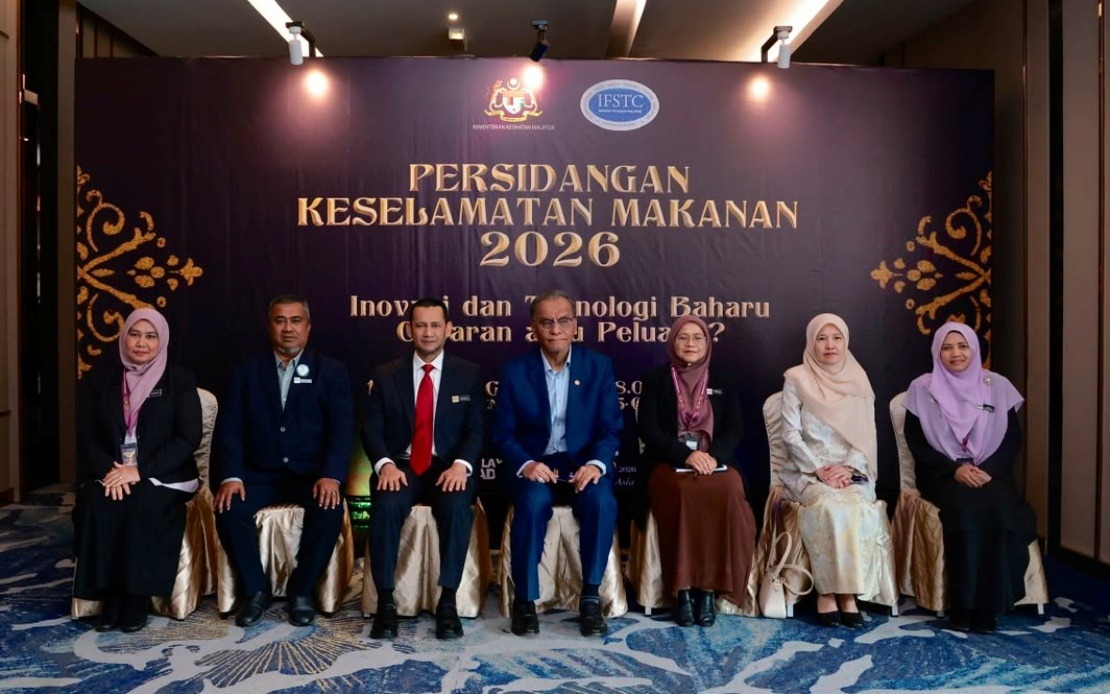
The 2026 Food Safety Conference, which provided the occasion for the membership announcement, drew over 300 participants and reflected the sector's recognition that innovation and tradition now collide within food systems. The conference theme—"New Innovations and Technologies: Challenges or Opportunities?"—captures the dual nature of contemporary food trade. Emerging technologies offer powerful tools for improving safety, traceability, and efficiency, yet each innovation carries risks that regulators must anticipate before widespread adoption. Cultured meat, precision fermentation of protein, advanced packaging, and blockchain-based traceability all promise benefits but require carefully calibrated regulatory frameworks that APFRAS membership helps develop.
For Malaysian consumers and businesses, APFRAS participation carries practical implications. Harmonised standards reduce costs for exporters operating across the region and simplify compliance for importers sourcing from multiple countries. A single set of labelling requirements, pesticide residue limits, or permitted food additives means manufacturers can design products for regional distribution rather than tailoring batches for individual national markets. This efficiency translates into competitive pricing and broader product choice for retailers and households. Simultaneously, coordinated enforcement mechanisms increase confidence that products circulating across the region have met consistent safety thresholds.
The challenge ahead involves translating institutional membership into operational capability. Digital transformation of food safety governance requires sustained investment in IT infrastructure, technical training, and cross-agency coordination. Many regional partners operate with limited resources and fragmented inspection systems. Malaysia's leadership role in APFRAS will depend on its willingness to invest in these foundational systems and share technical expertise with less-developed regulatory neighbours. The Health Ministry's exploration of AI and predictive analytics must progress from pilot projects to operational deployment, a transition that frequently encounters implementation hurdles.
Malaysia's food import dependency will almost certainly continue growing as urbanisation accelerates and dietary diversification deepens. Rather than viewing this trend with alarm, the government has chosen to embrace it through smarter governance mechanisms. APFRAS membership, coupled with digital modernisation of border controls, represents a pragmatic response to an irreversible economic reality. By investing in collective regional oversight and advanced monitoring technologies, Malaysia signals confidence that globalised food supply chains can be managed safely when underpinned by sufficient institutional capacity and political will.

