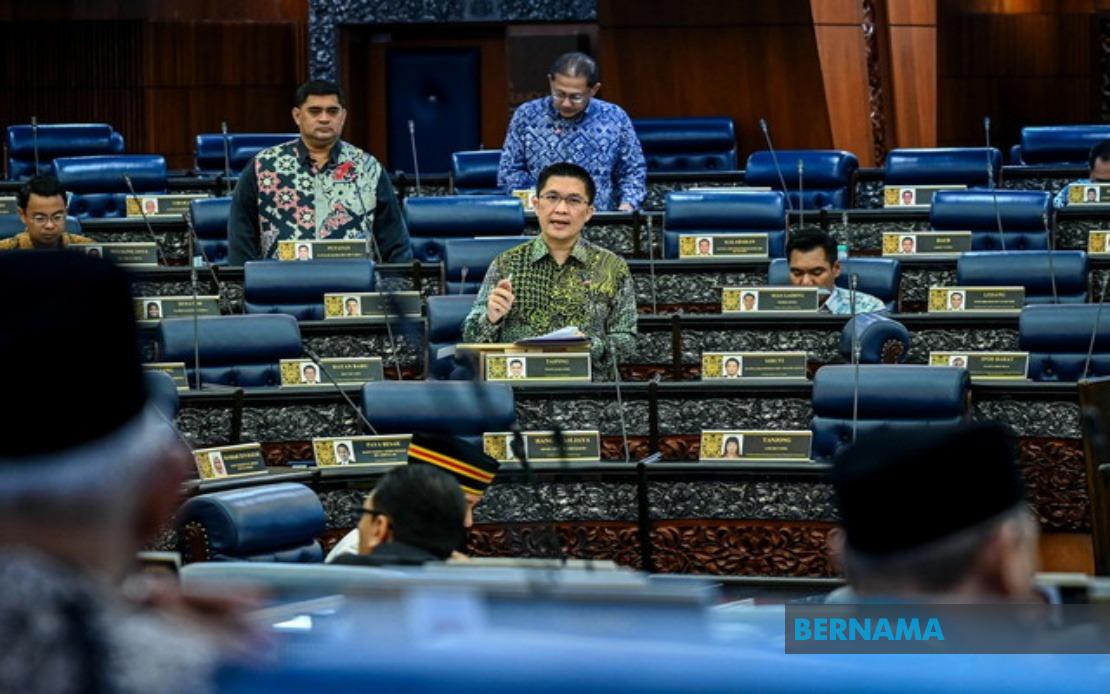
Malaysia's Education Ministry has achieved near-complete staffing levels for its preschool programme, with 10,478 teachers now in position across the nation as of July 1. The exceptionally high fill rate of 99.8 per cent demonstrates significant progress in addressing the human resources demands of the country's early childhood education sector, according to a parliamentary statement from Deputy Minister Wong Kah Woh.
The ministry's recruitment drive between 2023 and 2025 has introduced 1,202 new preschool educators into the system, reflecting an organised response to escalating enrolment across various regions. This phased deployment strategy acknowledges that demand for government-funded preschool places varies considerably across Malaysia's diverse geography, requiring calibrated resource allocation rather than blanket expansion. The ongoing recruitment process signals the ministry's commitment to maintaining staffing momentum as enrolment projections indicate further growth in coming years.
Current operational capacity demonstrates substantial reach into Malaysia's preschool-aged population. As of May 31, the ministry operated 10,491 preschool classes nationwide, serving 217,026 children. These figures reveal the scale of government's early childhood investment and the critical role it plays in preparing young Malaysians for primary education. The programming reaches a significant proportion of the age-eligible cohort, though accessibility gaps remain in certain areas, particularly in less densely populated regions.
Quality assurance mechanisms have been strengthened alongside recruitment efforts, recognising that teacher numbers alone cannot guarantee educational outcomes. The Education Ministry has reinforced its training ecosystem, encompassing pre-service preparation for newly qualified educators and ongoing professional development for experienced staff. These programmes are explicitly designed to align teaching methodologies and competencies with established early childhood education standards, ensuring that expanded capacity does not compromise the calibre of instruction children receive.
The ministry's expansion strategy operates within clearly defined parameters. Site selection for opening and expanding preschool classes follows comprehensive needs assessments, weighing demographic factors such as the concentration of children within eligible age bands against localised demand signals. This evidence-based approach prevents misallocation of resources to areas with surplus capacity while identifying underserved communities. The process involves coordination across multiple government tiers, demonstrating institutional coordination between federal and state education bodies.
Forward planning indicates ambitions to broaden reach substantially. The ministry targets opening 300 additional preschool classes during the coming year, a single-year expansion that positions Malaysia toward a five-year target of 1,040 newly established or expanded facilities. If realised, this trajectory would significantly increase access to government preschool provision, particularly benefiting families in middle and lower income brackets for whom private childcare options remain financially prohibitive. The expansion commitment addresses a demographic reality: many six-year-olds currently enter primary education without prior preschool experience, potentially disadvantaging them academically and socially.
Realising these ambitions requires sustained coordination across governmental and community structures. The Education Ministry is collaborating with State Education Departments, the Community Development Department (KEMAS), and other relevant agencies to harmonise preschool expansion with broader early childhood development initiatives. KEMAS, in particular, operates non-formal preschool and community-based programmes that complement Ministry operations, particularly in rural areas. This networked approach recognises that no single government entity can adequately address preschool access challenges alone, especially in Malaysia's more remote and economically disadvantaged communities.
The policy emphasis on universal preschool access aligns with recognised international best practices and Malaysia's own developmental priorities. Research consistently demonstrates that quality early childhood education generates long-term returns across academic achievement, social development, and economic productivity. By systematically expanding provision and reinforcing educator quality, Malaysia positions itself to capture these benefits across its population, particularly for children from disadvantaged backgrounds who benefit most dramatically from structured early learning environments.
This expansion also reflects evolving parental expectations and labour force realities. Increasing numbers of Malaysian mothers participate in formal employment, creating substantial demand for reliable, affordable childcare. Government preschool provision addresses this demand while simultaneously advancing equity objectives by ensuring that access to quality early education does not depend on parental income levels. The expansion thus serves dual economic and social policy objectives, removing barriers that might otherwise constrain workforce participation among women.
The sustainability of this expansion programme hinges on continued budget allocation and teaching workforce recruitment pipelines. Malaysia's education sector competes for talent with private-sector employers and other professional fields, necessitating competitive compensation and career development pathways for preschool educators. The three-year recruitment of 1,202 new teachers, while substantial, must be maintained and potentially accelerated to meet the 1,040-class expansion target without compromising existing programme quality through excessive teacher workload increases.
Regional dimensions of Malaysia's preschool expansion carry broader implications for Southeast Asia. As the region's economies develop and urbanise, preschool access becomes increasingly critical to human capital formation. Malaysia's experience—combining substantial public investment with quality assurance mechanisms and inter-agency coordination—offers a potential model for neighbouring countries grappling with similar challenges of expanding early childhood provision while maintaining pedagogical standards.
The near-complete staffing of preschool positions represents a significant administrative achievement, yet the ministry's strategic emphasis on continued expansion recognises that current capacity, while impressive, does not fully serve Malaysia's preschool-eligible population. The five-year roadmap signals governmental determination to progressively universalise access, transforming preschool education from a privileged commodity into a genuine public good available across socioeconomic and geographic divides.

