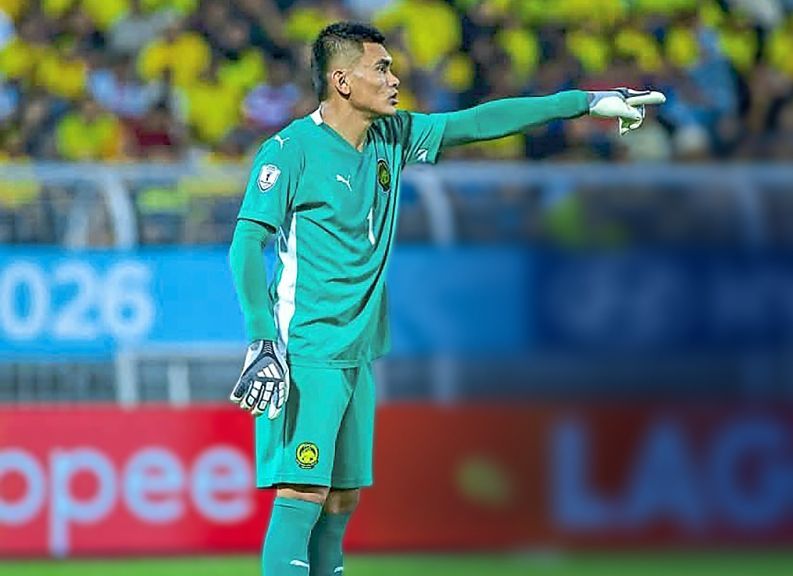
Malaysia's hopes of reaching the Hyundai AFF Cup final took a significant blow on Sunday when the Harimau Malaya succumbed to a 2-0 defeat against Vietnam at the Cheras Football Stadium in Kuala Lumpur. The result leaves the national team facing a daunting task when they travel to Hanoi for the second leg, needing to overturn the deficit against the defending champions in what has become an increasingly challenging campaign.
The match proved costly for Malaysia from its outset, with defensive disruptions compounding their difficulties on the field. Centre-back Rodney Celvin Akwensivie's early departure due to injury in the 15th minute forced coach Tan Cheng Hoe into an unplanned reshuffle, bringing young defender Aysar Hadi Sapri into the match. Such disruptions to a team's defensive structure can unsettle rhythm and positioning, a disadvantage Malaysia would struggle to overcome throughout the evening.
Despite their defensive setbacks, Malaysia created genuine opportunities to take the lead in the opening 45 minutes. Their most promising passage came in the 34th minute when the team squandered two chances separated by mere seconds. Left-back Faris Danish Asrul delivered a low, driven cross that found captain Paulo Josue, whose effort fell into the hands of Vietnamese goalkeeper Patrick Le Giang. The reprieve proved crucial when midfielder Daryl Sham George, presented with an essentially empty net, failed to convert by sending his shot sailing over the crossbar.
The inability to capitalise on such opportunities proved decisive. Vietnam seized control of the match through clinical execution, taking the lead before the interval when Xuan Son was left completely unmarked in the Malaysian penalty area. Wingback Truong Tien Anh supplied a pinpoint cross that the Vietnamese forward converted with a firm header, a goal born from a defensive lapse rather than sustained attacking pressure.
The second half saw Malaysia adjust their approach, committing more players forward to generate possession and create additional chances. Vietnam, meanwhile, retreated into a more compact defensive shape and looked to exploit spaces through swift counter-attacking moves that repeatedly troubled the Malaysian back line. This tactical battle between Malaysian possession and Vietnamese defensive solidity defined much of the latter stages.
One moment of controversy emerged when Vietnamese goalkeeper Le Giang was shown a red card in the 60th minute by Uzbekistan referee Rustam Lutfullin for an alleged handball outside his penalty area. However, a video assistant referee review overturned the decision after officials determined that Le Giang had not used his hands when clearing the ball, allowing him to remain on the pitch. Such VAR interventions, while often contentious, have become standard features of modern football and can dramatically alter match dynamics.
Tan Cheng Hoe responded to the stalemate by introducing tactical changes, bringing on winger Haqimi Azim Rosli and midfielder Ibrahim Manusi, who marked his international debut in the fixture. These substitutions were designed to inject fresh creativity and dynamism into Malaysia's attacking play, but Vietnam's disciplined defending remained impenetrable. The visitors demonstrated the tactical nous and experience befitting their status as defending cup champions, effectively neutralising Malaysia's attacking ambitions.
The match's denouement came in the 86th minute when Malaysia's misery was compounded by an own goal. Left-back Faris, who had otherwise performed reasonably, deflected the ball into his own net in unfortunate circumstances. Such defensive lapses, particularly late in matches when fatigue and frustration mount, frequently prove decisive in knockout football.
The path forward for Malaysia requires a dramatic reversal of fortunes at the MyDinh Stadium in Hanoi. Needing to overcome a two-goal deficit against Vietnam's proven championship pedigree represents a monumental challenge. The defending champions have demonstrated tactical organisation, defensive discipline, and clinical finishing—the hallmarks of tournament-winning teams. Malaysia must recover from the psychological blow of this defeat, address their defensive vulnerabilities, and somehow generate the attacking verve necessary to breach a well-drilled Vietnamese defence on hostile territory. The second leg will determine whether Malaysia can produce one of Southeast Asian football's notable comeback performances or whether Vietnam's path to another AFF Cup title remains secure.

