Malaysia is preparing for a landmark international sporting milestone as the nation gears up to participate in the inaugural FIH Para Hockey ID World Cup 2026, marking the first time this prestigious tournament will take place. The competition will unfold across venues in Belgium and the Netherlands from August 20 to 25, bringing together 16 of the world's best teams in para hockey specialising in the intellectual disability category. This inaugural event represents a significant opportunity for Malaysian para-athletes to showcase their capabilities and commitment to excellence on a truly global stage.
The Malaysian delegation will comprise a mixed-gender squad of 10 athletes—six men and four women—selected through a rigorous competitive process that commenced in December 2025. According to Shanker Retinam, assistant head of the Malaysian delegation, the selection methodology prioritised player performance metrics, dedication to structured training regimens, and demonstrated discipline both on and off the field. This comprehensive evaluation approach underscores the seriousness with which Malaysian sporting authorities are approaching the tournament and their commitment to fielding a team genuinely capable of competing at the world level.
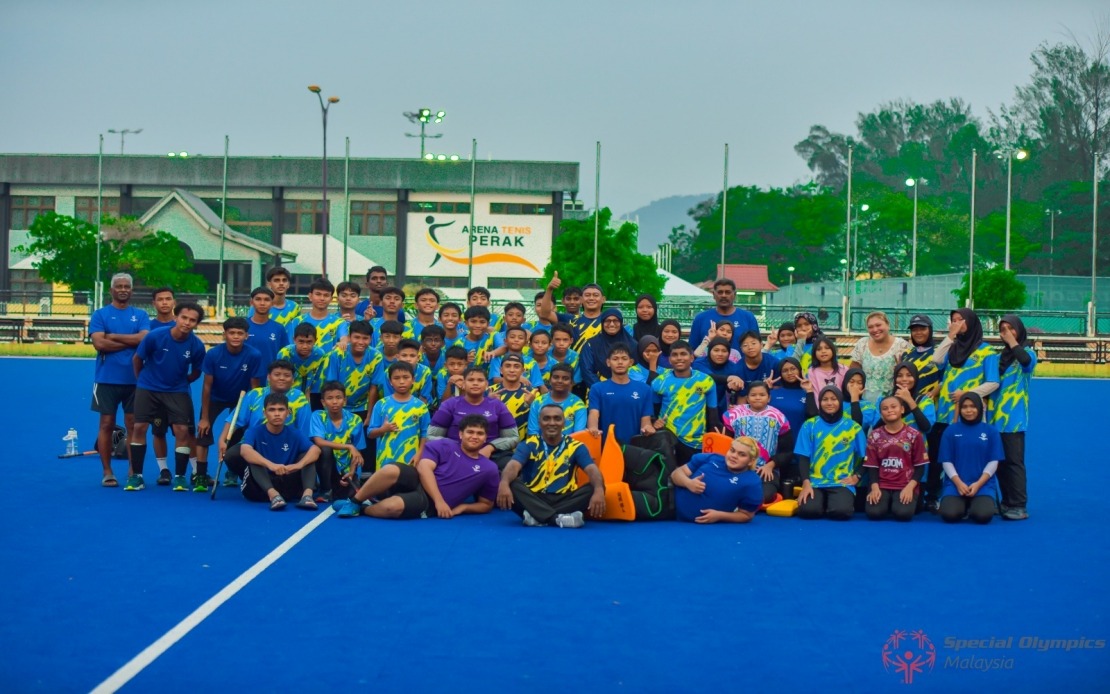
Preparation for the World Cup has been intensive and methodical. Since their selection, the chosen athletes have been participating in monthly centralised training sessions held in Ipoh, where they have refined their technical skills, tactical understanding, and team cohesion. This structured preparation phase reflects best practice in international sports development and suggests Malaysia's sporting bodies recognise that success at this level requires sustained, focused preparation rather than last-minute cramming. The investment in regular centralised training demonstrates confidence in the squad's potential and a recognition that para-athletes deserve the same professional support infrastructure as their able-bodied counterparts.
What elevates the significance of this World Cup considerably is its scheduling alongside the Men's and Women's Hockey World Cups at identical Belgian and Dutch venues. This convergence creates unprecedented visibility for para hockey, allowing mainstream sports audiences and media to witness the athleticism and competitive excellence of para-athletes competing in the same facilities used by elite able-bodied competitors. For Malaysian para-hockey, this symbiotic scheduling provides rare global exposure and positions intellectual disability para-hockey as a legitimate discipline worthy of international recognition and investment.
Malaysia's competitive positioning in the tournament will be determined by its placement in Pool B, where the team faces a genuinely challenging draw. The Malaysian squad shares its group with the Netherlands—the host nation and likely one of the tournament favourites—along with Argentina, England, Spain, India, Chile, and Bulgaria. This configuration ensures Malaysia will encounter teams of varying strengths and tactical approaches, providing valuable competitive experience regardless of the tournament's outcome. The team's opening fixture will see them contest against Bulgaria in the Netherlands, a match that could set the tone for their campaign.
The administrative and ceremonial preparations surrounding Malaysia's participation reflect the national importance ascribed to this sporting venture. The team is scheduled to depart for Europe on August 17, allowing adequate time for acclimatisation and final tactical preparations before competition commences. Notably, Sultan Nazrin Shah, the Sultan of Perak, will officiate at a flag-handover ceremony at the Royal Perak Golf Club, a gesture that underscores royal patronage and formal state recognition of the athletes' endeavour. Such high-level ceremonial endorsement elevates the psychological significance of the mission for the athletes and signals broader societal support for para-sports development in Malaysia.
The tournament's intellectual disability classification warrants explanation for readers unfamiliar with para-sports categorisation. Athletes competing in this category possess intellectual disabilities that affect their cognitive and adaptive functioning, yet who possess the physical capability to participate in hockey. This classification exists separately from physical disability classifications and represents a growing segment of international para-sports provision. Malaysia's participation in this specific category reflects the nation's expanding commitment to inclusive sports development and recognition that para-athletes with intellectual disabilities possess talents and competitive spirit deserving of international platforms.
For Malaysian sports development more broadly, this World Cup represents an important inflection point in the trajectory of para-hockey as an organised discipline within the national sporting ecosystem. Historically, para-sports in Malaysia have received considerably less investment, visibility, and institutional support compared to able-bodied sports, despite possessing equally talented athletes. The selection, preparation, and international competition of this 10-member squad signals a potential shift toward more equitable resource allocation and recognition of para-sports' inherent value and inspirational potential. Success or credible performance at the World Cup could generate momentum for sustained funding and development pathways for para-hockey and potentially other para-sports disciplines.
The geopolitical and regional dimensions of Malaysia's participation merit consideration as well. Competing against established para-hockey nations such as the Netherlands, Spain, and England will provide benchmark data on the competitive gap Malaysian athletes must close. Simultaneously, the presence of fellow Southeast and South Asian representatives—notably India—offers opportunities for regional peer learning and potential future collaborative development initiatives. As ASEAN nations increasingly focus on sports excellence and inclusive development, Malaysia's World Cup participation may catalyse broader regional engagement with para-sports infrastructure and talent identification systems.
Looking beyond the immediate tournament, this World Cup appearance establishes important institutional knowledge and athlete development pathways. The 10 selected competitors will return from Europe with direct experience of international competition standards, training methodologies, and tactical approaches employed by world-class para-hockey teams. This knowledge transfer becomes invaluable for coaching staff and incoming cohorts of para-athletes pursuing international representation. Furthermore, the tournament creates a documented baseline against which future Malaysian para-hockey performance can be measured and progress assessed across subsequent Olympic cycles and world championships.
The success metrics for Malaysia's campaign should not be limited solely to medal outcomes. Given the tournament's inaugural status and Malaysia's relatively nascent organised para-hockey programme, competitive participation itself represents a significant achievement. The team's ability to compete respectably against established programmes, demonstrate technical proficiency, and maintain competitive intensity across multiple matches would constitute meaningful progress. Additionally, the tournament provides Malaysia with genuine intelligence regarding player development priorities and the specific training emphasis required to narrow performance gaps with elite international programmes.
As the August departure date approaches, the Malaysian para-hockey team enters a critical phase of final preparation and psychological readiness. The athletes selected represent not merely themselves but rather the broader Malaysian para-sports community and the nation's evolving commitment to inclusive athletic development. Their performances in Belgium and the Netherlands will be observed by domestic sporting authorities, international para-sports organisations, and crucially, by younger para-athletes who may view this World Cup team as inspirational proof that elite international competition remains accessible and achievable. In this sense, the significance of Malaysia's inaugural World Cup participation transcends competitive outcomes and resonates as a statement about national values and the place of para-athletes within Malaysia's sporting identity.

