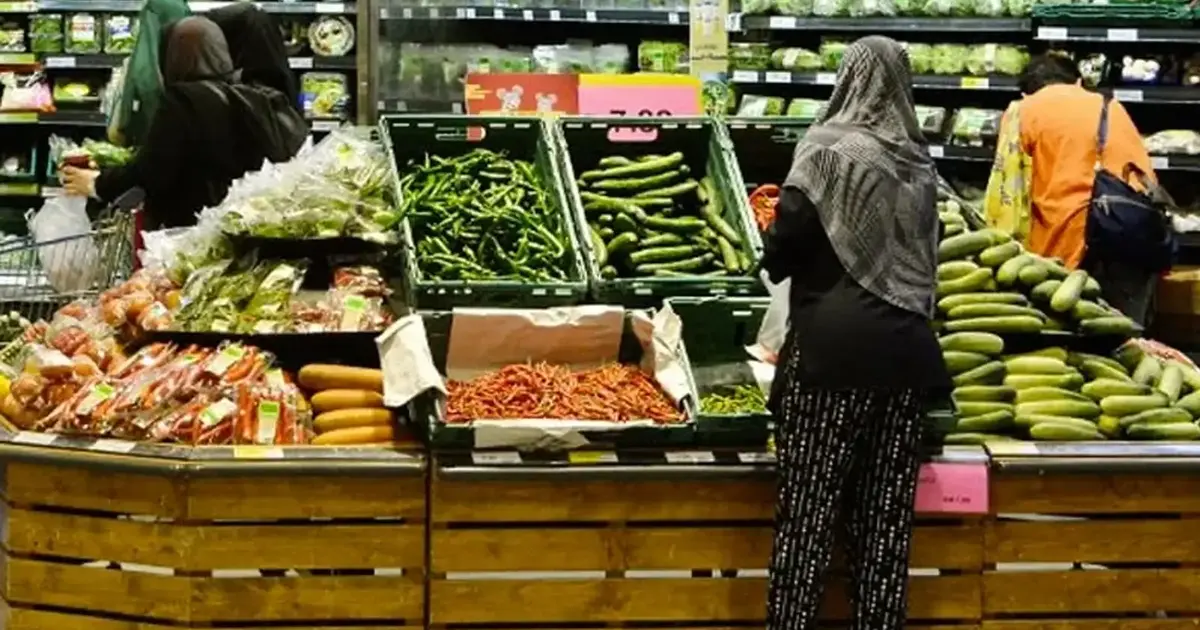
Deputy Prime Minister Ahmad Zahid Hamidi has signalled the government's intention to broaden the scope of the SARA subsidies programme, potentially extending financial assistance to encompass fresh vegetables and fruits alongside its existing coverage. The proposal represents a strategic pivot in Malaysia's approach to managing household expenses, particularly for essential food items that form the foundation of the nation's dietary needs.
The expansion would be formally tabled before the National Action Council on Cost of Living, the cabinet-level body established to coordinate and oversee policies aimed at mitigating inflationary pressures on Malaysian households. This institutional pathway underscores the seriousness with which the government is treating the proposal, indicating that any extension would require formal deliberation and consensus among key economic and social policy stakeholders.
The SARA programme, which stands as one of the government's flagship initiatives to address affordability challenges, currently targets selected essential items that weigh heavily on household budgets. By potentially incorporating fresh produce—a category that encompasses diverse vegetables and fruits critical to public health and nutrition—the initiative would address a broader spectrum of the population's daily needs. Fresh produce represents a significant expenditure for Malaysian families, particularly those in lower and middle-income brackets who dedicate a substantial proportion of their earnings to food purchases.
The timing of this proposal reflects ongoing concerns about the rising cost of living, an issue that has gained considerable political prominence across Southeast Asia. In Malaysia's case, persistent inflation in food categories has prompted various government interventions aimed at cushioning the financial burden on consumers. The decision to examine expansion of SARA demonstrates recognition that current subsidy mechanisms may not fully address the scope of affordability challenges confronting ordinary households.
Incorporating vegetables and fruits into the subsidy framework would carry multiple implications. From a public health perspective, subsidising fresh produce could encourage consumption of nutritious food items, potentially improving dietary outcomes across the population. Economically, such an expansion would signal sustained government commitment to managing living costs, a pledge that carries electoral resonance given the sensitivity of inflation issues among voters. However, any widening of the scheme would require careful consideration of budgetary implications and potential impacts on domestic agricultural producers.
The agricultural sector would face particular scrutiny in evaluating such proposals. Malaysia's vegetable and fruit producers, ranging from small-scale farmers to commercial enterprises, operate within competitive markets where pricing and production costs directly influence profitability and sustainability. Subsidy mechanisms must balance consumer affordability with producer viability, ensuring that price controls do not inadvertently discourage local production or create market distortions that disadvantage farmers.
Regionally, Malaysia's interest in subsidy expansion reflects patterns visible across Southeast Asia, where governments grapple with inflation management in food sectors. The approach adopted by Kuala Lumpur could potentially influence neighbouring countries' policy considerations, as policymakers observe effectiveness and implementation challenges across the region's various economic contexts.
The formal submission to the National Action Council on Cost of Living will require comprehensive analysis of multiple dimensions. Budgetary estimates must account for the substantial volume of vegetables and fruits consumed nationally and the subsidy levels required to generate meaningful price reductions for consumers. Administrative frameworks must be evaluated to determine optimal implementation mechanisms, whether through direct price controls, voucher systems, or subsidies directed to producers and retailers.
Successful expansion would depend on coordinated engagement with multiple stakeholders. Agricultural ministries, economic planning bodies, retailers, and farmer associations would all require consultation to develop workable implementation strategies. Supply chain considerations, from cultivation through distribution, would need examination to identify optimal intervention points that maximise consumer benefits while minimising disruption to market functions.
The proposal also reflects broader recognition that cost-of-living pressures extend beyond basic staple grains and cooking essentials. Fresh produce, while potentially more volatile in pricing due to weather and seasonal factors, represents a consistent household expenditure that directly affects dietary quality and health outcomes. Malaysian households increasingly recognise the importance of balanced nutrition, and affordability constraints on vegetables and fruits may inadvertently push consumption patterns toward less healthy alternatives.
Implementation timing remains undetermined pending the council's deliberations. Deputy PM Ahmad Zahid Hamidi's proposal now enters the formal policy evaluation process, where technical, financial, and administrative feasibility assessments will determine viability and scope. The coming months will reveal whether expansion emerges as concrete policy or remains under extended review, reflecting the complex considerations inherent in expanding subsidy mechanisms within Malaysia's current fiscal environment.

