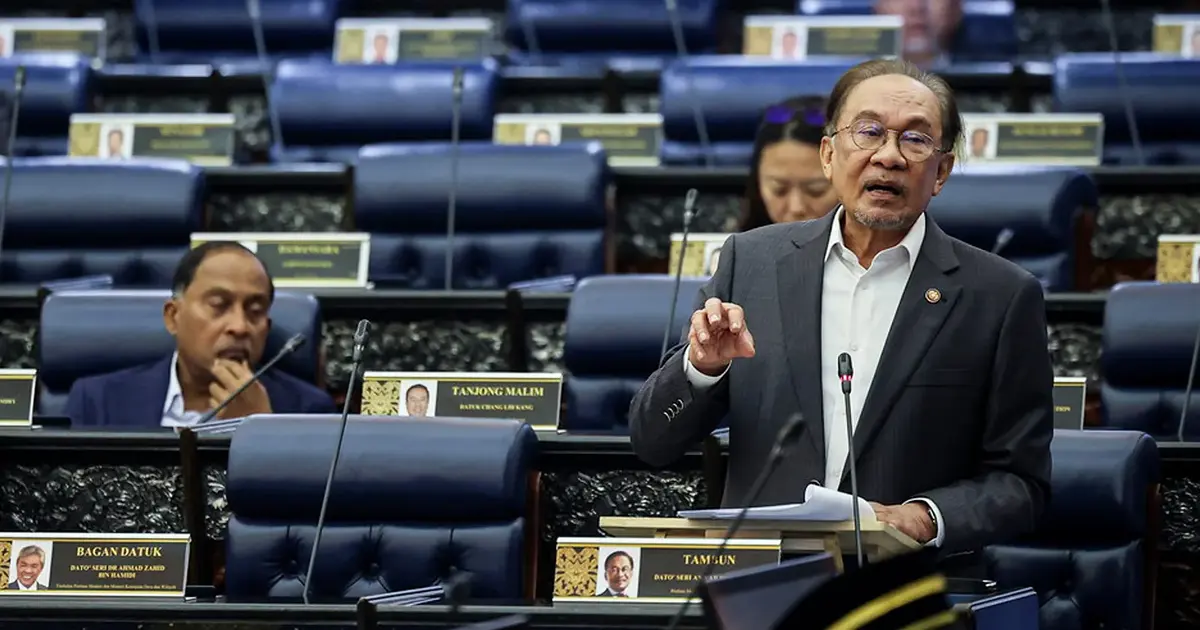
Malaysia has extended a critical compliance window for businesses struggling with electronic invoice requirements, with Prime Minister Anwar Ibrahim confirming that organisations making voluntary corrections to their e-invoice records will face no financial penalties through the end of 2027. This extension represents a significant relief measure during an ongoing digital transition that affects thousands of companies across the nation's economic landscape.
The decision reflects growing recognition that the shift toward mandatory digital invoicing remains challenging for many Malaysian enterprises, particularly small and medium-sized businesses that lack sophisticated accounting infrastructure. By removing the threat of penalties for self-correcting errors during this extended period, the government aims to encourage honest compliance rather than inadvertent violations that could cripple operations for companies still adapting to new systems.
Prime Minister Anwar indicated that Malaysia's second finance minister would engage directly with petroleum companies on this matter, suggesting that the oil and gas sector—a cornerstone of the national economy—faces particular implementation complexities. This sector-specific consultation underscores how energy companies, which operate integrated supply chains with international operations, must reconcile global accounting standards with domestic requirements while managing the technical demands of the e-invoice system.
The e-invoice system, designed to enhance tax transparency and modernise Malaysia's revenue collection mechanisms, has created substantial operational adjustments for companies accustomed to paper-based or legacy digital systems. The grace period through 2027 acknowledges that achieving flawless digital compliance across diverse industry segments requires realistic timeframes, not punitive enforcement that could drive businesses toward non-compliance or informal alternatives.
For multinational corporations and large local enterprises already operating sophisticated enterprise resource planning systems, the voluntary correction framework poses manageable requirements. However, smaller companies without dedicated tax compliance departments face steeper learning curves when integrating new invoicing protocols alongside existing business processes. The penalty-free correction window effectively converts enforcement into a collaborative approach, encouraging voluntary disclosure rather than discovery-based penalties that damage business relationships with tax authorities.
The timing of this announcement carries particular significance as Malaysia competes regionally for foreign investment and seeks to strengthen business confidence during economic cycles influenced by commodity price volatility and global supply chain uncertainties. A punitive approach to technical compliance failures could discourage investment in jurisdictions where businesses fear disproportionate enforcement over genuine effort to comply with evolving regulations.
Engagement with oil companies specifically reflects their unique operational structure, where a single corporate transaction might generate multiple invoice requirements across subsidiary companies, joint ventures, and contractual arrangements with local and international partners. These complex commercial relationships create genuine challenges in achieving perfect e-invoice alignment without substantially reengineering business systems—a reality that demands pragmatic policy responses rather than rigid compliance deadlines.
Regional observers note that Malaysia's approach contrasts with some neighbouring economies' stricter implementation frameworks. This grace period positions Malaysia as business-friendly during a critical technological transition, potentially influencing corporate decisions about regional headquarters location and operational expansion. The message to investors is clear: regulatory modernisation will proceed systematically rather than punitively.
The extension through 2027 also provides domestic businesses time to develop internal expertise and potentially source affordable compliance solutions now emerging from local technology vendors. Rather than racing to implement expensive international software solutions, Malaysian companies can explore purpose-built systems designed specifically for local e-invoice requirements, fostering domestic technology innovation while improving practical compliance outcomes.
Government officials recognise that voluntary corrections themselves yield valuable data about implementation challenges and systemic problems with the e-invoice framework. When businesses proactively report discrepancies without penalty fears, authorities gain insights into where technical specifications conflict with business realities, enabling policy refinement before stricter enforcement phases commence. This collaborative learning approach benefits all stakeholders far more than adversarial enforcement would.
The commitment to penalty-free corrections until end-2027 implicitly establishes a timeline for transitioning toward full enforcement with penalties thereafter. Businesses now understand their window for achieving compliance without financial consequences, creating clear incentives for systematic implementation planning. Those delaying action face mounting pressure as the deadline approaches, encouraging deliberate action rather than crisis-driven scrambling.
For Malaysia's broader digital economy agenda, this e-invoice framework represents just one component of comprehensive modernisation affecting tax administration, corporate reporting, and government revenue collection. The generous compliance window signals that while digital transformation remains mandatory, the government understands implementation requires realistic timeframes and pragmatic enforcement aligned with genuine business capacity rather than theoretical compliance ideals.
As companies proceed through this extended transition period, the collaboration between government authorities and petroleum sector representatives will likely establish precedents for how other industries address similar challenges. The collaborative approach initiated through Prime Minister Anwar's announcement suggests future policy responses will balance regulatory objectives with practical business realities, creating sustainable frameworks that encourage compliance through partnership rather than punishment.

