Malaysia has taken a significant step in combating transnational child sexual exploitation by passing the Sexual Offences Against Children (Amendment) Bill 2026 through the Dewan Negara on July 23. The legislation extends the government's prosecutorial reach beyond national borders, allowing authorities to pursue offenders who have meaningful ties to Malaysia even when crimes occur in foreign jurisdictions. This development addresses a troubling trend that has prompted lawmakers to strengthen the nation's legal framework against one of the most serious crimes affecting vulnerable populations.
The urgency behind the amendment becomes evident when examining crime statistics from recent years. Between 2021 and 2025, reported cases of child sexual offences involving foreign nationals surged by 117 per cent, escalating from 1,095 incidents to 2,385 cases. This trajectory reveals not merely a spike in criminal activity but a fundamental shift in how perpetrators operate, increasingly crossing international borders to exploit children. The demographic composition of foreign suspects also paints a concerning picture, with the majority originating from Indonesia, Bangladesh, Myanmar, and Pakistan, suggesting that the problem extends well beyond isolated incidents and reflects broader regional challenges.
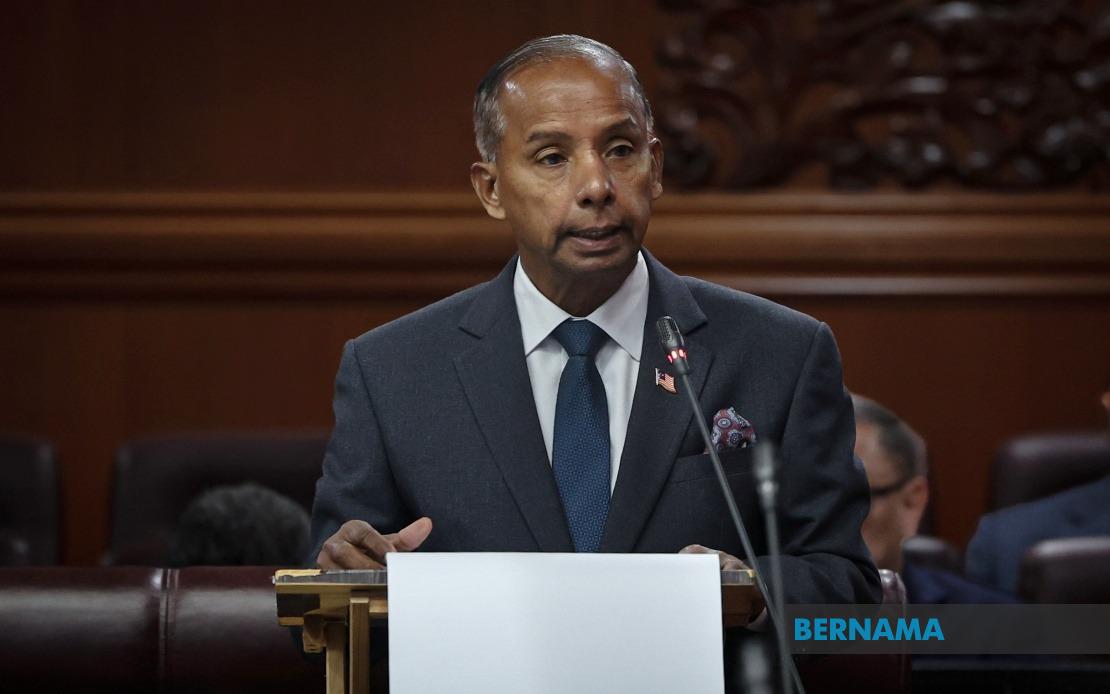
Deputy Minister M. Kulasegaran, speaking in his capacity with the Prime Minister's Department (Law and Institutional Reform), emphasised that Malaysia's previous jurisdictional framework proved insufficient to address this evolving threat. The legislative amendment fundamentally alters how authorities can respond by establishing that individuals with substantial connections to Malaysia cannot simply evade accountability by committing crimes abroad. This represents a crucial shift from a reactive approach limited by geographical boundaries to a proactive stance that recognises the interconnected nature of modern criminal networks targeting children.
The expansion of jurisdictional authority serves a specific purpose within Malaysia's broader law enforcement strategy. Rather than limiting prosecutions to offences occurring within Malaysian territory, the amended legislation enables action against perpetrators who demonstrate clear links to the country, whether through citizenship, residency, employment, or other material connections. This approach aligns with international best practices adopted by countries facing similar challenges and acknowledges that child protection cannot remain confined within traditional territorial limitations.
Beyond jurisdictional expansion, the government has simultaneously strengthened its technological capacity to investigate and prosecute increasingly sophisticated forms of child sexual exploitation. The Royal Malaysia Police has identified five critical investigative protocols specifically designed to address digital forensic challenges in an era where artificial intelligence and deepfake technology enable new forms of abuse. These protocols represent a recognition that traditional investigative methods prove inadequate when confronting technology-enabled crimes that can be perpetrated remotely across international lines.
The digital forensic framework encompasses multiple investigative layers, beginning with comprehensive analysis of artificial intelligence models and examination of system logs to establish digital fingerprints linking suspects to illegal material. Investigators will employ sophisticated techniques including IP address tracing to identify perpetrator locations and hash value verification to maintain the integrity of digital evidence throughout the chain of custody. This methodological rigor ensures that digital evidence gathered through complex technological means will satisfy judicial standards and withstand courtroom scrutiny, a critical requirement when prosecutions depend heavily on digital evidence.
The emergence of deepfake technology presents a particularly insidious variant of child sexual abuse material, enabling criminals to fabricate explicit imagery without necessarily exploiting real children initially. However, such synthetic content perpetuates demand for child exploitation, normalises abuse, and often precedes progression to contact offences against actual victims. The police's capacity to detect and analyse these artificially generated images represents an essential defensive capability, allowing authorities to identify and apprehend perpetrators before they escalate to direct contact crimes.
Supporting investigative protocols involve gathering collateral evidence through telecommunications records and digital platform logs, creating a comprehensive evidentiary picture that establishes suspect connections to specific offences. The preparation of expert digital forensic reports transforms raw technical data into legally admissible scientific findings capable of withstanding expert witness challenges during prosecution. This structured approach acknowledges that successful conviction in technology-enabled crimes requires not merely discovering incriminating digital material but constructing an impeccable forensic narrative that establishes guilt beyond reasonable doubt.
Minister Datuk Seri Azalina Othman Said, who tabled the legislation in parliament, characterised the amendment as sending an unambiguous message about Malaysia's commitment to child protection. While the legislative text itself remains relatively concise, its operational impact extends significantly, establishing enforcement authority in circumstances previously beyond legal reach. The brevity of the amendment belies its substantive consequences for how Malaysia will address one of the most persistent and troubling forms of criminal activity.
The Dewan Rakyat had already approved the legislation on June 30, establishing broad parliamentary support across political divides for strengthening child protection mechanisms. This cross-party consensus reflects growing recognition that child sexual exploitation transcends traditional political disagreements and demands unified responses. The amendment to the Sexual Offences Against Children Act 2017 now codifies this commitment into enforceable law, providing prosecutors and law enforcement with explicit statutory authority to pursue offenders with Malaysian connections regardless of where crimes occur.
For Malaysia's neighbours and regional partners, this legislative development carries broader implications. The amendment acknowledges that cross-border child exploitation networks often operate through Southeast Asia, exploiting regulatory gaps and jurisdictional ambiguities. By strengthening its own prosecutorial authority, Malaysia potentially strengthens regional deterrence effects and contributes to a less permissive environment for exploitation networks operating throughout the region. The framework also creates legal mechanisms for enhanced cooperation with other countries pursuing similar legislative approaches.
The practical implementation of this expanded jurisdiction will ultimately depend on coordination between Malaysian law enforcement agencies and international partners. Establishing which offenders possess sufficient connection to Malaysia will require careful case-by-case assessment, while gathering evidence from foreign jurisdictions will depend on mutual legal assistance treaties and informal cooperation channels. The legislation thus represents one component of a larger international effort to construct barriers against transnational crimes targeting children.
Moving forward, Malaysia faces the ongoing challenge of translating enhanced legal authority into effective prosecutions while simultaneously addressing the underlying factors that make certain populations vulnerable to exploitation. The amendment addresses the legal dimension of the problem directly, but sustainable progress will require sustained investment in victim support services, community education, and development initiatives in source countries that drive migration patterns enabling exploitation. The legislation represents important progress, but only within a comprehensive strategy addressing child protection holistically.

