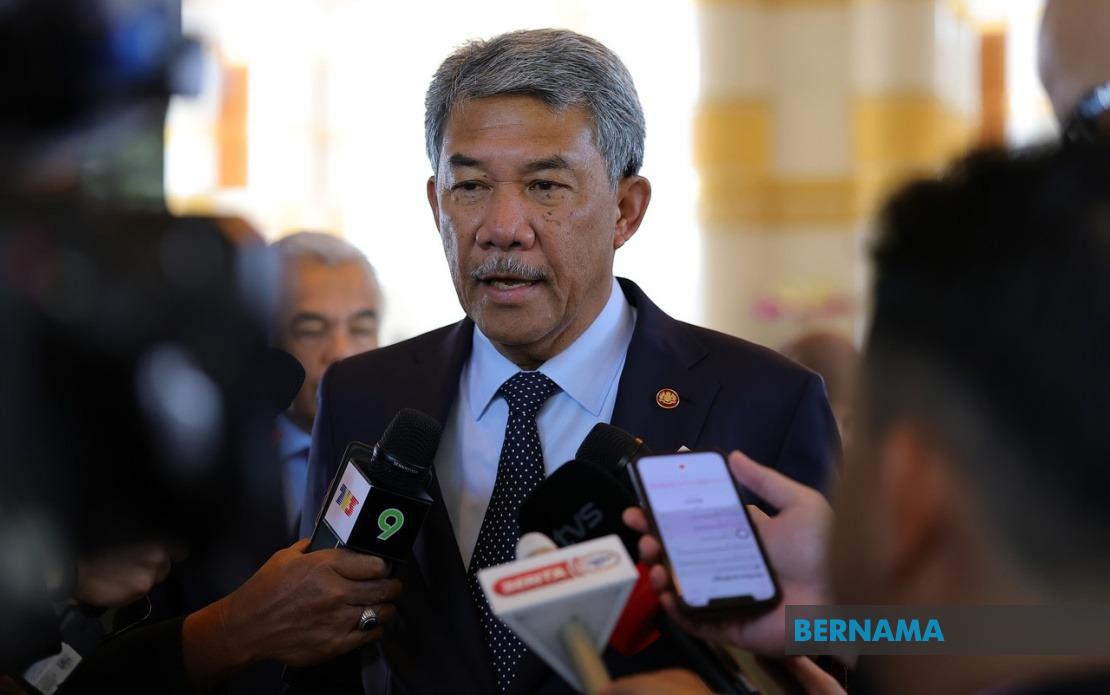
Malaysia is turning to the established multilateral structures of ASEAN to confront the growing transboundary haze crisis affecting multiple areas across Southeast Asia. Foreign Minister Datuk Seri Mohamad Hasan announced the strategic shift during a working visit to Brunei, emphasizing that regional cooperation through ASEAN represents the most viable pathway to resolving environmental challenges that transcend national borders.
The decision reflects Malaysia's confidence in the ten-nation bloc as an instrument for regional problem-solving. Mohamad stressed that ASEAN provides the institutional framework best suited to facilitate dialogue and coordinated action among member states sharing the environmental burden of transboundary pollution. Rather than pursuing bilateral channels alone, Malaysia has determined that engaging the regional organization carries greater legitimacy and potential for comprehensive solutions that address root causes across multiple jurisdictions.
The Ministry of Natural Resources and Environmental Sustainability (NRES) will formally communicate Malaysia's concerns to the ASEAN Secretariat through official diplomatic channels. This procedural step represents a formal escalation of the issue within regional governance structures, elevating the haze crisis from a bilateral environmental matter to one demanding collective Southeast Asian attention. The timing and content of such correspondence carries political weight, signaling to ASEAN members that Malaysia views the situation with sufficient urgency to warrant institutional intervention.
In parallel, NRES Minister Datuk Seri Arthur Joseph Kurup will establish direct contact with his Indonesian counterpart, maintaining the critical bilateral relationship while simultaneously pursuing the multilateral avenue. This two-pronged approach balances diplomatic protocol with the practical reality that Indonesia, as the largest nation in ASEAN and a major contributor to regional haze patterns, holds disproportionate influence over environmental outcomes. The ministerial correspondence underscores Malaysia's belief that both channels—regional and bilateral—must operate in tandem to achieve measurable improvements.
The transboundary haze phenomenon represents one of Southeast Asia's most persistent environmental challenges, returning with seasonal regularity and affecting millions across multiple nations. Unlike issues that remain confined within single borders, haze transcends geography and sovereignty, making unilateral action insufficient. ASEAN's existing frameworks, developed over decades of regional integration, provide established protocols for addressing such cross-boundary concerns, even though implementation remains inconsistent.
Mohamad's remarks during his three-day Brunei visit carried particular significance given the bilateral agenda already in motion. The 27th Malaysia-Brunei Exchange of Letters meeting and the subsequent Annual Leaders' Consultation provided natural platforms to address haze as a matter of mutual concern. Prime Minister Datuk Seri Anwar Ibrahim and Sultan Hassanal Bolkiah were expected to discuss the haze issue, with Malaysian High Commissioner Datuk Mohd Aini Atan previously confirming its place on the diplomatic agenda. This integration of the environmental crisis into high-level bilateral discussions demonstrated the issue's elevation within Malaysia's immediate regional relations.
The air quality crisis reaching Malaysian territories had become increasingly acute by late August. Data from the Malaysian Air Pollutant Index Management System showed Sarawak bearing the brunt of pollution, with the Serian District Police Headquarters recording a severe API reading of 217, categorized as "very unhealthy" and posing significant health risks to populations in affected areas. Nine other Sarawak locations reported "unhealthy" classifications, with API readings ranging from 108 to 186. The concentration of high pollution readings in Sarawak, positioned directly opposite Indonesian Kalimantan, underscored the transboundary nature of the contamination.
The persistence of elevated API readings across multiple Sarawak districts indicated that the haze event had evolved beyond isolated pollution spikes to become a regional phenomenon warranting coordinated response. Sarikei, Kuching, Sibu, and Bintulu—communities spanning Sarawak's western and coastal regions—all experienced significant air quality degradation. Such widespread pollution impacts public health, disrupts economic activity, and strains healthcare systems already managing concurrent challenges. The geographical distribution of affected areas suggested atmospheric patterns carrying pollution across considerable distances, reinforcing the necessity of cross-border cooperation.
Malaysia's reliance on ASEAN mechanisms reflects both institutional preference and pragmatic recognition of regional power dynamics. While bilateral relationships carry importance, channeling concerns through ASEAN provides diplomatic cover and suggests that pollution control represents a shared regional responsibility rather than a grievance held by a single nation. This framing potentially increases receptiveness from Indonesia and other ASEAN members by positioning environmental stewardship as a collective obligation rather than an external demand.
The ASEAN Secretariat, headquartered in Jakarta, serves as the organizational hub coordinating member-state activities and facilitating dialogue on matters of common concern. Submitting formal correspondence to the Secretariat initiates procedural mechanisms that can elevate haze discussions to specialized ASEAN committees and working groups already tasked with environmental affairs. These bodies possess authority to convene member states, facilitate technical discussions, and recommend coordinated policy responses—capabilities absent in purely informal diplomatic channels.
Indonesia's central role in haze generation stems from agricultural practices, particularly controlled burning of land to clear vegetation for palm oil and pulpwood plantations concentrated in Sumatra, Kalimantan, and other provinces. Smoke dispersion patterns carry substantial portions of this pollution northeastward during specific seasons, affecting Malaysia, Brunei, and Singapore. Previous years have witnessed similar cycles, suggesting structural factors driving recurrence rather than isolated incidents. Addressing root causes requires Indonesia's voluntary cooperation or external pressure sufficient to alter economic incentives governing land-use decisions.
Singapore has historically pursued ASEAN mechanisms alongside bilateral engagement when confronting transboundary haze, establishing Malaysia's approach within regional precedent. The three most-affected nations—Malaysia, Singapore, and Brunei—share common interest in pressuring ASEAN to strengthen enforcement of existing agreements and establish binding commitments regarding land-use practices and burn control. Malaysia's formal diplomatic initiative signals willingness to lead this multilateral push while maintaining respectful engagement with Indonesia as a valued ASEAN partner.
The efficacy of Malaysia's ASEAN-centric strategy ultimately depends on whether existing regional frameworks can translate diplomatic engagement into enforceable commitments affecting Indonesian land-use policies. Previous haze crises have generated similar declarations and working-group formations without producing consistent improvements, suggesting structural limitations in ASEAN's capacity to regulate member-state economic behavior. Nevertheless, maintaining multilateral channels and demonstrating commitment to collective problem-solving represents Malaysia's best available diplomatic option within the constraints of regional governance architecture.

