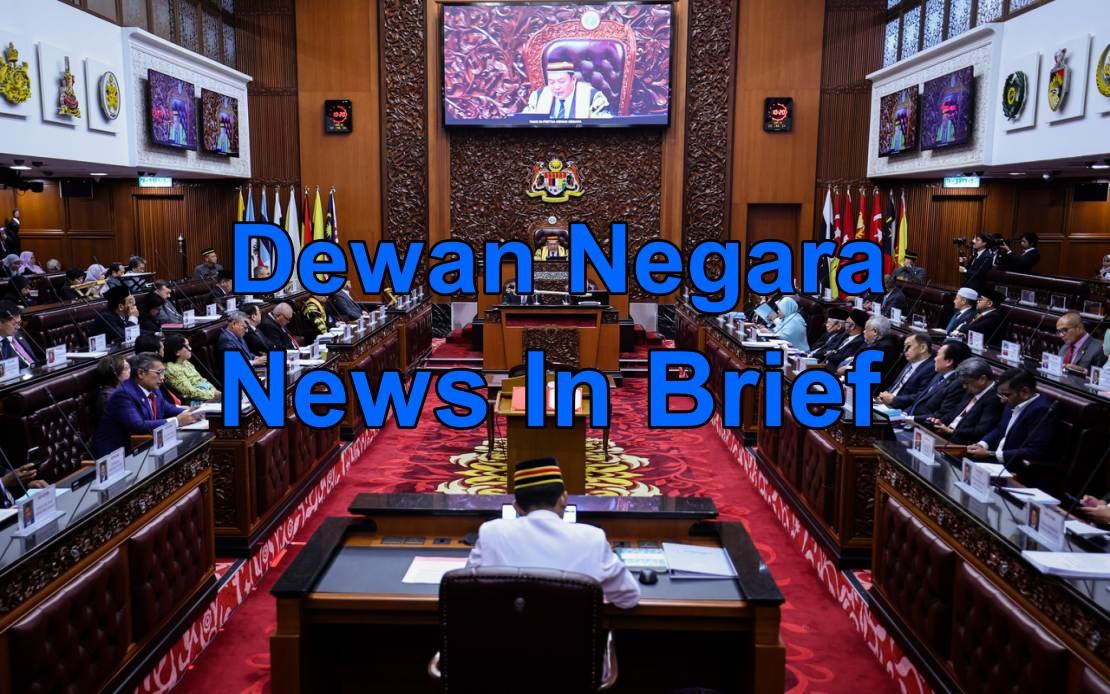
Malaysia is intensifying its climate adaptation strategy through large-scale cloud seeding operations, deploying atmospheric intervention techniques to mitigate the prolonged drought conditions associated with El Niño that have threatened the nation's water security. Between February and June, authorities conducted 35 separate cloud seeding operations across strategically selected locations throughout the country, representing a coordinated effort to enhance rainfall patterns and bolster dam water levels during what has been an exceptionally dry period.
Deputy Natural Resources and Environmental Sustainability Minister Syed Ibrahim Syed Noh outlined the multifaceted rationale behind these operations during parliamentary questioning, explaining that the initiative addresses not only water scarcity but also the cascading effects of prolonged heat and dryness on public welfare and environmental quality. The operations, implemented in tandem with the National Disaster Management Agency and the Royal Malaysian Air Force, are calibrated according to precise atmospheric conditions, ensuring interventions are conducted only when meteorological patterns favour successful cloud formation and precipitation.
The cloud seeding programme reflects Malaysia's vulnerability to El Niño's grip, which meteorologists project will persist through early 2027, creating sustained pressure on water supplies, agricultural output, and public health infrastructure. Senator Michael Mujah Lihan's parliamentary question highlighted concerns across these multiple dimensions, underscoring how climate variability threatens interconnected systems from household water access to food production and disease prevention. The government's response demonstrates recognition that technological mitigation alone cannot substitute for comprehensive drought preparedness, yet such measures provide valuable breathing room during critical shortage periods.
On the domestic economic front, Malaysia's Progressive Wage Policy has emerged as a measurable success in addressing wage stagnation for lower-income workers, a persistent challenge across Southeast Asia's labour markets. The policy, which establishes structured wage progression frameworks for participating employers, has delivered tangible improvements since inception: entry-level workers have experienced a 15.79 per cent median wage increase, rising from RM1,900 to RM2,200 monthly. This gain exceeds initial programme expectations, with 51,363 employees benefiting thus far and the original target of 50,000 participants already surpassed.
Economy Minister Akmal Nasrullah Mohd Nasir reported that non-entry-level workers have also benefited substantially, though at a more modest rate, with median monthly wages climbing 10.86 per cent from RM2,199.15 to RM2,438, translating to an additional RM238.86 monthly. The differential impact across wage tiers reflects the policy's design principle of providing steeper wage progression for workers at the lower end of the economic spectrum, targeting those most vulnerable to wage suppression. With 4,025 employers participating in the scheme, the policy represents a collaborative approach between government and the private sector to address wage inequality without imposing direct mandates that might discourage business participation.
The government has committed RM300 million toward the Progressive Wage Policy through 2027, signalling substantial institutional support for what could become a model for regional labour market intervention. Officials are currently preparing a comprehensive impact assessment to evaluate whether the policy's success justifies expansion beyond current parameters, potentially broadening its reach across additional sectors and worker categories. For Malaysian readers, this development carries particular significance given ongoing debates about living wages and income adequacy, issues that resonate across urban and rural communities as inflation erodes purchasing power.
In cultural matters, the Tourism, Arts and Culture Ministry is advancing the recognition of Malaysian Tamil music as national heritage, acknowledging the artistic contributions of Tamil-speaking communities to Malaysia's multicultural identity. Deputy Minister Chiew Choon Man indicated the ministry's receptiveness to heritage designation for Tamil compositions and lyrics under the National Heritage Act 2005, contingent upon completion of rigorous documentation and evaluation processes. The initiative responds to Senator K. Saraswathy's advocacy for systematic identification and archiving of Tamil musical traditions, reflecting broader conversations about preserving Malaysia's diverse cultural legacy.
The heritage recognition process requires that prospective works undergo structured research and evaluation frameworks that assess artistic merit, historical significance, and cultural contribution to the broader Malaysian narrative. This methodical approach ensures that heritage designations rest on substantive grounds rather than symbolic gestures, lending authentic weight to recognition. For Malaysia's Tamil-speaking population, such initiatives affirm the value of their cultural contributions while creating institutional mechanisms for preservation that might otherwise be neglected in an era of rapid social change.
Parliamentary proceedings also addressed concerns about merchant burden under the Sumbangan Asas Rahmah assistance programme, which utilises a one per cent merchant discount rate to fund operational costs. Finance Minister II Datuk Seri Amir Hamzah Azizan acknowledged that while this charge structure insulates aid recipients from direct costs, small traders and retailers may experience disproportionate impact given their typically slender profit margins. The government committed to periodic review of the merchant discount rate mechanism, signalling openness to adjustment should evidence demonstrate excessive burden on small business operators.
The Sumbangan Asas Rahmah framework represents an innovative approach to targeted assistance, shifting the cost burden from recipients to participating merchants while maintaining a sustainable funding mechanism. The one per cent MDR, which is deducted from transaction value and channelled to Yayasan MyKasih, covers system development, technical support, merchant training, and complaint management. However, for small retailers already navigating thin margins amid competition from larger chain retailers, even modest percentage-based charges can accumulate into meaningful cost pressures. The government's commitment to review this rate acknowledges this reality and reflects sensitivity to small business concerns that are particularly acute across Malaysia's diverse retail landscape.
These parliamentary updates collectively illustrate Malaysia's multi-front engagement with contemporary challenges ranging from climate adaptation to labour market equity, cultural preservation, and economic inclusivity. The cloud seeding initiative responds to environmental pressures that transcend national boundaries, while the Progressive Wage Policy addresses internal distributional concerns and the SARA programme review reflects attentiveness to unintended consequences of otherwise well-intentioned policies. Tamil heritage recognition demonstrates commitment to pluralism and cultural acknowledgement. Together, these developments reveal a government wrestling with the interconnected nature of modern governance challenges and the necessity of calibrated responses that balance competing interests across economic, environmental, and social domains.

