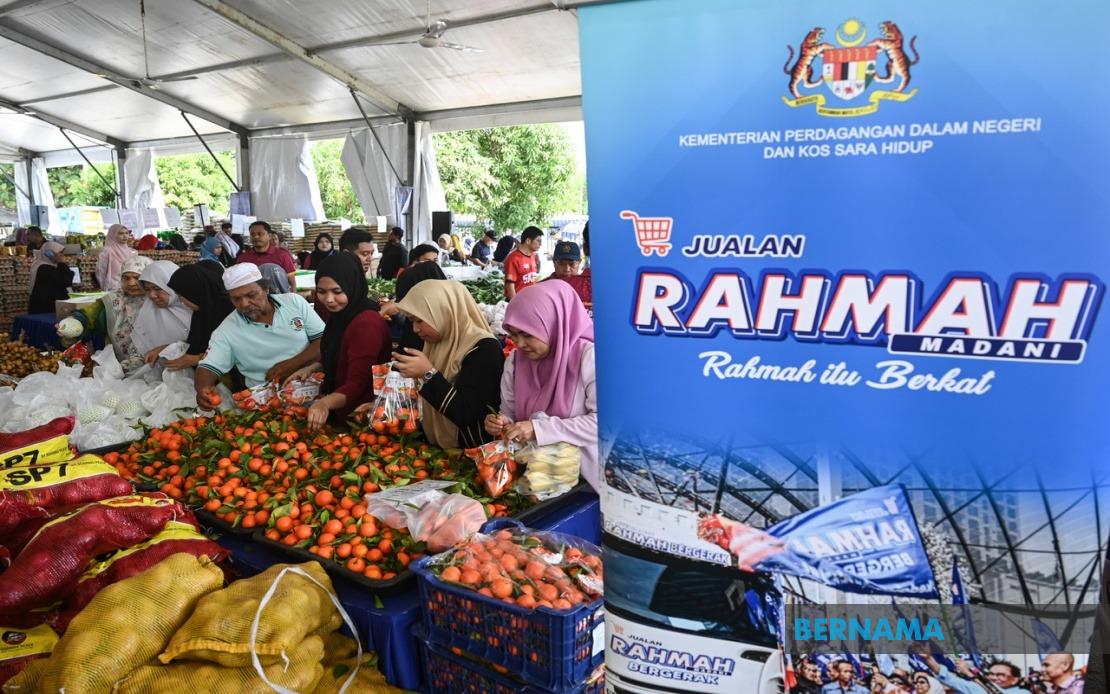
Prime Minister Datuk Seri Anwar Ibrahim has unveiled plans to launch the Ihsan Rahmah 9.9 online sale on September 9, 2026, marking a significant shift in how Malaysia implements its cost-of-living relief initiatives. The announcement came during his address at the TikTok Shop Summit Malaysia in Kuala Lumpur, signalling the government's commitment to leveraging digital platforms for broad-based economic support during the Malaysia Day celebration.
The initiative represents a milestone for the Jualan Rahmah programme, which the Ministry of Domestic Trade and Cost of Living has operated to provide everyday necessities at discounts ranging from 10 to 30 per cent below standard retail prices. By transitioning to an online format for the first time, the programme aims to reach significantly more Malaysians across urban and rural areas, reducing geographical barriers that have traditionally limited participation in physical sales events.
Anwar emphasised that the online sale symbolises "comprehensive support for 34.5 million Malaysians," reflecting the government's recognition that economic growth alone cannot address the persistent challenges ordinary households face when purchasing basic goods. The timing during Malaysia Day underscores the national dimension of the initiative, positioning it as a unifying measure that benefits all citizens regardless of income level or region.
The government has secured backing from multiple ministries and stakeholders to ensure the sale's success and accessibility. Communications Minister Datuk Seri Fahmi Fadzil, Entrepreneur and Cooperative Development Minister Steven Sim Chee Keong, and Domestic Trade and Cost of Living Minister Datuk Armizan Mohd Ali were present at the announcement, illustrating the cross-departmental coordination required to execute such a large-scale digital commerce event.
Anwar articulated a broader policy philosophy during his remarks, noting that robust economic performance must be accompanied by tangible improvements in citizens' daily lives. He specifically highlighted education, healthcare, basic infrastructure, and cost of living as interconnected priorities that determine whether growth translates into genuine quality-of-life improvements. This framing positions the Ihsan Rahmah online sale within a comprehensive socioeconomic agenda rather than treating it as an isolated promotional exercise.
The shift to digital commerce reflects global trends in how governments deliver targeted economic relief. E-commerce platforms have demonstrated capacity to process large transaction volumes efficiently while maintaining transparent pricing and reaching geographically dispersed populations. For Malaysia, where internet penetration has expanded significantly in recent years, an online format removes logistical constraints that plague traditional physical sales, which often accumulate crowds and generate queuing inefficiencies.
The Prime Minister stressed the importance of widespread promotion to ensure maximum awareness and participation across all demographic segments. This recognition acknowledges that implementation excellence depends not merely on platform availability but on sustained communication efforts that reach Malaysians through diverse media channels and community networks. The involvement of TikTok Shop as a venue for announcing the initiative suggests social media and short-form video platforms will likely feature prominently in promotional strategies.
For consumers, the 10 to 30 per cent discount structure targets meaningful savings on household essentials—items that feature regularly in family budgets and directly impact disposable income. By concentrating discounts on necessity categories rather than luxury goods, the programme maintains focus on households most vulnerable to inflationary pressures. The September 9 timing also positions the sale strategically ahead of year-end festive periods, when consumption typically surges.
The initiative carries implications for Malaysia's retail ecosystem and small and medium enterprises. The government's partnership with e-commerce platforms requires careful management to ensure that traditional retailers, particularly small traders and wet markets, do not face displacement through unfair competition. Integration of SMEs into the online sale structure could provide them access to expanded customer bases and the digital infrastructure required for contemporary commerce.
From a regional perspective, Malaysia's adoption of digital platforms for targeted economic relief may influence approaches across Southeast Asia. As other ASEAN nations grapple with inflation and living cost pressures, the Malaysian model—combining government-subsidised discounts with e-commerce reach—offers a potentially replicable framework for delivering relief efficiently and measuring impact through digital transaction data.
The announcement also reflects evolving expectations regarding government responsiveness to economic anxieties. By selecting Malaysia Day—a significant national occasion—as the launch point, Anwar's government signals that cost-of-living support constitutes a core national commitment rather than a peripheral benefit. This positioning carries political significance, as sustaining public confidence in government effectiveness on economic matters remains essential for maintaining social cohesion and political stability.
Implementation challenges will likely centre on digital accessibility for elderly or rural populations less familiar with online platforms, potential technical bottlenecks during peak usage periods, and ensuring that platform terms are transparent and user-friendly. The success of the September 9 launch will provide insights into Malaysia's capacity to execute complex digital public services and may inform the design of future government initiatives in areas from healthcare to education delivery.
Looking forward, the Ihsan Rahmah online sale represents an experiment in modernising how Malaysia delivers targeted economic support. Whether the initiative succeeds in reaching its full intended beneficiary base while maintaining vendor participation and avoiding system failures will likely shape government thinking on future cost-of-living interventions and digital public service delivery more broadly across the next budget cycle.

