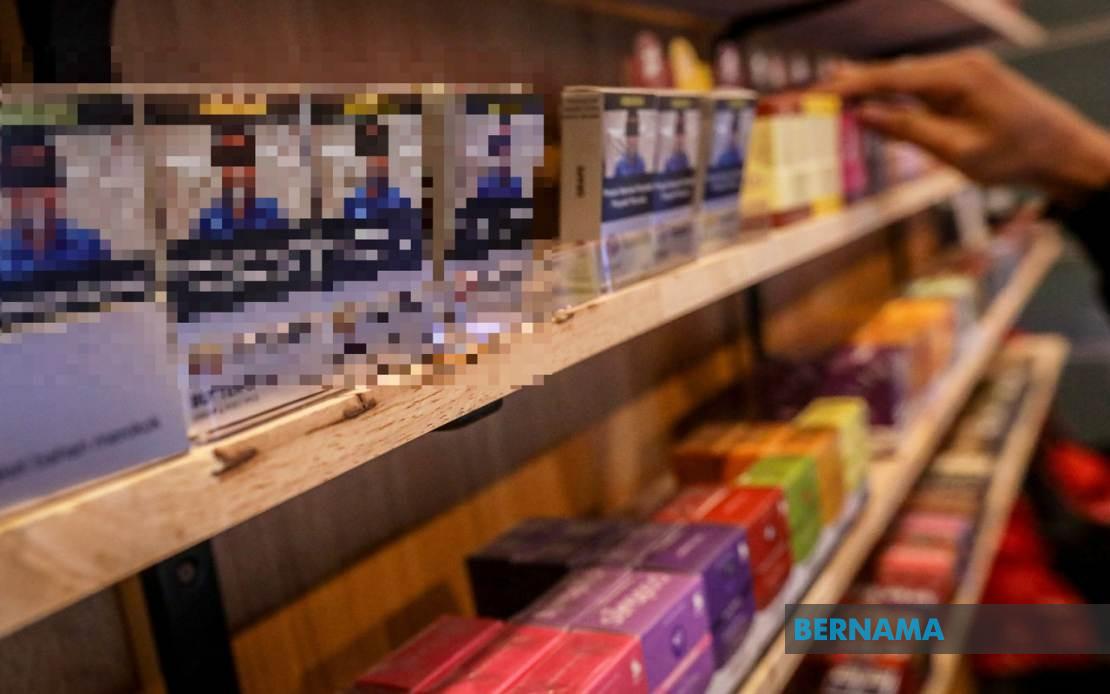
Malaysia's law enforcement agencies have intensified their crackdown on the illicit vape trade, announcing the seizure of 718.43 kilogrammes of electronic cigarette products suspected of containing prohibited substances between 2023 and mid-2024. The coordinated effort has resulted in 585 arrests spanning 400 separate cases, reflecting the scope and complexity of a problem that authorities say increasingly targets Malaysia's younger population through digital channels.
The Home Ministry's parliamentary response reveals a troubling escalation in seizure volumes in recent months. During 2023, enforcement operations recovered 471.50kg of contaminated vape products, leading to 66 arrests across 32 cases. The following year showed a dramatic shift in enforcement intensity if not in seizure quantity, with just 62.68kg seized but 114 arrests made across 92 cases, suggesting authorities were focusing on disrupting distribution networks rather than merely confiscating inventory.
However, the most recent figures paint a concerning picture of expanding supply. In 2025 alone, authorities seized 115.22kg involving 138 arrests across 108 cases. The figures become more striking when examining the current year's data through May, which shows 69.03kg seized accompanied by 267 arrests across 168 cases. This apparent explosion in arrests relative to product volume suggests either intensified enforcement operations or a significant fragmentation of the distribution network into smaller, more numerous cells.
The substances detected in these vape products represent a serious public health and narcotics concern. Authorities have identified synthetic drugs, tetrahydrocannabinol (THC), mushroom extract, and various psychoactive compounds integrated into vaping devices and cartridges. These formulations exploit the relative discretion of vape devices compared to traditional smoking methods, making them particularly attractive to distributors seeking to evade detection while targeting young consumers unfamiliar with drug identification.
The distribution methodology has evolved to exploit modern commerce. The Home Ministry specifically highlighted that these contaminated products are being marketed through online platforms, social media, and courier services, creating enforcement challenges that transcend traditional street-level drug interdiction. The logistics networks for vape delivery often overlap with legitimate e-commerce infrastructure, complicating the task of identifying criminal activity and distinguishing between lawful vape retailers and illicit drug distributors operating under similar guises.
Operasi Khas Vape 1.0, conducted in April, provided a snapshot of enforcement capabilities when concentrated on specific premises. Inspections of 1,670 locations identified 728 violations, resulting in the seizure of 8,091 vape devices, 5,257 cartridges, and 205.764kg of vape substances and liquids valued at RM4.59 million. Within this haul, 19.67kg of substances suspected of containing drugs carried a valuation of RM2.9 million, indicating that the drug-laced segment commands premium pricing in illicit markets, likely reflecting higher perceived potency and desirability among consumers.
The Royal Malaysia Police and other enforcement bodies are pursuing an integrated operational strategy that extends beyond conventional narcotics enforcement. Entertainment venues, vape kiosks, synthetic drug laboratories, and locations identified as youth congregation points have become primary surveillance and inspection targets. This geographical and situational focus reflects an understanding that the vape-drug nexus operates within specific ecosystems where demand concentration and minimal oversight create operational opportunities for distributors.
Beyond interdiction, the Home Ministry has committed to expanding intelligence and cyber capabilities. Enhanced forensic and laboratory analytical capacities are being deployed to expedite substance identification and support prosecutions. Simultaneously, cyber surveillance and intelligence gathering operations target online marketplaces and social media channels where transactions and recruitment occur, acknowledging that modern drug distribution requires digital-age enforcement responses.
Educational and preventive initiatives form a complementary strand of the government's approach. Drug prevention programmes, public awareness campaigns, and targeted education directed at school students and young people aim to reduce demand and increase recognition of risks associated with contaminated vaping products. This public health messaging component recognises that enforcement alone cannot address consumption patterns without simultaneously addressing the appeal and perceived low-risk status of these products among adolescents.
For Malaysia's regional position, this enforcement activity underscores how transnational drug trafficking networks have adapted to exploit emerging consumption technologies and e-commerce channels. The seizure patterns and arrest trajectories suggest a market in expansion and transition, where criminal entrepreneurs are experimenting with new distribution channels and product formulations faster than regulatory and enforcement frameworks can respond. The high valuation of drug-laced vape products indicates profitable markets willing to absorb the risks and costs of enforcement evasion.
The challenge facing Malaysian policymakers extends beyond immediate enforcement operations. The integration of prohibited substances into vaping devices represents a fundamental adaptation by drug traffickers to consumption preferences among younger demographics. As vaping has normalised the inhalation of aerosol-based substances, distributors have capitalised on this cultural acceptance to introduce narcotic and psychoactive compounds in formats that appear superficially legitimate and entail minimal visual or olfactory markers of illegality.
The Home Ministry's stated commitment to a firm and comprehensive approach suggests recognition that compartmentalised responses prove insufficient. Coordination between police, customs, health authorities, and digital platform providers will determine whether enforcement can maintain pace with innovation in the illicit market. For Malaysian youth and their parents, the data underscores the necessity of awareness regarding the distinction between regulated vaping products and contaminated variants distributed through informal channels, a distinction that remains poorly understood in communities where these products circulate.

