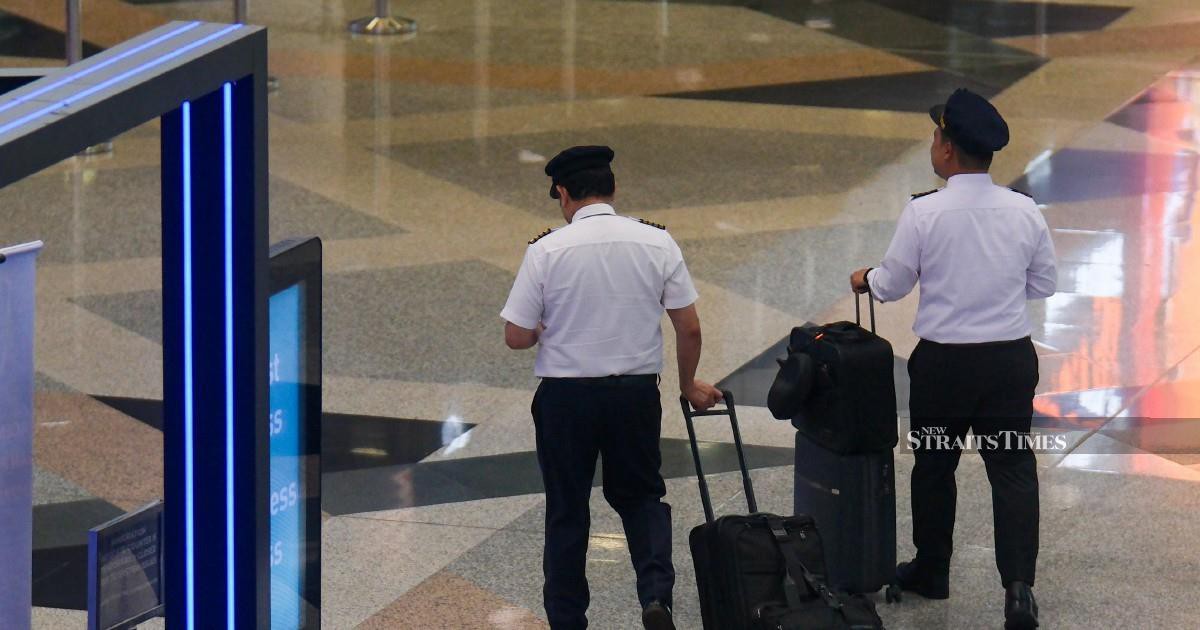
Malaysia Corruption Watch (MCW) has shifted the spotlight away from jurisdictional finger-pointing to demand a comprehensive examination of security vulnerabilities at Kuala Lumpur International Airport, following the arrest of a pilot discovered with drugs after crossing into Indonesia. The watchdog's intervention reflects growing concern that internal accountability battles between government bodies may overshadow systemic gaps that could threaten the nation's reputation as a safe transit hub and undermine public confidence in aviation security protocols.
The incident, which came to light when Indonesian authorities apprehended the pilot, has triggered questions about how contraband materials could escape detection at one of Southeast Asia's busiest airports. Rather than allowing the investigation to devolve into bureaucratic turf wars over which agency bears responsibility, MCW argues that authorities must treat this as a symptom of deeper institutional weaknesses demanding urgent remedial action. This perspective carries particular weight given Malaysia's position as a regional aviation gateway, where security standards directly influence international passenger trust and investment in the country's transport infrastructure.
MCW's stance reflects a recognised pattern in Malaysian governance where high-profile incidents frequently generate organisational conflict rather than substantive systemic reform. Security agencies, airport operators, and enforcement bodies can become preoccupied with defending their jurisdictions and allocating blame rather than collaborating to identify and rectify the procedural failures that enabled the security breach in the first place. This defensive posturing ultimately leaves the underlying vulnerabilities unaddressed, creating conditions for similar incidents to recur and potentially causing greater reputational damage.
The timing of MCW's intervention is significant given Malaysia's efforts to strengthen its standing as a reliable international aviation hub. KLIA handles millions of passengers annually and serves as a crucial connecting point for regional and intercontinental travel. Any perception that the airport's security systems are porous could influence airline routing decisions, affect passenger confidence, and damage Malaysia's competitive positioning against rival hubs in Singapore, Bangkok, and Jakarta. The pilot's case thus carries implications that extend well beyond the individual arrested, touching on economic dimensions of national security.
Investigators will likely need to examine multiple vectors where security protocols may have failed. This could include screening procedures at departure gates, baggage handling systems, staff access controls, intelligence sharing mechanisms between agencies, or gaps in the chain of custody for restricted materials. A thorough security audit should map exactly where in KLIA's operations the drugs evaded detection, whether detection systems functioned properly, and whether personnel training was adequate. Such granular analysis serves a different purpose than determining which official should be held accountable—it generates actionable intelligence for prevention.
MCW's framing also acknowledges that individual officials or departments cannot be expected to maintain perfect security through willpower alone. Institutional failures typically result from inadequate resources, outdated technology, insufficient coordination, unclear protocols, or systemic gaps rather than from personal misconduct. While corruption or deliberate negligence cannot be ruled out, focusing exclusively on individual culpability risks missing the institutional reforms that would prevent future breaches. This distinction matters enormously for Malaysia's ability to learn from the incident and strengthen its defences.
The call for a security-focused investigation rather than an agency-focused one demands that investigators work backwards from the breach itself. Where exactly did screening fail? Were detection technologies functioning correctly? Did staff follow standard procedures? Were there gaps between KLIA's responsibility and other stakeholders' obligations? Was there adequate communication between different security functions? A comprehensive audit would create a detailed map of vulnerabilities that could then be systematically addressed through policy changes, technological upgrades, training enhancements, or structural reorganisation.
Internationally, such an approach aligns with best practices in aviation security management. When breaches occur at major airports globally, authorities typically launch thorough institutional reviews rather than limiting themselves to identifying individual wrongdoers. These reviews often surface surprising vulnerabilities that would never be discovered through conventional disciplinary inquiries. Malaysia stands to benefit from adopting this evidence-based methodology, particularly given competition from other regional airports to maintain and enhance their security credentials.
MCW's intervention also carries implications for how Malaysia manages other sensitive security incidents in future. By establishing a precedent that investigative focus should rest on systemic weaknesses rather than inter-agency blame allocation, the watchdog is encouraging a more constructive approach to governance challenges. This mindset shift—from punishment-centred to prevention-centred investigation—could yield dividends across multiple security domains beyond aviation.
The ultimate test will be whether relevant authorities embrace MCW's recommendation or allow the investigation to devolve into the familiar pattern of institutional conflict. KLIA operates under the purview of Malaysia Airports Holdings Berhad and is subject to oversight by multiple federal agencies. Their willingness to collaborate in a transparent, comprehensive security review will signal whether Malaysia is genuinely committed to closing the gaps that this incident has exposed. For international observers monitoring Malaysia's governance standards, the response to MCW's call will carry significant weight.

