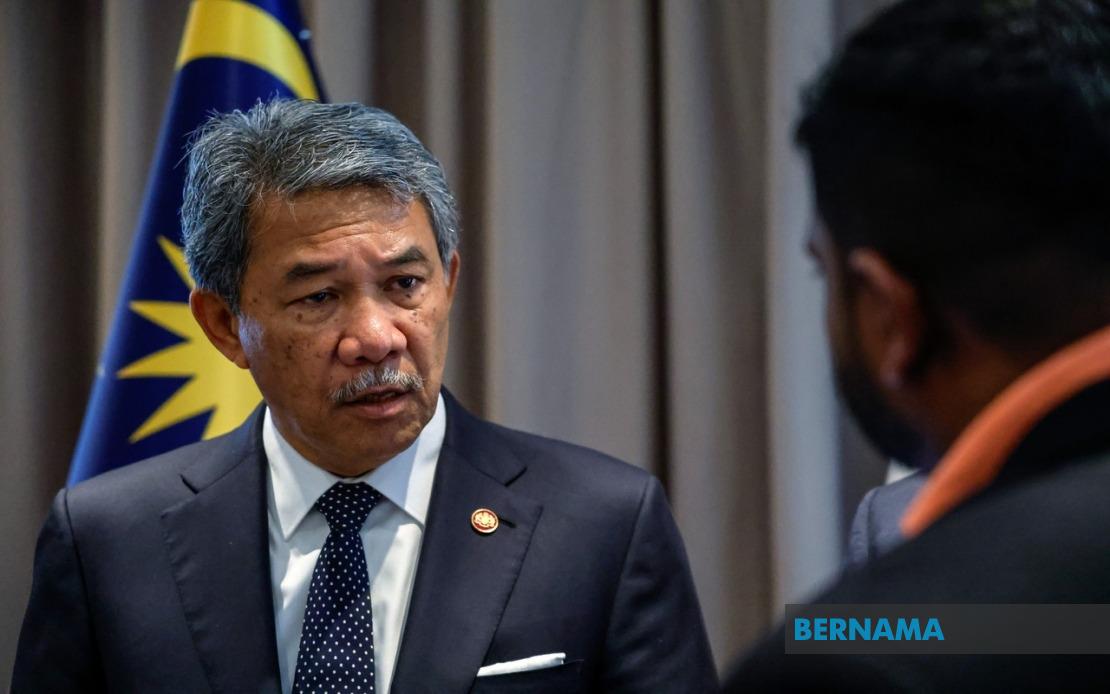
Malaysia and the Philippines have committed to expediting the repatriation of more than 5,000 undocumented Philippine nationals held in four immigration detention facilities across Sabah, following high-level talks in Manila. The agreement emerged from the 9th Malaysia-Philippines Joint Commission Meeting, where officials acknowledged that the detention centres have reached capacity and require urgent intervention to process and return the detainees to their home country.
Foreign Minister Datuk Seri Mohamad Hasan disclosed that preliminary screening efforts by the Philippine Embassy in Kuala Lumpur have already identified over 1,000 individuals who meet the criteria for immediate deportation. This figure represents a significant portion of those awaiting repatriation and reflects the progress made in verification processes to date. Malaysia has expressed its expectation that the Philippine government will act decisively to retrieve its citizens through available maritime routes and alternative transportation methods, recognising the operational strain that prolonged detention places on both nations' resources.
The repatriation challenge underscores a broader regional migration issue affecting Sabah, which has historically served as a transit point and destination for workers from neighbouring countries seeking employment opportunities. The accumulation of undocumented migrants in detention facilities reflects the complexities of managing irregular migration flows across Southeast Asia, where economic disparities and cross-border movement patterns create persistent pressures. For Malaysia, the detention centres represent both a humanitarian concern and an administrative burden, necessitating coordinated action with origin countries to manage the situation sustainably.
Beyond the immediate repatriation agenda, the two nations recognised the pressing need to address the educational circumstances of migrant children in Sabah. Malaysia has agreed to conduct a comprehensive assessment regarding access to schooling for offspring of undocumented migrants during the period before their families' return to the Philippines. This dimension of the discussion reflects growing international awareness that children caught in migration scenarios require continuity of learning opportunities, regardless of their legal status. The commitment to study educational provisions demonstrates a humanitarian dimension to migration management that extends beyond simple deportation procedures.
Malaysia has stipulated that any educational initiatives must operate under direct Philippine government administration to ensure quality control and prevent the emergence of unregulated private institutions. Foreign Minister Mohamad emphasised that Malaysia does not wish to see informal or unmonitored schools established to accommodate migrant populations, as such arrangements often lack proper oversight and may create secondary exploitation vulnerabilities. This position reflects broader concerns about ensuring that services for vulnerable populations, particularly children, meet established standards and are subject to governmental accountability.
The detention capacity crisis in Sabah's immigration facilities carries implications for Malaysia's broader immigration enforcement framework. The accumulation of detainees signals either increased apprehensions of undocumented migrants or delays in the repatriation process itself, both of which warrant attention from policymakers. For Malaysia's immigration authorities, the situation presents an operational challenge that could affect their capacity to manage new cases and enforce migration regulations effectively. Addressing the backlog becomes essential for maintaining the functionality of the detention system and ensuring resources remain available for ongoing enforcement activities.
From the Philippine perspective, the repatriation process involves mobilising resources to receive and reintegrate citizens who have spent time in detention abroad. The involvement of Philippine authorities in screening processes and the commitment to swift repatriation indicate Manila's recognition of its responsibilities toward nationals in foreign detention facilities. This cooperative approach contrasts with instances where origin countries have been reluctant to accept deported nationals, demonstrating a pragmatic bilateral approach to managing migration consequences.
During the Joint Commission Meeting, Foreign Minister Mohamad addressed the historical Sabah sovereignty claim, noting that this contentious issue did not form part of direct discussions during the formal bilateral engagement. His intervention appears designed to preempt escalation following recent political statements in the Philippines, where Senator Robin Padilla had called for reviving territorial claims over Sabah. Mohamad reiterated Malaysia's position that Sabah's status as Malaysian territory enjoys international legal recognition through United Nations processes and processes, emphasising that the matter should not remain a point of bilateral dispute affecting cooperation on practical issues.
The reference to UN recognition addresses a sensitive historical element in Malaysia-Philippines relations. The Sabah claim has periodically resurface in Philippine domestic politics, occasionally disrupting bilateral engagement. By invoking international legal frameworks and UN recognition, Malaysia seeks to establish that the matter is settled under international law, leaving no legitimate basis for territorial reclamation. This diplomatic strategy aims to compartmentalise the sovereignty question and prevent it from derailing cooperation on contemporary challenges such as migration management, maritime security, and trade relations.
The repatriation initiative reflects broader Southeast Asian efforts to address irregular migration through bilateral coordination mechanisms. Malaysia hosts significant migrant populations from multiple origin countries, and managing this phenomenon requires sustained diplomatic engagement with labour-sending nations. The Philippines represents one of the largest sources of documented and undocumented migrants in Malaysian employment and informal economic sectors. Enhanced repatriation mechanisms serve Malaysia's interests in demonstrating immigration control effectiveness while also addressing humanitarian concerns about detention conditions and family separation.
The Joint Commission framework demonstrates how institutional mechanisms can facilitate problem-solving between nations despite underlying political tensions. By maintaining regular bilateral engagement and establishing dedicated channels for discussing practical issues, Malaysia and the Philippines have created space for constructive dialogue on migration matters that affect both populations. This approach acknowledges that managing cross-border population movements requires sustained institutional cooperation rather than ad hoc interventions.
Looking forward, the success of the accelerated repatriation programme will depend on Manila's capacity to mobilise transportation resources and receiving-end infrastructure. The identification of over 1,000 immediate candidates for deportation represents a concrete first phase, but the remaining 4,000 detainees will require continued screening and processing. Sustained momentum in repatriation efforts will require both nations to allocate resources and maintain political commitment despite competing domestic priorities. For Malaysian authorities, demonstrating effective management of the backlog will reinforce public confidence in immigration enforcement, while for the Philippines, honouring its repatriation obligations will demonstrate government accountability toward its citizens abroad.

