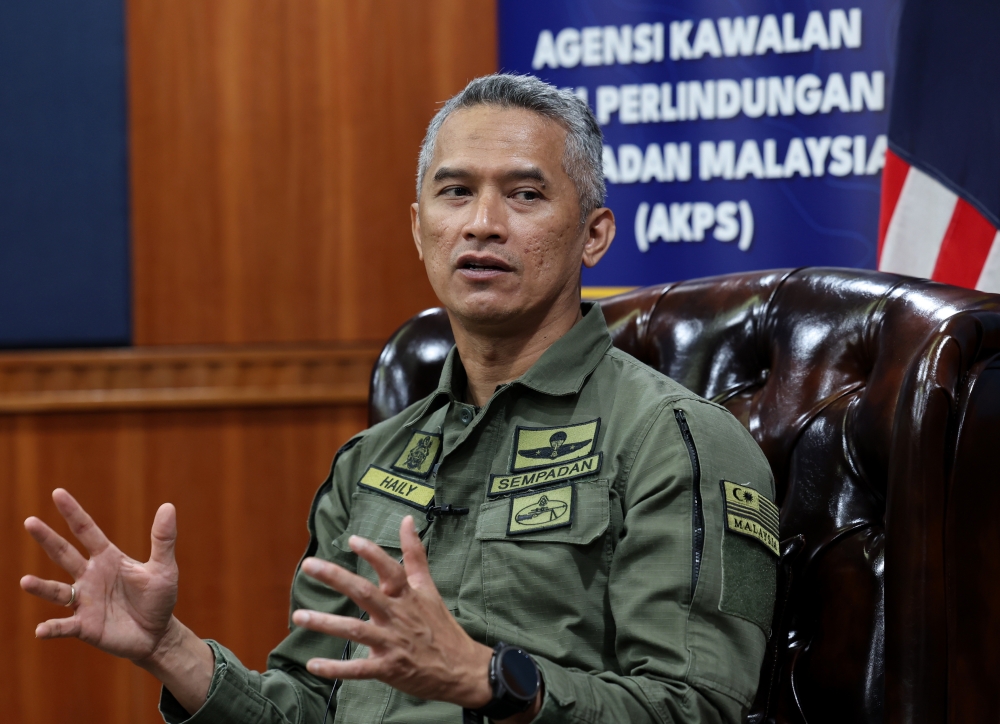
Malaysian border and security authorities are conducting an urgent review of their screening protocols after a Malaysia Airlines pilot was apprehended with narcotics at Soekarno-Hatta International Airport in Jakarta, despite his luggage passing through Kuala Lumpur International Airport without raising suspicion. The disclosure by the border agency chief underscores growing concerns about potential gaps in baggage inspection systems at the country's primary aviation hub and has prompted questions about whether existing procedures adequately protect Malaysia's reputation in international aviation security.
The pilot's seizure in Indonesia has triggered an internal examination within Malaysian customs and immigration authorities, who are now scrutinising how baggage undergoes screening before passengers depart for international destinations. Officials emphasise that items detected by Indonesian authorities at their airport suggest the contraband either escaped detection during initial screening at KLIA or was somehow missed during the layover process. This discrepancy between the two airports' findings has raised eyebrows among aviation security specialists and policy observers who monitor cross-border enforcement coordination in Southeast Asia.
The incident occurs against a backdrop of persistent drug smuggling challenges across the region, where commercial aviation routes have historically served as conduits for trafficking networks exploiting gaps between different countries' security standards. Malaysia, as a major regional aviation hub connecting Southeast Asian, South Asian, and international routes, faces particular vulnerability to such exploitation. The KLIA facility, which processes millions of passengers and thousands of tons of cargo annually, has long been considered a critical chokepoint where security lapses could have cascading consequences across multiple jurisdictions.
Border and security agencies are now examining whether the screened baggage contained the substances later discovered, or whether items were added during transit through intermediate points. This distinction carries significant implications for understanding where security controls faltered. If the drugs were present during the KLIA departure phase but escaped detection, it suggests technical or procedural deficiencies in Malaysian screening infrastructure. Conversely, if items were added subsequently, it points to vulnerabilities in how baggage is secured during layovers and ground handling operations.
The chief of the border agency has committed to a comprehensive investigation that will assess both technical capabilities and human factors involved in baggage screening. This includes reviewing whether X-ray machines and other detection equipment are functioning optimally, whether staff training protocols are current, and whether personnel fatigue or procedural shortcuts contributed to the oversight. Such multifaceted assessments are standard practice following security incidents, though they rarely attract public attention unless high-profile cases or political pressure compel transparency.
For Malaysia Airlines, the incident represents a reputational challenge during a period when the carrier has been working to rebuild public confidence and operational credibility. The airline has cooperated fully with authorities in both Malaysia and Indonesia, emphasising its commitment to safety and security standards. However, the question of how a crew member could potentially transport prohibited substances raises uncomfortable questions about internal vetting and crew management protocols, areas where international carriers face increasing scrutiny from regulators and passengers alike.
The timing of the disclosure comes as Southeast Asian governments collectively grapple with intensifying drug trafficking activities, particularly related to synthetic narcotics production and distribution networks operating across the region. Commercial aviation personnel, who enjoy certain privileges and access exemptions due to their occupational requirements, have occasionally been exploited by trafficking organisations seeking to move contraband through international borders. This vulnerability has not escaped the attention of enforcement agencies, who have stepped up monitoring of air crew movements across multiple countries.
Malaysia's border security framework has faced criticism in the past for inconsistencies in implementation and occasional gaps in inter-agency coordination, though significant investments and reforms have been undertaken in recent years. The aviation security sector, in particular, has received heightened focus following regional and global aviation security incidents. Equipment upgrades and training initiatives have improved detection capabilities, yet this latest case suggests that vulnerabilities remain or that human judgment failures can undermine even well-resourced security systems.
The investigation will likely include consultation with Indonesian authorities to understand precisely what was detected and how it was identified, potentially revealing information about detection methodology and timing that could inform Malaysian screening procedures. Bilateral cooperation on aviation security matters represents a cornerstone of regional aviation safety frameworks, with both countries benefiting from transparent information sharing about incidents and systemic weaknesses that emerge during operations.
Looking forward, the case may precipitate broader policy discussions about crew vetting procedures, baggage handling chain-of-custody protocols, and whether existing international standards for aviation security adequately address the specific vulnerabilities created by crew member privileges. Malaysia's aviation authorities may also face pressure to demonstrate tangible improvements in screening procedures, potentially leading to enhanced training, upgraded equipment, or procedural modifications that add processing time but offer greater assurance of detection.
The incident serves as a timely reminder that even well-established infrastructure and procedures require constant monitoring and refinement to remain effective against evolving smuggling tactics. As the region continues to position itself as a premier aviation hub connecting global markets, maintaining robust security standards becomes increasingly central to competitive positioning and operational legitimacy. The coming weeks will reveal whether Malaysian authorities can move swiftly to address identified gaps while restoring confidence in KLIA's security architecture.

