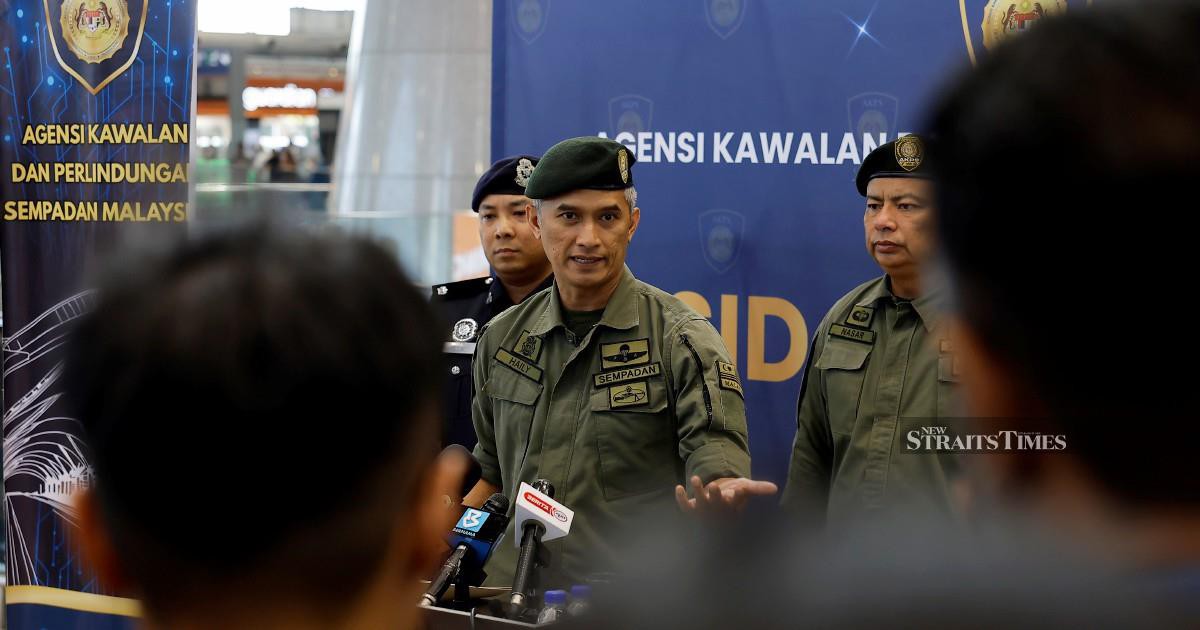
A Malaysia Airlines pilot arrested last week in Indonesia while carrying 70,000 ecstasy pills had his baggage cleared by the aviation security division, not the Malaysia Border Control and Protection Agency, according to comments from a senior government official. The distinction marks an important clarification in the operational responsibilities between different agencies handling pre-departure security at Malaysia's international airports, and underscores the complex network of oversight involved in passenger and cargo screening procedures.
The revelation came as authorities and aviation officials sought to determine how such a significant drug haul managed to pass through Malaysia's screening protocols. The incident has raised questions about baggage inspection procedures at the airport and the division of labour between multiple security organisations. Understanding which agency conducted the screening provides crucial context for evaluating security gaps and potential improvements to detection systems.
AVSEC, the aviation security component within airport operations, maintains responsibility for baggage screening at departure points under different regulatory frameworks than those governing the Malaysia Border Control and Protection Agency. The two organisations operate under distinct mandates and organisational structures, though they coordinate efforts to maintain comprehensive security coverage. This separation of responsibilities, while intended to create layered security, can sometimes create ambiguity about accountability when incidents occur.
The pilot's arrest in Indonesia last week represented a significant embarrassment for Malaysia's aviation sector and raised immediate concerns about screening effectiveness. The discovery of such a substantial quantity of controlled substances suggests that either detection equipment failed to identify the pills, or screening protocols were not properly executed. The involvement of a Malaysia Airlines flight crew member added another troubling dimension, raising questions about vetting procedures for airline staff with access to aircraft and passenger areas.
The clarification from the government official appears designed to distinguish aviation security procedures from broader border protection mechanisms, though the distinction may offer little comfort to passengers or policymakers concerned about overall airport security. Both agencies operate within Malaysia's broader security architecture, and failures in either domain can have serious consequences. The incident highlights the need for effective coordination and communication between different security bodies operating within airport environments.
Malaysia's aviation security framework has long been scrutinised internationally, particularly following high-profile incidents involving Malaysian carriers. The country has invested significantly in modernising airport infrastructure and security systems in recent years, but the successful smuggling of such a large drug shipment suggests vulnerabilities remain. Regional concerns about drug trafficking through Southeast Asian airports have intensified, with authorities across the region working to strengthen detection and interdiction efforts.
The specific role of AVSEC in this incident warrants detailed examination of their screening procedures, equipment calibration, and staff training protocols. Aviation security divisions across the region operate sophisticated baggage scanning systems capable of detecting concealed items, yet their effectiveness depends heavily on proper maintenance, regular staff training, and consistent application of procedures. Any weaknesses in these areas could explain how the contraband passed through screening.
Indonesian authorities now hold the pilot in custody, with investigations ongoing into how the drugs were acquired, transported, and intended to be distributed. This cross-border dimension adds complexity to the case and highlights the importance of regional cooperation in combating drug trafficking networks. Intelligence sharing between Malaysian and Indonesian authorities will likely prove crucial in understanding the broader context of the smuggling operation.
The incident carries broader implications for Malaysia's aviation industry and international reputation. Airlines depend on robust security screening to maintain passenger confidence and comply with international aviation standards. A Malaysia Airlines crew member's involvement in drug smuggling raises questions about staff vetting procedures and internal controls within the carrier, separate from airport security concerns.
Government officials and airport operators will face pressure to implement additional measures or technological upgrades to prevent similar incidents. Enhanced scanning systems, more frequent staff training, and improved inter-agency communication represent potential responses. However, no security system can achieve perfect detection rates, and determined smugglers continuously adapt their methods to circumvent existing protocols.
The clarification regarding AVSEC's role in baggage screening provides operational clarity but does not resolve underlying questions about why detection systems failed. Comprehensive investigations by Malaysian authorities will need to examine equipment functionality, staff performance during the screening, and whether standard procedures were followed. Public confidence in airport security depends on transparent accountability and demonstrated improvements following such incidents.

