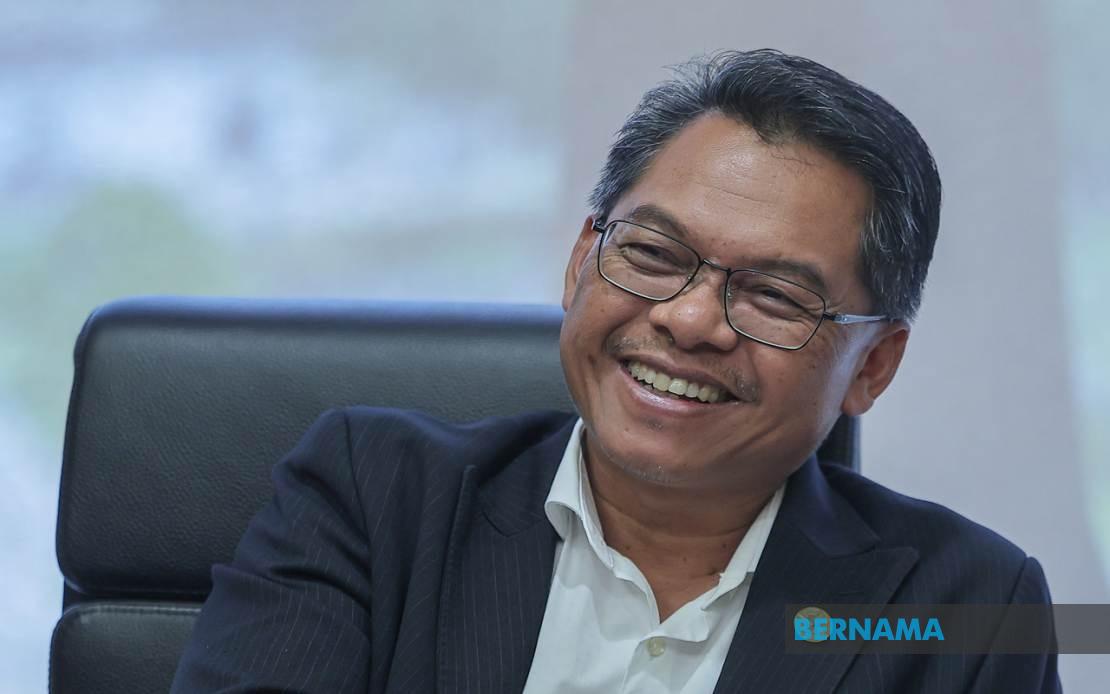
Malaysia's push to fully implement the Malaysia Agreement 1963 has gained momentum, with the Technical Committee under the MA63 Implementation Action Council issuing fresh directives to government ministries and agencies to tackle outstanding matters without delay. The August 3 meeting, chaired by Minister in the Prime Minister's Department (Sabah and Sarawak) Datuk Mustapha Sakmud, marks another significant step in the federal administration's effort to honour commitments made to the East Malaysian states more than six decades after the nation's formation.
The timing of this committee action reflects growing political will to translate MA63 commitments into tangible outcomes before Prime Minister Datuk Seri Anwar Ibrahim convenes the higher-level MTPMA63 council next month. Committee members reviewed implementation progress and identified bottlenecks that require urgent ministerial attention. This structured approach—moving from technical committees to prime ministerial oversight—signals a determined effort to break through bureaucratic inertia that has historically delayed MA63-related reforms in both Sabah and Sarawak.
Three key policy areas dominated the committee's agenda, reflecting the substance of Malaysia's federalist framework. The Borneonisation of the public service addresses long-standing concerns about representation in the civil service, where East Malaysian professionals have reportedly felt marginalised in recruitment and advancement. Paralleling this reform is an initiative to equalise healthcare service provision, recognising that medical facilities and specialist services in Sabah and Sarawak have lagged behind Peninsular Malaysia. Education sector strengthening, the third pillar, speaks to disparities in school infrastructure, teaching quality, and tertiary opportunities across regions.
Mustapha emphasised that consensus-building through working committees has demonstrated effectiveness, attributing progress to mutual trust between federal and state administrations. This rhetorical framing is significant: it signals a departure from confrontational federalism, positioning East Malaysian governments as partners rather than subordinates in national governance. The minister's stress on collaboration based on mutual respect suggests a deliberate effort to rebrand MA63 implementation as a cooperative venture, which may help sustain momentum across different political administrations.
Two concrete achievements underscore this narrative of forward movement. Sabah's Special Grant under Article 112D of the Federal Constitution has increased to RM1.5 billion, representing additional resources earmarked for East Malaysian development. While the precise annual increment remains unstated, the doubling of visible allocations signals federal recognition of fiscal imbalances. Equally symbolic was the July 21 transfer of Bintulu Port to Sarawak's control—a sovereignty matter that addresses a long-standing dispute over natural resource management and provincial autonomy. Port administration carries strategic importance for timber exports and petroleum logistics, making this handover substantive rather than ceremonial.
For Malaysian readers, particularly those in Sabah and Sarawak, these developments carry immediate practical implications. Increased health and education funding directly affects service quality in states where geographic dispersal makes service provision costly. Civil service Borneonisation opens career pathways for East Malaysian professionals and reduces brain drain to Peninsular Malaysia. Port devolution strengthens Sarawak's capacity to manage its economic interests independently.
Regionally, Malaysia's prioritisation of MA63 has broader ramifications. The agreement fundamentally structures Malaysia as a federation that respects subnational powers, distinguishing it from more centralised neighbours. Demonstrating commitment to these constitutional arrangements strengthens Malaysia's democratic credentials and federal framework at a time when questions about centre-state power distribution periodically surface in Southeast Asian democracies. For other federal systems in the region, Malaysia's approach offers lessons in managing historical agreements through sustained, structured dialogue rather than ad-hoc negotiation.
The MADANI Government's framing of these achievements as both fulfilling previous commitments and evolving dynamically suggests an interpretation of MA63 not as a static historical document but as a living framework adaptable to contemporary circumstances. This interpretive approach could facilitate future reforms while maintaining the agreement's core protections for East Malaysian interests. However, it also raises questions about the pace of change and whether committees adequately represent grassroots concerns in Sabah and Sarawak, or whether they function primarily as elite consensus-building forums.
Successful implementation of MA63 commitments requires sustained bureaucratic commitment beyond committee meetings. The directive for ministries to prioritise outstanding issues will test institutional capacity and political will across multiple government departments. Implementation timelines, resource allocation mechanisms, and accountability frameworks will ultimately determine whether these committee decisions translate into measurable improvements in public service diversity, healthcare accessibility, educational outcomes, and provincial autonomy.
The August gathering exemplifies how constitutional agreements can remain operationally relevant when political leadership commits resources and attention. For Malaysia, such commitment carries weight beyond Sabah and Sarawak, reinforcing the federal principle that legitimate governance requires honouring agreements with constituent parts. The path forward depends on whether momentum continues through the Prime Minister's council meeting and translates into departmental action that reaches communities in both East Malaysian states.

