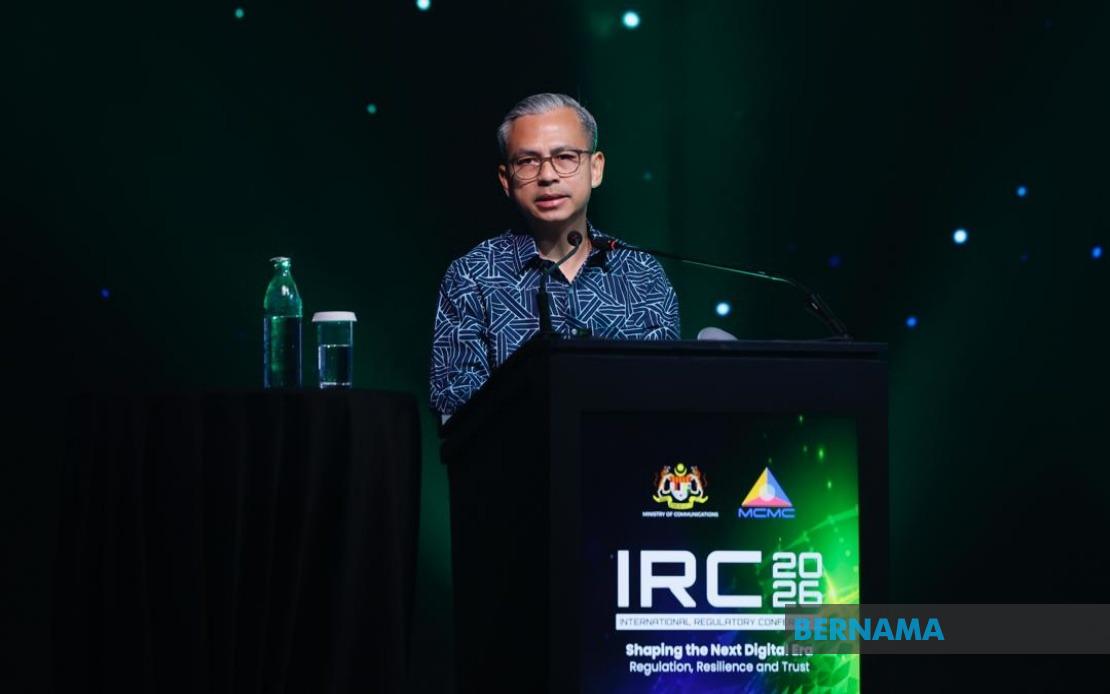
Communications Minister Datuk Seri Fahmi Fadzil has announced Malaysia's commitment to developing a robust digital governance framework that prioritises security and public confidence without compromising technological advancement. Speaking at the International Regulators Conference 2026 in Kuala Lumpur, Fahmi outlined how the country is navigating the complex intersection of innovation, regulation and consumer protection in an increasingly digital society.
The minister's remarks underscore a fundamental tension facing governments across Southeast Asia: the need to encourage digital economic growth while simultaneously protecting citizens from online harms and data misuse. Malaysia's approach centres on several interconnected initiatives designed to create a more trustworthy digital environment. The National Digital Network Plan (Jendela) provides a comprehensive infrastructure roadmap, while the nation-wide 5G deployment expands connectivity and economic opportunities. Complementing these investments, Malaysia has also prioritised submarine cable infrastructure to strengthen regional digital resilience and reduce dependence on single connectivity routes.
Among the most significant recent developments is the implementation of the Online Safety Act 2025 (ONSA), which represents a philosophical shift in how the country addresses digital threats. Rather than taking a purely reactive stance—investigating and responding to online harms after they occur—the legislation aims to prevent such incidents through stronger accountability mechanisms for digital platforms. This preventative approach is particularly important for protecting children and vulnerable populations who may lack the digital literacy to recognise threats or manipulative content.
Fahmi highlighted a critical observation that resonates throughout the developing world: regulatory frameworks have consistently lagged behind technological innovation. Policymakers and legislators often struggle to anticipate the implications of new technologies, resulting in laws that become outdated within months of implementation. This regulatory gap creates opportunities for misuse and leaves citizens with inadequate protections. Malaysia is attempting to address this challenge by designing governance systems that are sufficiently flexible to adapt as circumstances evolve, while maintaining proportionality that does not unnecessarily burden innovation or impose excessive compliance costs on industry participants.
The International Regulators Conference 2026, now in its third year, has become an important platform for Malaysia to position itself as a thought leader in digital policy within the Asia-Pacific region and beyond. The conference brings together regulators, technology industry representatives, policymakers and academic experts to deliberate on emerging challenges affecting the global digital ecosystem. This year's agenda encompasses several critical areas including artificial intelligence governance, data protection frameworks, quantum communications infrastructure, autonomous systems regulation and the broader question of how regulatory philosophies must evolve in coming years.
Malaysia's particular contribution to these international discussions stems from its distinctive experience with the 5G rollout. The country's transition from a Single Wholesale Network model to a Dual Network arrangement for 5G deployment has attracted considerable international attention from regulators seeking to understand alternative regulatory approaches. This model allows multiple operators to provide 5G services through different infrastructure arrangements, creating competition while managing the technical and security complexities inherent in national telecommunications networks. The willingness of international regulators to study Malaysia's experience reflects growing recognition that Southeast Asian countries are not merely importing regulatory models from Western nations but developing contextually appropriate solutions.
Fahmi emphasised the importance of cross-border regulatory dialogue in addressing online harms that do not respect national boundaries. Digital threats including misinformation campaigns, cybercrime, child exploitation and data breaches often originate from or target multiple jurisdictions simultaneously. A single nation's regulatory framework, no matter how sophisticated, cannot adequately protect its citizens without cooperation from other countries. Malaysia is advocating for greater harmonisation of digital governance principles and practical cooperation mechanisms through international bodies including the International Telecommunication Union (ITU), of which Malaysia serves as a Council Member.
The conference discussions are expected to generate concrete policy recommendations that extend beyond Malaysia's borders. Fahmi has indicated that outcomes from the International Regulators Conference will be shared with the ITU and other relevant international bodies, potentially influencing digital governance approaches across multiple countries. This represents a significant opportunity for Malaysia to influence global standards in an area where Southeast Asian perspectives have traditionally been underrepresented in international policymaking forums.
The broader context for Malaysia's digital governance agenda is the region's rapid digitalisation. Southeast Asia has emerged as one of the world's fastest-growing digital economies, with internet penetration rates climbing steadily and digital transactions becoming normalised across business and consumer sectors. This growth brings substantial economic benefits but also concentrates risks. Cybersecurity breaches, data privacy violations and platform-facilitated harms have real consequences for Malaysian citizens and businesses. The challenge for policymakers is creating an environment where innovation flourishes but where citizens and businesses can engage confidently without excessive fear of victimisation.
The Online Safety Act 2025 represents Malaysia's most direct intervention in addressing platform accountability. By establishing clearer expectations for how digital platforms must moderate content, protect user data and cooperate with law enforcement, the legislation aims to reduce the information vacuum that bad actors exploit. However, implementation will be crucial. Regulators must ensure the law is applied consistently and proportionately, avoiding the pitfall of overreach that could suppress legitimate speech or innovation. The involvement of the Malaysian Communications and Multimedia Commission (MCMC) in the International Regulators Conference indicates that implementation of ONSA will be informed by best practices and experiences from other jurisdictions.
Looking forward, the integration of emerging technologies into Malaysia's digital governance framework presents both opportunities and challenges. Artificial intelligence applications promise substantial productivity gains and improved service delivery but raise questions about algorithmic bias, accountability and transparency. Quantum communications technology could revolutionise cybersecurity but requires new regulatory thinking about encryption and privacy. Autonomous systems from self-driving vehicles to industrial robots require clear liability and safety frameworks. Malaysia's participation in international discussions on these topics positions the country to adopt forward-thinking approaches rather than scrambling to regulate after problems emerge.
The success of Malaysia's digital governance strategy ultimately depends on public confidence. Citizens must believe that their personal data is protected, that platforms are held accountable for facilitating harm, and that their government is actively working to manage digital risks. This requires not only robust legislation and capable regulators but also transparent communication about how the system works and what protections exist. The International Regulators Conference serves as a visible demonstration of Malaysia's commitment to these principles and its engagement with global best practices in digital governance.

