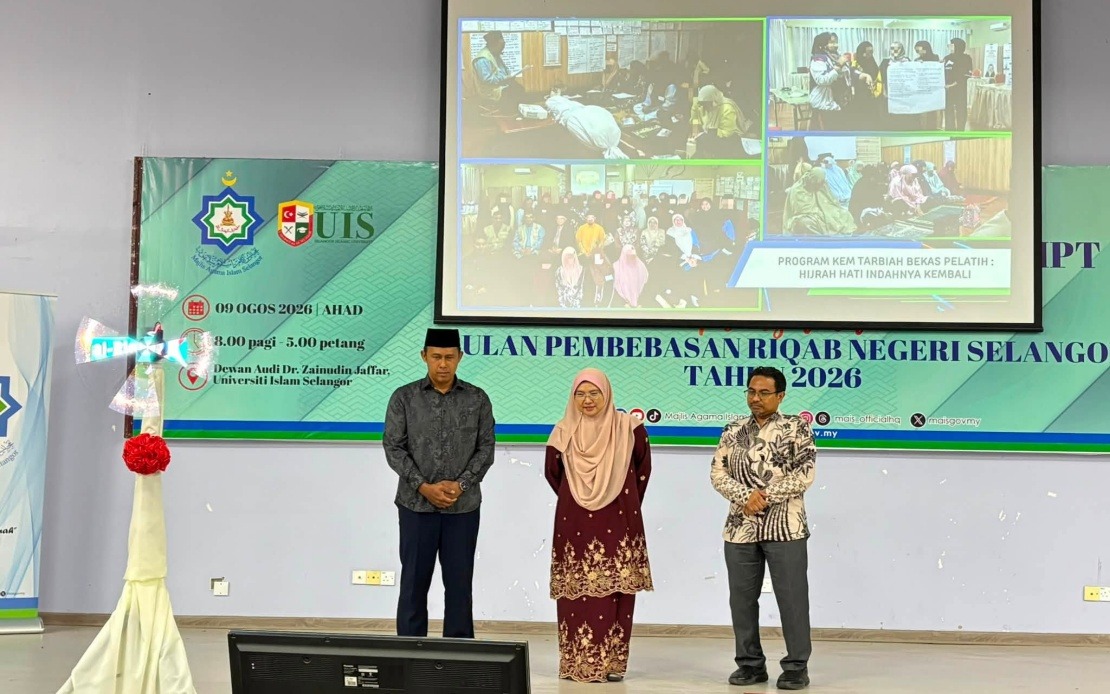
The Selangor Islamic Religious Council (MAIS) has invested substantially in addressing the needs of vulnerable community members, distributing more than RM17 million in zakat funds throughout the previous year to reach 13,945 individuals classified as asnaf riqab. This significant financial commitment reflects growing institutional recognition that social rehabilitation requires sustained, multi-faceted intervention combining financial support with professional guidance and community engagement.
The definition of asnaf riqab, established through a 2012 fatwa, encompasses individuals confronting various social and faith-related difficulties. The category includes those battling substance dependency, individuals navigating issues related to sexual orientation and gender identity, and Muslims who have distanced themselves from religious observance. By framing these challenges through a unified welfare lens, MAIS acknowledges that effective support requires holistic approaches transcending traditional categorisations.
MAIS structured its assistance through multiple channels designed to address both immediate and long-term needs. The council operates three dedicated rehabilitation homes alongside 24 riqab rehabilitation facilities throughout Selangor, creating a network of support infrastructure. Beyond residential facilities, the organisation supports individuals through rehabilitation grants, structured courses, vocational training programmes, and professional counselling services. This diversified approach recognises that different individuals require tailored interventions suited to their specific circumstances and recovery trajectories.
The scale of ongoing efforts demonstrates institutional commitment extending well into the current year. Between January and June alone, MAIS assisted 1,656 asnaf riqab individuals using RM4.1 million in zakat allocations, suggesting the council is maintaining substantial spending momentum. The mid-year figure, when extrapolated, indicates annual expenditure tracking towards or exceeding the previous year's commitment, signalling that addressing this community's needs remains a budgetary priority despite competing demands on religious charitable resources.
A particularly notable development has been MAIS's investment in human resources dedicated to individual support. The council has appointed 213 Al Riqab guides tasked with providing one-to-one mentorship and spiritual direction. These guides function as both counsellors and community connectors, assisting individuals in reorienting their lives toward stability and religious observance. The employment of trained guides reflects sophisticated understanding that recovery and reintegration require sustained personal relationships built on trust and consistent engagement rather than purely institutional provision.
To amplify public engagement and destigmatise those seeking assistance, MAIS launched the Riqab Liberation Month Campaign 2026, running throughout August. The campaign represents a strategic pivot toward preventative awareness-raising and community mobilisation. By designating a full month for focused programming, MAIS signals that these issues warrant sustained attention and deserve public conversation rather than remaining marginalised topics discussed only within institutional settings.
The campaign programming itself reflects sophisticated community engagement design. Scheduled activities include dedicated forums examining riqab-related concerns, informational seminars addressing both social and spiritual dimensions, structured guidance programmes, public information counters providing accessible entry points for those seeking assistance, and a collaborative Ihtifal Amal Islami event bringing together stakeholders from multiple rehabilitation homes. This layered approach acknowledges that different community segments require different engagement pathways—some may respond to intellectual forums, others to direct counselling access, and still others to peer-based programming.
For Malaysian policymakers and civil society observers, the MAIS initiative offers instructive lessons about faith-based welfare provision. Rather than treating zakat exclusively as poverty relief or traditional charity, MAIS has established that Islamic obligatory giving can address contemporary social challenges spanning addiction, mental health, sexual orientation discrimination, and spiritual alienation. This expansion of zakat application demonstrates how traditional charitable frameworks can adapt to contemporary needs without abandoning core principles.
The programme carries particular significance for Selangor, Malaysia's most urbanised and economically dynamic state. Rapid urbanisation frequently correlates with intensified social pressures, increased substance accessibility, and greater visibility of non-traditional sexual identities and gender expressions. By proactively deploying substantial resources toward supporting affected individuals, MAIS acknowledges these realities and refuses the default posture of condemnation in favour of constructive intervention.
Southeast Asian Islamic organisations elsewhere may observe this model with interest as they grapple with similar social phenomena. Thailand's Islamic foundations, Indonesia's provincial Islamic councils, and Singapore's Islamic institutions all confront parallel challenges involving substance dependency, identity issues, and faith alienation among Muslim populations. The MAIS approach—combining significant financial investment, professional staffing, residential facilities, and community awareness campaigns—provides a replicable template for comprehensive institutional response.
The initiative's effectiveness ultimately depends on execution quality and whether supported individuals achieve durable reintegration and spiritual recommitment. Public accessibility to information about outcomes and programme performance would strengthen community confidence and potentially encourage additional voluntary contributions to support expansion. Transparency regarding recovery rates, employment outcomes, and sustained faith engagement metrics would demonstrate accountability and justify continued resource allocation.
Moving forward, MAIS faces the challenge of sustaining momentum while addressing emerging needs. The organisation's demonstrated willingness to engage difficult topics and deploy significant resources suggests institutional leadership committed to practical compassion over rhetorical condemnation. Whether this model gains traction among other Malaysian Islamic authorities and whether it influences broader national conversations about marginalised populations will significantly shape social welfare discourse in coming years.

