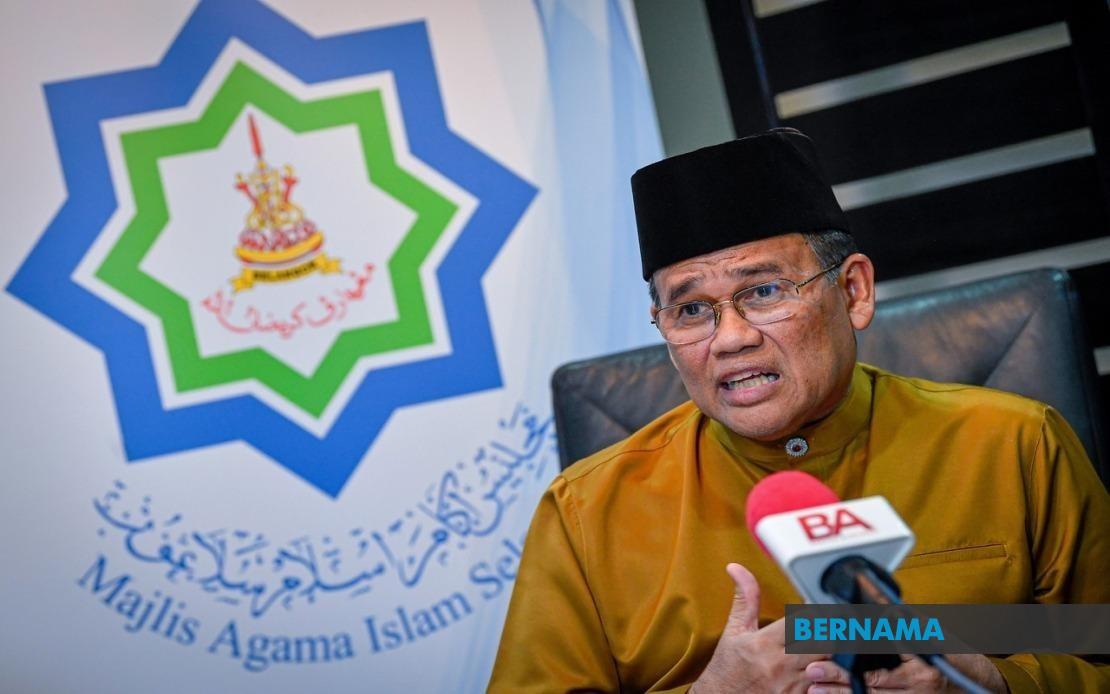
The Selangor Islamic Religious Council (MAIS) has convened an emergency gathering to untangle a contentious situation involving delayed funeral arrangements at a major Muslim burial ground in the state's outskirts. The meeting will bring together grieving relatives, administrators at Masjid Nurul Hidayah in Kampung Pandan Dalam, representatives of the Salatulrahim Welfare Organisation (BKS), and officials from the Selangor Islamic Religious Department (JAIS) to address the circumstances surrounding the alleged postponement of burial services at the Ukay Perdana Muslim Cemetery in Hulu Kelang.
MAIS chairman Datuk Salehuddin Saidin framed the intervention as essential damage control, emphasising that resolving the dispute swiftly whilst preventing recurrence takes priority. The council expressed heartfelt sympathies to the bereaved family, acknowledging the profound distress experienced during an already agonising period. The statement underscores recognition of the emotional toll such administrative failures inflict on grieving households during vulnerable moments.
The gravity of potential misconduct—whether rooted in criminal negligence, administrative error, or communication breakdown between involved institutions—has prompted MAIS to pledge decisive action once police investigations conclude. Salehuddin signalled that accountability will follow the investigative findings, sending a clear message that any party culpable would face consequences commensurate with their degree of responsibility. This commitment to transparency addresses public anxiety about whether powerful religious institutions might shield problematic actors from oversight.
The institutional complexity of the situation extends beyond a single party's failure. Police reports have been filed separately by the mosque's management, the deceased's family, and the BKS, suggesting that multiple stakeholders view each other with suspicion or blame. MAIS has reviewed preliminary investigative conclusions released by JAIS director Datuk Mohd Shahzihan Ahmad, which drew on information supplied by mosque officials. This procedural layering reflects the intricate web of religious, administrative, and community structures governing Islamic funeral practices in Malaysia.
For Malaysian readers, the incident illuminates longstanding tensions within the country's Islamic institutional framework. Muslim burial customs demand strict observance of specific timeframes and rituals; delays can cause profound spiritual and emotional distress to families who believe hasty, respectful internment fulfils both religious duty and familial honour. When the very institutions mandated to oversee these sacred processes encounter failures, public confidence erodes and broader questions surface about institutional competence.
MAIS has signalled a systemic audit of funeral and burial management protocols overseen by mosque administrations across Selangor. This prospective review acknowledges that isolated incidents may reflect broader weaknesses in operational frameworks, staff training, or inter-institutional coordination. The council's pledge to identify improvement areas suggests recognition that reactive crisis management is insufficient; proactive institutional reform addressing efficiency, transparency, and compliance with Islamic law requires structured attention.
The council's appeal to the Muslim community to preserve unity and brotherhood (ukhuwah) whilst the matter unfolds carries particular weight in Malaysia's religiously conscious society. By explicitly advising against factional polarisation or hostile division over disagreement, MAIS recognises that high-profile failures within Islamic institutions can fuel communal suspicion and fracture. This measured tone attempts to depoliticise what might otherwise become a flashpoint for communal grievance or institutional criticism.
For Southeast Asian observers, the incident reflects broader challenges facing Islamic governance structures across the region. As Muslim-majority societies navigate modernisation, urbanisation, and institutional formalisation, traditional funeral practices encounter bureaucratic complexity and organisational fragmentation. Administrative failures at such sensitive junctures test the region's capacity to integrate Islamic law, professional management standards, and communal expectations.
The involvement of JAIS—Selangor's religious department—signals that state-level religious authorities are engaging seriously rather than deferring to mosque-level discretion alone. This multi-tiered institutional response reflects Malaysia's constitutional arrangement, whereby Islam remains a state rather than federal matter, creating layered governance structures. Police involvement introduces secular investigative mechanisms into a domain traditionally governed through religious and community frameworks, illustrating how modern Malaysia blends multiple regulatory systems.
The Salatulrahim Welfare Organisation's participation indicates that funeral administration in contemporary Malaysia often involves civil society entities beyond formal religious bodies. This pluralisation of responsibility complicates accountability but also reflects genuine efforts to professionalise and formalise processes once handled through informal community networks. Whether such organisational proliferation clarifies or obscures responsibility remains contentious.
Ukay Perdana cemetery's prominence as a major burial ground serving diverse Muslim communities across Selangor magnifies the incident's implications. A single operational failure at such a facility affects hundreds of families annually and shapes public perception of institutional reliability. The stakes extend beyond individual grief to collective confidence in regional Islamic infrastructure.
MAIS's assurance of appropriate action, transparency, and systemic improvement attempts to restore institutional credibility. However, implementation will determine whether this emergency convocation marks a genuine turning point or merely a performative response to public pressure. Malaysian Muslims and broader Southeast Asian observers will monitor whether the promised reforms translate into demonstrable changes in funeral administration practices, staff accountability, and inter-institutional coordination mechanisms.

