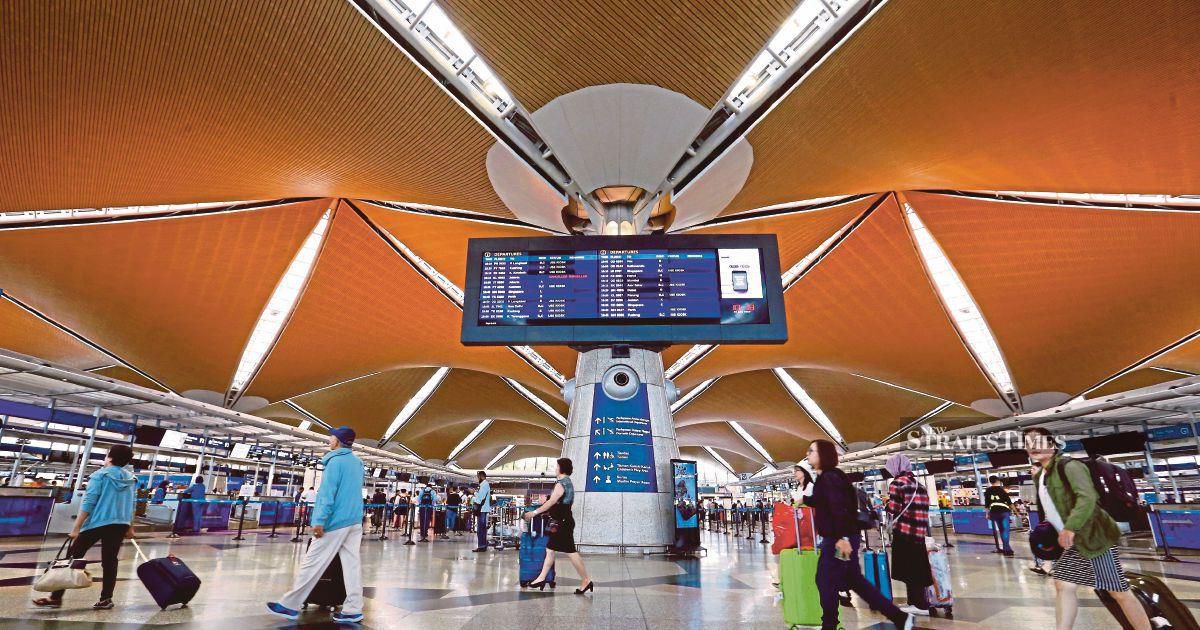
Malaysia Airports Holdings Bhd (MAHB) acknowledged a technical malfunction that disrupted baggage operations at Terminal 1 of Kuala Lumpur International Airport (KLIA) on Wednesday, with the system returning to normal functionality by 5.30pm. The incident, which unfolded during peak travel periods, underscored both the complexity of managing one of Southeast Asia's busiest aviation hubs and the critical infrastructure challenges that modern airports must navigate.
Terminal 1 remains the primary gateway for countless passengers daily, handling a substantial portion of KLIA's domestic and international movements. The baggage handling infrastructure supporting this terminal represents one of the most sophisticated logistics systems in the region, designed to process thousands of bags hourly across multiple airlines and flight operations. When such systems experience disruption, even for several hours, the ripple effects extend far beyond the airport itself, affecting connecting passengers, airline schedules, and ground operations across multiple carriers.
The nature of the technical issue was not immediately detailed by MAHB, though baggage system failures typically stem from mechanical malfunctions, software glitches, or power supply interruptions within the automated sorting and conveyor networks. Modern airports like KLIA depend on integrated digital systems that coordinate luggage movement from check-in counters through sorting facilities to aircraft loaders. Any component failure within this chain can trigger cascading delays, particularly during congested periods when the system operates at or near maximum capacity.
MAHB's swift confirmation of the problem and its relatively rapid resolution demonstrated the airport authority's commitment to transparency during operational disruptions. By publicly acknowledging the issue and providing a specific resolution time, the authority helped manage passenger expectations and reduced confusion among travellers who may have experienced delays or been diverted to alternative procedures. Such communication protocols have become increasingly important as social media amplifies traveller frustrations and shapes public perception of airport performance.
The timing of the incident during afternoon hours meant that multiple flight waves were affected, potentially impacting hundreds of passengers across numerous services. Airlines operating from KLIA's Terminal 1, including Malaysia Airlines and several other carriers, would have needed to implement contingency measures to manage check-ins and baggage processing manually or through backup systems. Ground staff likely worked extended hours to clear accumulated luggage backlogs and ensure that delayed bags reached their intended destinations.
For Malaysian travellers and the tourism industry, incidents like these highlight the importance of maintaining world-class airport infrastructure. KLIA competes with regional hubs like Singapore's Changi Airport and Bangkok's Suvarnabhumi Airport for passenger traffic and cargo business. Frequent operational disruptions, even when resolved quickly, can erode confidence among business travellers and influence airline routing decisions. This reality underscores why MAHB continues investing in system upgrades, redundancy mechanisms, and preventive maintenance programmes.
The baggage handling system at KLIA Terminal 1 represents a multi-million ringgit investment in automation and connectivity. Like all complex infrastructure, such systems require continuous monitoring, regular servicing, and periodic upgrades to maintain peak performance. The incident on Wednesday likely triggered internal reviews at MAHB to identify root causes and implement corrective actions that prevent recurrence. These investigations typically involve detailed forensic analysis of system logs, hardware diagnostics, and procedural assessments.
From a passenger perspective, disruptions to baggage systems rank among the most frustrating airport experiences, as they delay departures and create anxiety about whether luggage will arrive at intended destinations. Unlike flight delays, which are typically communicated clearly, baggage issues can remain opaque to travellers. MAHB's practice of providing specific timelines for resolution helps mitigate this communication gap and demonstrates professionalism in crisis management.
Looking forward, the incident serves as a reminder that even well-maintained infrastructure can experience unexpected failures. MAHB's challenge lies in balancing cost-effective operations with the capital investments necessary for system redundancy and modern technology upgrades. As Malaysia positions itself as a regional aviation and logistics hub, maintaining reliable ground infrastructure becomes as critical as runway capacity and flight operations management.
The swift resolution of Wednesday's baggage system issue reflected MAHB's operational readiness and the dedication of technical teams working behind the scenes at KLIA. However, it also underscores the dependency that modern air transport places on automated systems and the importance of maintaining comprehensive contingency protocols. For frequent travellers and airlines, such incidents are stark reminders of why airport infrastructure reliability directly influences travel experience and airline profitability in an increasingly competitive regional marketplace.

