Malaysia Airports Holdings Bhd has restated its dedication to working alongside law enforcement to prevent illegal activities at the nation's gateways, responding to the recent arrest of a Malaysian airline pilot caught attempting to smuggle narcotics into Indonesia. The incident has prompted fresh scrutiny of security procedures at Kuala Lumpur International Airport and highlighted the ongoing challenge of drug trafficking through aviation channels in the region.
On July 29, Indonesian authorities detained the 39-year-old pilot upon arrival, discovering approximately 70,114 ecstasy pills and four grammes of methamphetamine in his possession. The seizure, valued at roughly Rp60 billion, has exposed what investigators believe may be part of a larger international trafficking network. Indonesian officials indicated the suspect had potentially made multiple smuggling runs and may be connected to organised crime syndicates operating across Southeast Asia.
MAHB's response underscores the complex division of responsibilities governing airport security in Malaysia. While the airport operator's Aviation Security team focuses on preventing threats to aviation safety—including detection of explosives, weapons and items that directly endanger aircraft and passengers—the actual enforcement against drug trafficking falls to other agencies. This demarcation is crucial for understanding how borders are policed in Malaysia's aviation sector, where multiple organisations must coordinate seamlessly to close vulnerabilities.
The Royal Malaysia Police and Royal Malaysia Customs Department shoulder primary responsibility for interdicting illegal substances, including narcotics, contraband and controlled items. The Department of Wildlife and National Parks separately addresses wildlife trafficking. Each agency operates under distinct legal frameworks and enforcement mandates, though they share common infrastructure and passenger streams at KLIA. This multi-layered approach reflects how Malaysia tackles diverse illicit activities simultaneously within airport environments.
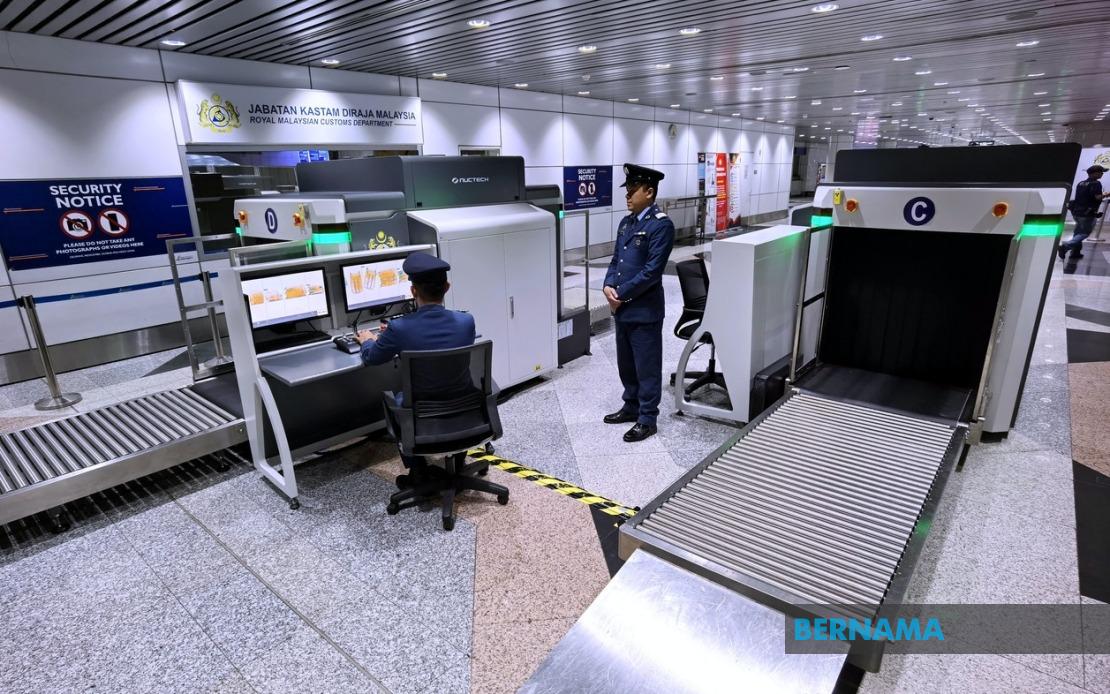
Security protocols at KLIA include advanced baggage screening systems designed to identify dangerous materials before aircraft departure. All checked luggage—whether belonging to passengers or airline crew members—undergoes aviation security scanning in accordance with established international requirements. The systems are calibrated specifically for aviation threats rather than general contraband, explaining why drug detection may occur through different mechanisms than explosives screening.
The cooperation between MAHB and PDRM has already demonstrated measurable results. Between January and July of this year, the aviation security team at KLIA worked with police to intercept more than thirty attempted smuggling operations involving illegal substances. These interceptions suggest that existing systems are functioning, though the success of this pilot case in evading detection at KLIA raises questions about consistency and emerging loopholes that international trafficking networks may exploit.
The Civil Aviation Authority of Malaysia has initiated its own investigation to determine whether aviation security procedures were properly implemented throughout the incident. Datuk Capt Norazman Mahmud, the authority's chief executive, indicated that regulators would assess both the airline's compliance with security protocols and KLIA's screening effectiveness from a governance perspective. This regulatory review complements law enforcement investigations and may lead to procedural adjustments if weaknesses are identified.
For Malaysian aviation stakeholders, the case illustrates persistent vulnerabilities within the region's transport networks. Southeast Asia's position as a global transshipment hub for narcotics makes its airports attractive targets for trafficking syndicates. Pilots, with legitimate access to cargo systems and crew areas, represent a particularly concerning risk category. Their training, credentials and routine movements can provide cover for illicit activity if individuals are compromised through debt, coercion or ideological recruitment by criminal organisations.
The incident also highlights how individual crew members' criminal behaviour can damage the reputation of legitimate airlines and entire aviation sectors. Indonesian investigators' indication that the suspect may have smuggled drugs on previous occasions raises uncomfortable questions about whether this represents an isolated case or reflects systemic recruitment of aviation professionals by trafficking networks. If organised crime is systematically targeting Malaysian and regional airline staff, the problem extends beyond airport security into workforce vetting and airline internal controls.
MAHB's emphasis on information sharing with enforcement agencies signals recognition that technology and screening alone cannot defeat sophisticated trafficking operations. Coordinated intelligence gathering, cross-agency communication and proactive investigation of suspicious patterns are equally essential. The airport operator's willingness to assist authorities with investigation and evidence supports a broader ecosystem approach where commercial operators actively contribute to law enforcement rather than viewing security as purely a regulatory compliance burden.
Regional implications are significant. As air cargo and crew movements expand throughout Southeast Asia, criminal networks are likely adapting their tactics accordingly. Malaysia's enforcement success in interdicting thirty smuggling attempts this year may force traffickers to exploit perceived weaker points in neighbouring countries' systems or develop new concealment methods. Effective regional cooperation, including intelligence sharing with Indonesian, Thai and Singaporean authorities, becomes increasingly critical for containing drug flows.
The case underscores that border security requires constant vigilance and adjustment as threats evolve. MAHB's reaffirmation of commitment represents both genuine operational necessity and institutional accountability in response to a significant failure. Whether the pilot's arrest in Indonesia rather than at KLIA represents a success for downstream detection or a concerning gap in Malaysia's own screening procedures will likely inform policy discussions within aviation security circles for months to come.
Moving forward, the outcomes of both the regulatory investigation by CAAM and the criminal enquiries by Indonesian authorities will determine whether procedural refinements are warranted at KLIA or across Malaysian carriers. For passengers, these behind-the-scenes security adjustments occur invisibly, yet they remain fundamental to maintaining the confidence and integrity of Malaysia's aviation sector in an increasingly complex security environment.

